
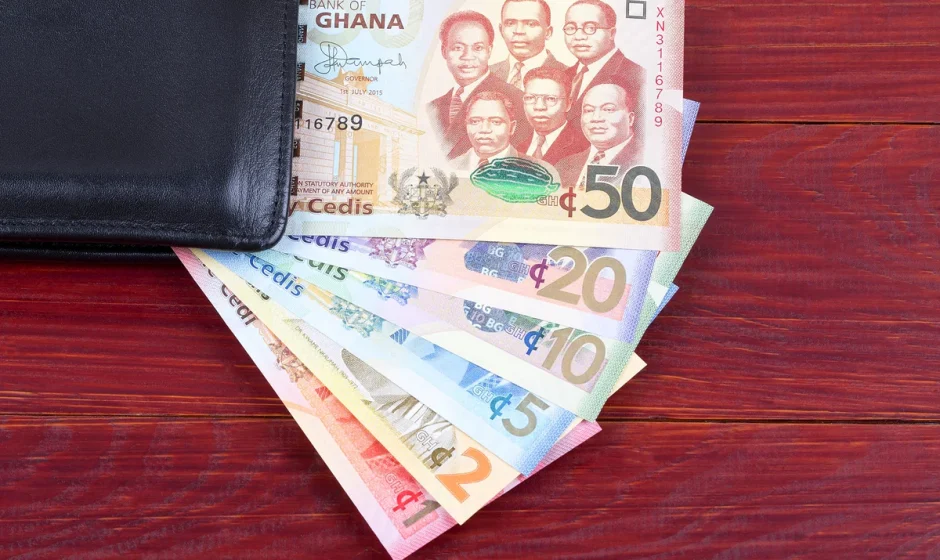

Ghana’s National Daily Minimum Wage will increase to GH¢25.04 from January 1, 2027, followed by another increase to GH¢28.79 from January 1, 2028. The two-year wage agreement was reached by the National Tripartite Committee following negotiations involving government, employers and organised labour.
The current 2026 minimum wage is GH¢21.77 per day. That means the 2027 increase adds GH¢3.27 per working day, while the 2028 increase adds another GH¢3.75. Based on the stated figures, each adjustment is approximately 15%, with the 2028 rate about 32.2% higher than the current 2026 rate.
For workers and employers, however, the daily figure is only part of the story. Ghana’s minimum wage interacts with hours of work, employment contracts, overtime arrangements and enforcement under the Labour Act, 2003 (Act 651). A worker’s actual monthly earnings will also depend on the number of paid working days and the terms of employment.
This guide explains Ghana’s 2027 and 2028 minimum wage rates, practical weekly and monthly equivalents, who is generally covered, how overtime works, what employers need to change and what workers can do if they believe they are being paid below the legal minimum.
Table of Contents
- Ghana Minimum Wage Rates for 2027 and 2028
- How Much Is the Increase?
- What Is the Monthly Minimum Wage?
- USD, GBP and CNY Equivalents
- Who Does the Minimum Wage Apply To?
- Normal Working Hours in Ghana
- How Overtime Works
- What Employers Must Do
- What If You Are Paid Below Minimum Wage?
- Is the Minimum Wage Tax-Free?
- Could the Rates Change?
Ghana Minimum Wage Rates for 2027 and 2028
The National Tripartite Committee agreed to a two-year minimum wage framework on November 10, 2026. The arrangement is intended to give workers and employers greater certainty by setting the minimum daily wage for both 2027 and 2028 in advance.
| Year | National Daily Minimum Wage | Effective Date | Increase From Previous Year |
|---|---|---|---|
| 2026 | GH¢21.77 | January 1, 2026 | Current rate |
| 2027 | GH¢25.04 | January 1, 2027 | About 15% |
| 2028 | GH¢28.79 | January 1, 2028 | About 15% |
Employers, institutions and organisations currently paying covered workers below the new rate have been directed to adjust their wages when the GH¢25.04 rate takes effect on January 1, 2027. The 2028 rate automatically follows from January 1, 2028 unless the Tripartite Committee later reconvenes and agrees to a revision.
How Much Is Ghana’s Minimum Wage Increasing?
The increase from GH¢21.77 to GH¢25.04 is GH¢3.27 per day. That works out to approximately 15.0%.
The increase from GH¢25.04 in 2027 to GH¢28.79 in 2028 is GH¢3.75 per day, which is also approximately 15.0%. Compared with the current 2026 rate, the 2028 wage is GH¢7.02 higher, an overall increase of approximately 32.2%.
The distinction matters because workers should use the actual announced daily wage when checking their pay rather than relying solely on a percentage quoted in a headline.
What Is Ghana’s Minimum Wage Per Week or Month?
Ghana sets a National Daily Minimum Wage, not one universal statutory monthly amount. A monthly equivalent therefore depends on how many paid working days a worker has during the month.
The following figures are practical examples created by multiplying the daily minimum wage by different numbers of paid working days. They should not be treated as a separate government-declared monthly minimum salary.
| Example | 2026 Rate GH¢21.77 |
2027 Rate GH¢25.04 |
2028 Rate GH¢28.79 |
|---|---|---|---|
| 1 working day | GH¢21.77 | GH¢25.04 | GH¢28.79 |
| 5 paid days | GH¢108.85 | GH¢125.20 | GH¢143.95 |
| 6 paid days | GH¢130.62 | GH¢150.24 | GH¢172.74 |
| 22 paid days | GH¢478.94 | GH¢550.88 | GH¢633.38 |
| 26 paid days | GH¢566.02 | GH¢651.04 | GH¢748.54 |
For example, a worker paid for 22 working days at the 2027 minimum would earn GH¢550.88 before considering any lawful additions or deductions. A worker paid for 26 days at the same daily rate would reach GH¢651.04.
Monthly salaried workers should therefore compare their employment terms, paid working days and hours with the national daily floor rather than assuming one monthly figure applies to every job.
What Is Ghana’s Minimum Wage in US Dollars, British Pounds and Chinese Yuan?
Using indicative exchange rates available on November 11, 2026, Ghana’s new daily minimum wages are approximately equivalent to the following amounts. Exchange rates change every day, so these figures are included only for international comparison.
| Year | Ghana Cedis | Approx. USD | Approx. GBP | Approx. CNY |
|---|---|---|---|---|
| 2026 | GH¢21.77 | US$1.86 | £1.39 | CN¥12.26 |
| 2027 | GH¢25.04 | US$2.14 | £1.60 | CN¥14.11 |
| 2028 | GH¢28.79 | US$2.46 | £1.84 | CN¥16.22 |
The November 11 reference rate was approximately GH¢11.68 per US dollar, while pound and yuan conversions were based on current market reference rates. Actual bank, card, remittance and foreign-exchange bureau rates can differ.
Who Sets Ghana’s Minimum Wage?
The legal authority comes from Ghana’s Labour Act, 2003 (Act 651). Section 112 establishes the National Tripartite Committee, which includes representatives of government, employers and organised labour.
Under Section 113, one of the Committee’s specific statutory functions is to determine the National Daily Minimum Wage. The Minister is then required to publish notice of the determined minimum wage in the Gazette and through public media.
The tripartite structure means the minimum wage is negotiated rather than set solely by government. Employers’ organisations and organised labour participate alongside government representatives in the process.
Who Does Ghana’s Minimum Wage Apply To?
The National Daily Minimum Wage acts as the wage floor for workers covered by Ghana’s labour-law framework. An employer may pay a worker more than the national minimum, and collective agreements, employment contracts and sector-specific arrangements can provide more favourable wages and conditions.
The Labour Act does not apply identically to every person working in Ghana. Section 1 excludes members of the Armed Forces, Police Service, Prison Service and Security and Intelligence Agencies from the general scope of Act 651. There are also specific rules affecting certain categories of employment.
Casual, temporary and other nontraditional employment arrangements should not automatically be assumed to allow an employer to ignore labour protections. Workers uncertain about whether a particular employment arrangement is covered should seek guidance from the Labour Department, National Labour Commission or a qualified Ghanaian employment lawyer.
How Many Hours Is a Normal Working Day in Ghana?
Section 33 of Ghana’s Labour Act generally sets normal working hours at a maximum of eight hours per day or 40 hours per week, except where the Act specifically provides otherwise. The law permits different scheduling arrangements in some workplaces as long as the relevant limits and averaging rules are observed.
This is important when considering the minimum wage because the daily minimum is not intended to give employers unlimited access to a worker’s time. Working additional hours may trigger overtime provisions depending on the rules of the undertaking and the employment arrangement.
Does Ghana’s Minimum Wage Include Overtime?
No. Under Section 35 of the Labour Act, hours worked beyond the hours fixed by the rules of an undertaking are generally considered overtime. The Act says a worker may not be required to work overtime unless the undertaking has established rates of pay for overtime work.
One important detail is that Ghana’s Labour Act does not itself specify one universal statutory overtime multiplier such as 1.5 times ordinary pay. The ILO has noted that Section 35 requires overtime rates to be fixed, but does not establish a statutory minimum premium. In practice, overtime rates may be established by employment contracts, workplace rules or collective agreements.
The law also provides limited exceptional circumstances in which additional work may be required without additional pay, such as certain emergencies involving threats to human life or the existence of the undertaking. These exceptions should not be treated as a general permission for routine unpaid overtime.
What Must Employers Do Before January 1, 2027?
Employers currently paying covered workers less than GH¢25.04 per day will need to adjust their wage arrangements when the new rate becomes effective. The National Tripartite Committee specifically directed establishments, institutions and organisations paying below the new minimum to make the necessary adjustment from January 1, 2027.
Employers should review payroll systems, employment contracts and pay schedules before the effective date. Companies using daily workers, casual labour or salary structures linked to the national minimum wage should pay particular attention to the change.
Businesses should also prepare for the second scheduled adjustment to GH¢28.79 from January 1, 2028. Because the agreement covers two years, employers can incorporate both increases into wage and staffing forecasts now rather than waiting for another annual negotiation.
Can an Employment Contract Pay Less Than the National Minimum Wage?
An employment contract cannot generally be used to eliminate statutory minimum employment protections that apply to the worker. Employers and employees can negotiate salaries above the minimum and can agree to more favourable conditions, but a private agreement should not be treated as permission to circumvent an applicable national wage floor.
Workers should also check the written particulars of their employment. The Labour Act’s prescribed employment particulars include the employee’s rate and method of pay, working hours and any applicable overtime payment arrangements.
What Can You Do If You Are Paid Below Ghana’s Minimum Wage?
Workers who believe they are being paid below an applicable minimum wage should first keep evidence of their employment and pay. Useful records can include employment contracts, payslips, bank or mobile-money payment records, attendance records and written communications with the employer.
Ghana’s labour inspection system is responsible for monitoring compliance with labour laws, while the National Labour Commission can receive complaints involving alleged infringements of the Labour Act. The Commission has powers to require employment information and direct employers or workers to correct irregularities.
A worker should not assume that every pay dispute is automatically a minimum-wage violation. The legal position can depend on the worker’s status, hours, contract and applicable employment rules. Where a substantial amount of unpaid wages is involved, professional legal or labour advice may be appropriate.
Is Ghana’s Minimum Wage Tax-Free?
The National Tripartite Committee has recommended that the government make the National Daily Minimum Wage tax-exempt. The wording matters because a recommendation by the Tripartite Committee is not the same thing as a completed change to Ghana’s tax legislation.
Workers should therefore rely on the Ghana Revenue Authority’s applicable tax rules and any legislation adopted by Parliament when determining their actual tax liability. The communiqué’s recommendation should not be interpreted by itself as confirmation that all earnings calculated from the new minimum wage are automatically exempt from tax.
Could the 2027 or 2028 Minimum Wage Change Again?
Yes. Although the National Tripartite Committee has agreed to a two-year framework, the Committee specifically left open the possibility of reviewing the rates if Ghana experiences material changes in important economic indicators.
Examples identified in the communiqué include inflation, exchange-rate movements and economic growth. Any revision would require additional consultations among government, employers and organised labour and would be based on economic data and consensus among the tripartite partners.
This means GH¢28.79 is currently the agreed 2028 rate, but it should not be described as legally incapable of changing before January 2028.
Will the Higher Minimum Wage Make Workers Better Off?
A higher nominal wage gives minimum-wage workers more cedis for each paid working day, but the improvement in actual purchasing power will depend heavily on inflation. If food, transportation, rent, utilities and other expenses rise rapidly, part of the wage increase can be absorbed by higher living costs.
For that reason, the minimum-wage agreement specifically allows the Tripartite Committee to reconsider the rates if major economic conditions change. Exchange-rate movements can also matter because Ghana imports many consumer and industrial goods whose prices can be affected by the value of the cedi.
The wage increase therefore provides a higher statutory floor, but it does not by itself guarantee a particular improvement in living standards.
Ghana Minimum Wage 2027: Frequently Asked Questions
What is Ghana’s minimum wage in 2027?
Ghana’s National Daily Minimum Wage will be GH¢25.04 per day from January 1, 2027.
What is Ghana’s minimum wage in 2028?
The agreed National Daily Minimum Wage for 2028 is GH¢28.79 per day, effective January 1, 2028.
What is Ghana’s minimum wage per month in 2027?
There is no single universal monthly figure because Ghana establishes a daily minimum wage. At 22 paid working days, GH¢25.04 equals GH¢550.88. At 26 paid days, it equals GH¢651.04.
How much did the minimum wage increase?
The 2027 rate is approximately 15% above the 2026 rate. The 2028 rate represents another increase of approximately 15% over 2027.
When does the new minimum wage start?
The GH¢25.04 rate begins on January 1, 2027. The GH¢28.79 rate begins on January 1, 2028 unless subsequently revised through the tripartite process.
Is overtime included in the minimum wage?
No. Overtime involves work beyond established working hours and is subject to separate workplace overtime rates and employment arrangements under Ghana’s Labour Act.
Who decides Ghana’s minimum wage?
The National Tripartite Committee determines the National Daily Minimum Wage. It includes representatives from government, employers and organised labour, as provided under the Labour Act, 2003.
Bottom Line
Ghana’s National Daily Minimum Wage will rise from GH¢21.77 in 2026 to GH¢25.04 on January 1, 2027, followed by an increase to GH¢28.79 on January 1, 2028. The two-year agreement gives workers and businesses advance notice of the wage floor for the next two years.
The increases work out to approximately 15% in each year. A worker paid for 22 days at the 2027 minimum would receive GH¢550.88 based solely on the daily rate, while 26 paid days would equal GH¢651.04. These are illustrative monthly equivalents rather than separate statutory monthly minimum wages.
Normal working hours under Ghana’s Labour Act are generally limited to eight hours per day or 40 hours per week, and overtime is treated separately. Employers currently paying below the new wage floor should review their payroll systems before January 2027, while workers who believe they are being underpaid can seek assistance through Ghana’s labour enforcement and dispute-resolution institutions.
The 2028 rate is already agreed, but the National Tripartite Committee has reserved the ability to reconsider the two-year arrangement if major changes in inflation, exchange rates or economic growth make a review necessary.
Sources
- Graphic Online: Minimum wage rises to GH¢25.04 in 2027 and GH¢28.79 in 2028, November 11, 2026
- MyJoyOnline: Government increases minimum wage to GH¢25.04 for 2027 and GH¢28.79 for 2028, November 10, 2026
- Ministry of Labour, Jobs and Employment: Labour Act, 2003 (Act 651)
- International Labour Organization NATLEX: Ghana Labour Act, 2003
- StatsGH: Ghana minimum wage calculations, November 10, 2026