

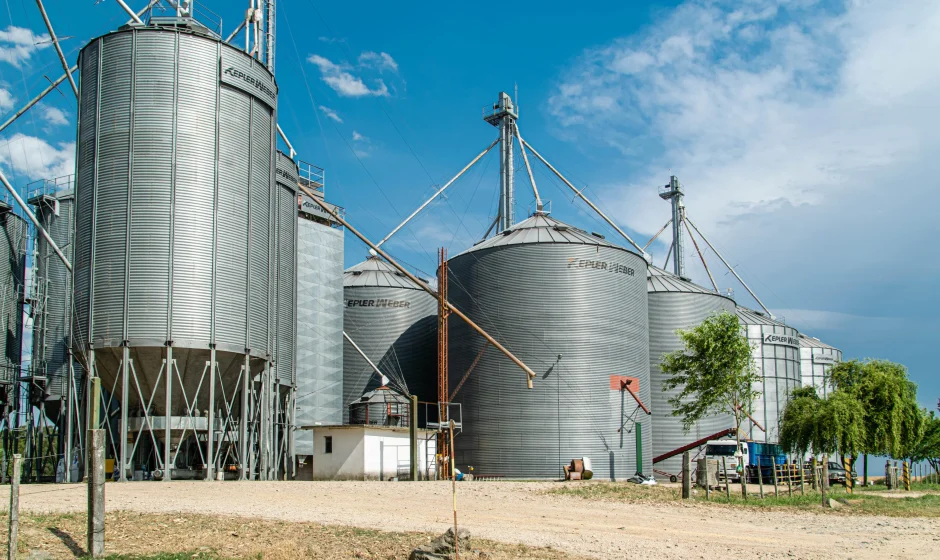

Ghana has earmarked GH¢500 million for the construction of new grain-storage silos at strategic locations across the country as the government tries to reduce post-harvest losses, stabilize food supplies and build stronger emergency reserves.
Using November 11, 2026 reference exchange rates, GH¢500 million is approximately US$42.8 million, £32.2 million or CN¥285.4 million. Exchange rates fluctuate, so those foreign-currency equivalents are approximate. The allocation is intended primarily to expand storage for crops such as maize and rice.
Agriculture Minister Eric Opoku announced the programme during the November 2026 launch of REWARD-Ghana, the country’s new rice-development initiative. The government says inadequate storage remains a major weakness in Ghana’s agricultural system because farmers can produce large harvests but still lose food or be forced to sell cheaply when there is nowhere suitable to store it.
The silo investment is therefore about more than warehouses. Ghana wants to create a system that can absorb surplus food during bumper harvests, hold emergency reserves, reduce farmer losses and release food when production is disrupted by drought, pests, floods or other emergencies.
Table of Contents
- What Is Ghana’s GH¢500 Million Silo Plan?
- Why Ghana Needs More Food Storage
- How Much Food Is Lost After Harvest?
- What Is Ghana’s Food Buffer Stock?
- The 21,000-Tonne Wa Storage Facility
- 15 to 20 Similar Facilities Nationwide
- How Silos Could Help Farmers
- Could Storage Reduce Food Price Volatility?
- Emergency Food Reserves
- El Niño and Climate Risk
- How This Connects to Ghana’s Rice Strategy
- Jobs and Business Opportunities
- What Could Go Wrong?
- What Happens Next?
What Is Ghana’s GH¢500 Million Food Storage Plan?
The government says it has earmarked GH¢500 million for the construction of silos at strategic locations around Ghana. The primary objective is to increase national storage capacity for staple crops, especially maize and rice.
The plan is designed to solve a recurring problem in Ghanaian agriculture. During a bumper harvest, farmers may produce more grain than local markets, warehouses and processors can absorb immediately. Without adequate storage, some of that food deteriorates while farmers are forced to sell the remainder quickly at depressed prices.
Government wants the new silo network to allow grain to be purchased and stored during periods of surplus, then released later when supplies are tighter or when the country faces an emergency.
Why Does Ghana Need More Food Storage?
Food security depends on more than producing enough crops at harvest time. Food must also be dried, handled, stored, transported and processed without significant losses before it reaches consumers.
Ghana’s Feed Ghana Programme identifies inadequate storage as one of the country’s major agricultural constraints. Farmers may lose part of their harvest to insects, moisture, mold, contamination, poor drying and inadequate warehouse facilities.
When storage is unavailable, farmers may also sell immediately after harvest when many other farmers are selling at the same time. That surge in supply can push farm-gate prices downward even though retail food prices may later rise when supplies tighten.
How Serious Are Post-Harvest Losses in Ghana?
The scale varies by crop, region and methodology, so there is no single post-harvest-loss percentage that accurately describes all Ghanaian agriculture. The government’s Feed Ghana Programme estimates that maize losses can range from approximately 14% to 20%, with poor drying and inadequate storage identified as major causes.
For some crops and locations, losses can be substantially higher. The same programme notes that certain post-harvest losses can reach very high levels where appropriate storage and handling systems are absent.
Recent agricultural-sector commentary has placed Ghana’s total annual post-harvest losses at around US$2 billion, although that figure is an industry estimate rather than a newly published official statistical measurement. The central point is well established: inadequate storage destroys food that farmers have already spent money, labour and time producing.
What Is Ghana’s National Food Buffer Stock?
A food buffer stock is a reserve of staple food that can be held by the state or an authorized institution and released when necessary. It can help during emergencies, shortages, supply disruptions or periods of unusually high prices.
Agriculture Minister Eric Opoku said in November 2026 that Ghana had already procured approximately 30,000 tonnes of maize as part of efforts to establish a stronger national food buffer.
The government’s stated objective is eventually to hold enough food to support the country for approximately two to three months during an emergency before external assistance becomes necessary. This does not mean Ghana currently has a complete two-to-three-month reserve in storage; it is the capacity objective government is pursuing.
Ghana Is Building a 21,000-Tonne Grain Storage Facility in Wa
A major early project in the storage expansion is a new 21,000-metric-tonne grain facility in Wa in the Upper West Region. The Ministry of Food and Agriculture signed a memorandum of understanding with DMT Collateral Management for the development in November 2026.
The facility is expected to store crops including rice and maize and support Ghana’s Feed Ghana Programme. It will also contain a dedicated emergency-reserve component described by project officials as a food-security hub or “Hospital Bin” that can hold grain specifically for national emergencies.
The Wa project is currently expected to be completed and commissioned by August 2027. Equipment and construction are supported by an export credit facility of approximately €4.8 million, with an additional investment of about US$5 million.
Ghana Is Considering 15 to 20 Similar Storage Facilities
The Wa facility is not intended to operate in isolation. Agriculture Minister Eric Opoku described it as the first phase of a broader national grain-storage programme and said government is considering approximately 15 to 20 similar facilities across Ghana.
A separate agriculture investment initiative has also discussed smart grain-buffer silos with combined capacity reaching as much as one million metric tonnes at strategic production locations. Those concepts should not yet be treated as identical to the GH¢500 million programme, because detailed project structures and financing arrangements can differ.
The most important development to watch is therefore how many sites are actually funded, contracted and constructed under the announced allocation.
How Do Grain Silos Protect Food?
A modern grain silo allows crops such as maize or rice to be stored under more controlled conditions than traditional open or poorly ventilated storage. Operators can manage moisture, pests, contamination and temperature more effectively.
Proper grain storage normally begins before food enters the silo. Grain has to be harvested at the right stage, cleaned and dried to an appropriate moisture level. Storing wet grain can create mold, spoilage and food-safety problems even inside modern infrastructure.
Storage therefore works best as part of a complete system that includes drying equipment, quality testing, trained operators, reliable electricity, maintenance and transportation.
How Could New Silos Help Ghanaian Farmers?
One of the biggest potential benefits is reducing the pressure to sell immediately after harvest. Farmers often have significant expenses due at harvest time, and without storage or a guaranteed buyer they may accept lower prices simply to avoid losing the crop.
If a functioning buffer-stock system purchases grain during periods of surplus, farmers may have a more reliable buyer. Storage can then allow the grain to enter the market gradually instead of flooding local markets at one time.
This does not guarantee higher prices for every farmer. The impact will depend on government purchasing rules, grading standards, procurement prices, transportation costs and whether small farmers can actually access the storage system.
What Is a Market Glut?
A market glut occurs when far more of a product reaches the market than buyers can absorb at the prevailing price. Agricultural gluts often occur immediately after harvest because many farmers produce and sell at roughly the same time.
Prices can fall sharply even when the crop remains valuable later in the year. In extreme cases, farmers may leave crops unsold or allow produce to spoil because transportation and marketing costs exceed what buyers are willing to pay.
The Agriculture Minister specifically cited protection against market gluts as one reason for expanding Ghana’s silo capacity.
Could Better Food Storage Reduce Prices in Ghana?
Better storage could help reduce extreme seasonal price swings, but it does not guarantee permanently cheaper food. Food prices depend on production, transportation, fuel, exchange rates, processing costs, weather and market demand as well as storage.
What storage can do is make more of an existing harvest available later in the year. Instead of losing part of a bumper crop and then facing shortages months later, Ghana could preserve more grain and release it when supply tightens.
This can improve market stability if the reserve is managed effectively. Poorly timed purchases or releases, high operating costs or political interference could reduce those benefits.
Why Ghana Wants Emergency Food Reserves
Emergency reserves provide insurance against events that interrupt normal food production or distribution. Possible disruptions include drought, floods, crop disease, pest outbreaks, regional conflict, transportation problems and international supply shocks.
Minister Eric Opoku cited the 2024 agricultural season, when fall armyworm and other disruptions affected production in parts of northern Ghana and contributed to the need for supplemental food imports.
Maintaining reserves can allow the country to respond more quickly rather than waiting until an emergency occurs before searching international markets for food.
El Niño Makes Food Storage More Important in 2026 and 2027
The storage announcement comes as Ghana prepares for a potentially very strong El Niño. The Ghana Meteorological Agency has warned that hotter temperatures, dry spells and other climate disruptions could affect agriculture during late 2026 and 2027.
The Agriculture Minister said government is monitoring the possible impact and may mobilize additional resources to purchase available maize and rice for storage in case production later falls short.
This illustrates one of the major purposes of strategic reserves: purchasing food while it is available rather than waiting until a shortage has already caused prices to rise.
How the Silo Plan Connects to Ghana’s Rice Self-Sufficiency Strategy
Ghana has also launched the US$18.8 million REWARD-Ghana programme to increase domestic rice production and move toward national rice self-sufficiency by 2028.
Producing more rice without increasing storage and milling capacity could simply move the bottleneck from farms to warehouses. Higher production requires places to dry, store, process and market the additional harvest.
The silo investment therefore complements the rice strategy. The same principle applies to maize and other grains promoted through Ghana’s broader Feed Ghana Programme.
What Role Does the National Food Buffer Stock Company Play?
Ghana’s National Food Buffer Stock Company has traditionally been involved in purchasing and managing strategic food stocks. The Agriculture Minister says one of the existing problems is that the company can have funds available to purchase food but insufficient storage capacity to hold all the produce farmers are ready to sell.
Additional silos could therefore allow the buffer-stock system to purchase larger quantities during harvest periods. The effectiveness of that model will depend on procurement transparency, storage management and timely release of stock.
New infrastructure will not solve every weakness in the system by itself. Storage facilities need professional inventory management so grain does not remain unused until it deteriorates.
Ghana Will Need Workers Trained to Operate the Silos
Modern grain-storage facilities require trained operators. The Wa project includes plans to train National Service personnel, Feed Ghana Brigadiers and Ghanaian technicians in silo operations, grain drying, quality management and maintenance.
Skills are important because storage losses can occur even in expensive infrastructure if grain moisture is not controlled or equipment is poorly maintained.
Training could also create a more specialized agricultural workforce in areas such as commodity handling, warehouse management, grain testing, equipment maintenance and inventory management.
Could the Silo Programme Create Jobs and Business Opportunities?
Yes. Construction itself can create temporary work, while operating a nationwide storage network requires permanent technical and logistics roles.
Potential opportunities include:
- Silo construction.
- Grain drying.
- Warehouse management.
- Quality testing.
- Equipment maintenance.
- Transportation and trucking.
- Commodity aggregation.
- Inventory management.
- Security.
- Cleaning and pest management.
- Rice and maize processing.
- Packaging.
The bigger economic opportunity may come from connecting storage to processing. Grain that can be stored reliably gives millers, feed producers and other manufacturers a more predictable supply of raw material throughout the year.
Government Wants Farmers Organized Into Commodity Cooperatives
The Agriculture Ministry is encouraging farmers to organize into Community Commodity-Based Cooperatives. The government argues that organized farmer groups make it easier to distribute improved seeds, provide inputs, identify production needs and connect farmers directly with buyers.
Cooperatives could also make storage systems easier for small farmers to use. A single farmer may not have enough grain to justify independent transportation to a major silo, while a group of producers can aggregate their harvest.
The effectiveness of this approach will depend on how the cooperatives are governed and whether individual farmers receive fair access to markets and payments.
What Could Prevent the GH¢500 Million Silo Programme From Working?
Building silos is only the first step. Storage infrastructure can fail to achieve its purpose if maintenance, procurement or inventory management is weak.
Major risks include:
- Construction delays.
- Insufficient drying equipment.
- Poor maintenance.
- Inadequate road access to farming areas.
- High transportation costs.
- Electricity interruptions.
- Pest infestation.
- Moisture and mold.
- Weak inventory systems.
- Delayed payments to farmers.
- Political interference in grain purchasing.
- Holding stocks too long without proper rotation.
- Building facilities far from major production zones.
A successful strategic reserve system requires both physical infrastructure and competent commodity management.
What the GH¢500 Million Announcement Does Not Mean Yet
The funding announcement is substantial, but several details remain to be finalized publicly.
It does not yet mean:
- GH¢500 million has already been spent.
- Every silo location has been publicly announced.
- All 15 to 20 possible facilities are already funded or under construction.
- Ghana currently holds a full two-to-three-month emergency food reserve.
- Post-harvest losses will immediately disappear.
- Food prices will automatically fall.
- Farmers will automatically receive higher prices.
The programme should therefore be judged by completed storage capacity, actual grain purchased and stored, reduction in losses and the performance of emergency reserves rather than the allocation alone.
How Will We Know Whether Ghana’s Storage Strategy Is Working?
The most useful measures will be practical outcomes rather than announcements. Ghana should be able to show how much new storage capacity has been constructed, how much grain is actually stored and how much post-harvest loss declines in supported production areas.
Other useful indicators include:
- Total national grain-storage capacity.
- Tonnes of maize and rice held in reserve.
- Number of operational silo locations.
- Average length of emergency food coverage.
- Post-harvest loss rates.
- Farmer prices during bumper harvests.
- Emergency reserve releases.
- Reduction in emergency food imports.
- Storage operating and maintenance costs.
These measures would show whether the system is functioning as real infrastructure rather than simply existing as constructed buildings.
What Happens Next?
The government has announced the GH¢500 million allocation, while the Wa storage facility has already advanced to the memorandum-of-understanding stage and is expected to be completed by August 2027.
Important developments to watch include:
- Publication of the 2027 Budget allocation.
- Announcement of additional silo locations.
- Construction contracts.
- Completion of the Wa 21,000-tonne facility.
- Expansion toward the proposed 15 to 20 facilities.
- Additional maize and rice purchases.
- National buffer-stock inventory levels.
- El Niño-related food purchases.
- Integration with REWARD-Ghana.
- Storage training programmes.
- Evidence of declining post-harvest losses.
Ghana Food Storage Silos: Frequently Asked Questions
How much is Ghana spending on new food-storage silos?
The government has earmarked GH¢500 million, approximately US$42.8 million, £32.2 million or CN¥285.4 million using November 11, 2026 indicative exchange rates.
What crops will be stored?
The government has specifically identified maize and rice as priority crops, although future facilities could potentially support other storable agricultural commodities.
How much maize has Ghana already purchased for reserves?
The Agriculture Minister says government has procured approximately 30,000 tonnes of maize for the national buffer stock.
Where is Ghana building a new grain silo?
A 21,000-tonne storage facility is planned for Wa in the Upper West Region and is currently targeted for completion in August 2027.
How many storage facilities could Ghana build?
The Agriculture Minister says government is considering approximately 15 to 20 similar facilities as part of a broader national expansion.
Why does Ghana need strategic food reserves?
Strategic reserves can provide food during droughts, pest outbreaks, floods, market disruptions and other emergencies while reducing the need for emergency imports.
Bottom Line
Ghana has earmarked GH¢500 million for a nationwide expansion of grain-storage silos as the government tries to reduce post-harvest losses and create a stronger strategic food reserve.
The government has already purchased about 30,000 tonnes of maize and says its longer-term goal is to maintain enough stored food to help sustain the country for two to three months during serious emergencies. That objective has not yet been fully achieved, but new storage capacity is intended to move Ghana closer to it.
A major early project is a 21,000-tonne facility in Wa scheduled for completion in August 2027. Government says the project could become the first phase of a wider network of approximately 15 to 20 similar storage facilities.
The programme is closely connected to Ghana’s Feed Ghana and rice self-sufficiency strategies. Producing more maize and rice will have limited value if the country cannot dry, store, process and market the additional harvest without major losses.
The true test will therefore not be how many silos are announced. Success will depend on how much storage capacity becomes operational, how effectively food reserves are managed, whether post-harvest losses fall and whether farmers receive better protection from the boom-and-bust cycle that often follows bumper harvests.
Sources
- Ghana News Agency: Government earmarks GH¢500 million to construct silos for food storage, November 10, 2026
- Ghana News Agency: Ghana to establish 21,000-tonne grain storage facility in Upper West, November 4, 2026
- Information Services Department: MoFA commits to Wa Grain Storage Project, November 5, 2026
- Ministry of Food and Agriculture: Feed Ghana Programme