

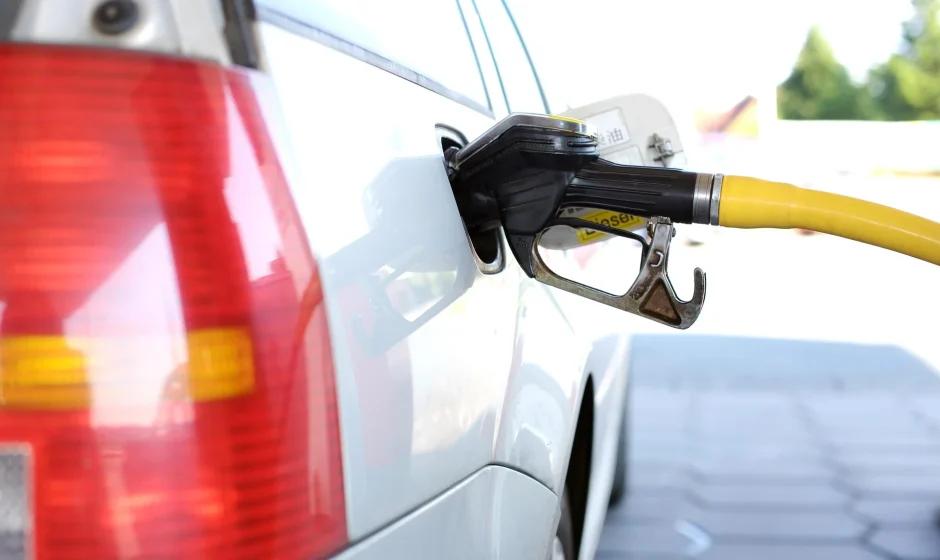

Ghana fuel prices for the September 16, 2026 pricing window are expected to rise, with new National Petroleum Authority price floors and separate industry forecasts all pointing toward higher costs for petrol, diesel and liquefied petroleum gas.
The most important distinction for consumers is that the NPA figures are minimum price floors, not guaranteed pump prices. The NPA has set the new floor at GH₵16.00 per liter for petrol, GH₵16.77 for diesel and GH₵10.97 per kilogram for LPG. Oil Marketing Companies can charge above those levels after adding applicable premiums and margins.
Consumer and industry groups are therefore projecting higher actual retail prices. COPEC expects petrol to average about GH₵16.26 per liter and diesel about GH₵19.07, while COMAC’s latest projection places petrol around GH₵17.23 and diesel around GH₵18.35. The difference between those forecasts is a reminder that motorists will need to check actual station prices once the new window begins.
Quick links (related guides):
New Ghana Fuel Price Floors From September 16, 2026
The National Petroleum Authority has raised the minimum price floors for the second petroleum pricing window of September 2026.
| Product | New NPA Floor | Previous Floor | Change |
|---|---|---|---|
| Petrol | GH₵16.00/liter | GH₵14.53/liter | +GH₵1.47 |
| Diesel | GH₵16.77/liter | GH₵15.60/liter | +GH₵1.17 |
| LPG | GH₵10.97/kg | GH₵10.85/kg | +GH₵0.12 |
For international readers, using Bank of Ghana mid-rates published for September 14, 2026, the GH₵16 petrol floor is approximately USD 1.40, GBP 1.03 or RMB 9.36 per liter. The GH₵16.77 diesel floor is approximately USD 1.46, GBP 1.08 or RMB 9.82.
These currency conversions are approximate. Exchange rates change daily and should not be treated as fixed prices.
What Ghana Fuel Prices Could Actually Reach at the Pump
The NPA price floor tells consumers how low prices can go under the current regulatory framework. It does not tell them exactly what every filling station will charge.
Two major industry organizations have published separate projections for the September 16 window.
| Product | NPA Minimum Floor | COPEC Projection | COMAC Projection |
|---|---|---|---|
| Petrol | GH₵16.00/liter | GH₵16.26/liter | GH₵17.23/liter |
| Diesel | GH₵16.77/liter | GH₵19.07/liter | GH₵18.35/liter |
| LPG | GH₵10.97/kg | GH₵15.32/kg | GH₵16.66/kg |
COPEC’s forecast would put petrol at about USD 1.42, GBP 1.05 or RMB 9.52 per liter using the September 14 Bank of Ghana rates. Its GH₵19.07 diesel projection is approximately USD 1.66, GBP 1.23 or RMB 11.16 per liter.
COMAC’s GH₵17.23 petrol projection is approximately USD 1.50, GBP 1.11 or RMB 10.08 per liter, while its GH₵18.35 diesel estimate is about USD 1.60, GBP 1.19 or RMB 10.74.
The forecasts should be treated as estimates rather than final nationwide prices. Individual marketers will publish their own pump prices when the new window takes effect.
Why Ghana Fuel Prices Are Rising in September 2026
The dominant factor is the international petroleum market.
COPEC reported that crude oil moved from about US$89.30 per barrel to US$103.07 during the pricing period it reviewed. COMAC’s separate assessment put average crude around US$104.01 per barrel for the September 16 window.
Both assessments point in the same direction: the international cost of petroleum has climbed above the US$100-per-barrel level, putting pressure on countries such as Ghana that remain exposed to international petroleum product prices.
Refined products have also become more expensive. COMAC reported increases in international prices for petrol, diesel and LPG during the period used for its calculations.
The Ghana cedi is another part of the pricing equation because petroleum imports are generally priced in foreign currency. However, the international increase in petroleum prices has been large enough that relatively small exchange-rate movements have not eliminated the pressure at the pump.
Why the NPA Price Floor Is Not the Same as the Pump Price
Ghana operates a deregulated pricing system for petrol, diesel and LPG.
Under the NPA’s Petroleum Products Pricing Guidelines, petroleum service providers independently determine parts of their pricing, including supplier premiums, exchange rates and marketer or dealer margins. The NPA establishes a minimum price floor for each pricing window.
That means a GH₵16 petrol floor does not mean every station will sell petrol for GH₵16. It means applicable retailers should not price below the approved floor. Their final ex-pump prices can be higher after the remaining components of the pricing structure are added.
This is also why COPEC and COMAC can publish different forecasts while both remain above the same NPA floor. They are estimating what market conditions and company pricing decisions may ultimately produce.
For motorists, the practical lesson is simple: wait for actual station prices before treating any projection as the final cost.
What the September Fuel Increase Could Mean for Drivers
A few pesewas per liter may not sound significant, but the effect becomes clearer when multiplied across a full tank.
| Scenario | Petrol: 50 Liters | Diesel: 50 Liters |
|---|---|---|
| NPA minimum floor | GH₵800.00 | GH₵838.50 |
| COPEC projection | GH₵813.00 | GH₵953.50 |
| COMAC projection | GH₵861.50 | GH₵917.50 |
This table is an illustration, not a prediction of what a specific driver will pay. Tank sizes differ, fuel stations may set different prices, and motorists rarely arrive at a filling station with a completely empty tank.
Still, it shows why diesel users in particular will be watching the September 16 window closely. COPEC’s projection would put a 50-liter diesel purchase at more than GH₵950.
Government and industry have already been using a GH₵2-per-liter intervention on diesel to reduce the impact on consumers. COMAC says that intervention is expected to continue during the new pricing window.
Higher Fuel Prices Can Affect More Than Drivers
Fuel is an input across much of the Ghanaian economy, so a sustained increase can eventually affect households that do not own cars.
Commercial transport operators consume petrol and diesel. Businesses use fuel to move goods between ports, warehouses, markets and retail locations. Some companies also rely on diesel generators as backup power. Farms and construction companies use petroleum products in machinery and logistics.
This does not mean every trotro fare, food item or delivery charge will immediately increase on September 16. Those decisions depend on many factors, including how long higher fuel prices last, existing margins, competition and any government intervention.
But persistent increases can raise operating costs. That is why fuel movements are relevant to anyone tracking the cost of living in Ghana, even if they do not personally buy petrol or diesel.
What Consumers Should Do on September 16
The most useful step is to compare actual pump prices rather than relying only on projections published before the pricing window begins.
Motorists can check prices from competing Oil Marketing Companies before filling a large tank. Businesses with significant fuel expenses may also want to update short-term transportation and delivery budgets once actual prices become available.
Readers planning to buy or operate a vehicle in Ghana can also review our guides on buying a car in Ghana and transportation in Ghana.
What Happens Next With Ghana Fuel Prices?
The second September pricing window begins Wednesday, September 16, 2026. Oil Marketing Companies are expected to publish or apply their revised ex-pump prices around the start of the window.
The main figure to watch is not simply the NPA floor. Consumers should watch the actual prices posted by major marketers and compare them with the COPEC and COMAC forecasts.
If international crude and refined product prices remain elevated, pressure could continue into the next pricing window. A significant fall in international prices, a stronger cedi or additional government intervention could reduce that pressure.
GhanaCitizenship.com will update this page as actual September 16 pump prices become available. Readers looking for current official benchmarks can also check the National Petroleum Authority’s price-floor and ex-pump-price publications.
Sources
- National Petroleum Authority: Price Floor
- National Petroleum Authority: Ghana Petroleum Products Pricing Guidelines
- Citi Newsroom: “Fuel prices: Petrol projected to rise 9.63%, diesel 6.97% – COMAC” (September 15, 2026)
- Citi Newsroom: “Diesel to hit GH₵19.07, petrol GH₵16.26 from Wednesday – COPEC” (September 13, 2026)
- MyJoyOnline: “NPA increases price floor from September 16; petrol to sell at GH₵16, diesel at GH₵16.77” (September 14, 2026)
- Bank of Ghana: Daily Interbank FX Rates