


Quick links (related guides):
The European Union’s Entry/Exit System (EES) is scheduled to become fully operational on April 10, 2026. Ghana has advised travellers to prepare for the new system ahead of their next trip.
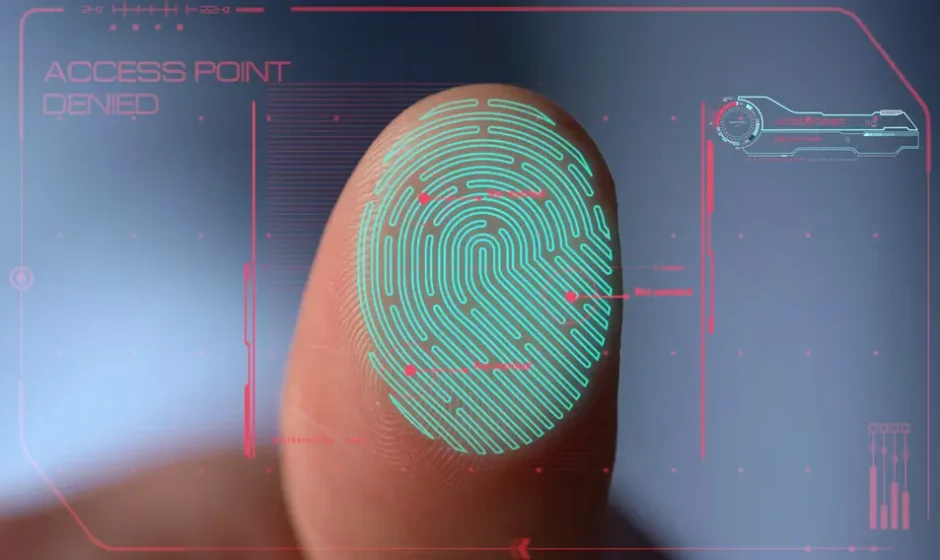
If that sounds routine, here is the real significance: Europe has just ended decades of passport stamping. From now on, every Ghanaian crossing into Schengen territory for a short stay will have their fingerprints, facial image, and travel document data registered in a centralised EU digital system – captured on first entry and verified on subsequent entries.
That matters because the consequences of the old system’s gaps – overstays going undetected, identity fraud, forged documents – are now much harder to pull off. But it also means longer queues, a new enrollment process on your first visit under EES, and for frequent travellers, a data profile that will follow you across all participating Schengen countries. This guide breaks down exactly what the EES means for Ghanaians travelling to Europe.
What Is the EU Entry/Exit System?
The EES is an automated border management system introduced under EU Regulation No. 2017/2226. It applies across the Schengen Area, which currently covers all participating Schengen countries that have abolished internal border controls between each other. The system was first proposed by the European Commission in April 2016 and took nearly a decade to reach full deployment.
A phased rollout began on October 12, 2025, with countries activating the system at varying speeds depending on their technical readiness. As of April 10, 2026, the EES is officially live across all participating Schengen countries, though implementation may vary in practice depending on airport readiness and system capacity. According to the European Commission, over 45 million border crossings were registered and more than 24,000 people were refused entry during the rollout period alone – the system has clearly been active in a meaningful way for months.
The practical effect for Ghanaians is this: the stamp in your passport is being replaced by a digital record. The Schengen border officer no longer flips through your passport pages to check past visits. The system does it automatically, in real time, across all participating countries at once.
What Data Will Be Collected?
| Data Category | What Is Recorded |
|---|---|
| Personal data | Full name, date of birth, nationality |
| Travel document data | Passport number, type, expiry date |
| Biometric data | Facial image and fingerprints (multiple fingers) |
| Border crossing record | Date, time, and location of each entry and exit |
| Refusal of entry | Recorded if border authorities turn you away, with reason |
This data is stored for three years. After your first registration, re-entry checks become significantly faster because your biometrics are already in the system. The EES also makes identity fraud far more difficult to sustain – the European Commission has already reported cases during the rollout where travellers attempting to cross with two separate identities were caught through biometric matching.
One point worth noting on overstays: the previous stamp-based system did not reliably or automatically calculate how long someone had been in the Schengen Area across multiple countries. EES does exactly that. If you exceed the standard 90-day allowance within any 180-day period, the system will flag it. Ghanaians travelling for business, tourism, or to visit family in Europe should be aware of this. A guide on Ghana immigration overstay penalties offers useful context on how seriously overstay situations are handled more broadly.
Who Is Exempt from the EES?
Not everyone crossing a Schengen border falls under EES. Ghana’s Ministry of Foreign Affairs outlined the following exempt categories in its April 9 advisory. If you fall into one of these groups, manual passport stamping continues as before.
- Non-EU nationals holding a residence card as an immediate family member of an EU citizen
- Holders of long-stay visas or valid Schengen residence permits
- Individuals with residence permits linked to EU-wide travel rights
- Heads of state, accredited diplomats, and similar high-level officials
- NATO and Partnership for Peace military personnel and eligible dependants
- Holders of local border traffic permits
- Railway crew members operating on international routes
- Travellers using Facilitated Rail Transit Documents who remain in EU transit
- Individuals entering outside standard checkpoints or authorised hours
- Those travelling for intra-corporate transfers, education, research, training, voluntary service, exchange programmes, or au-pair placements under specific visa categories
The key group to note: if you hold a valid Schengen long-stay visa or residence permit, you do not enroll in EES. The system is specifically designed for short-stay visitors – typically tourists, business travellers, and diaspora members visiting family for trips of up to 90 days within any 180-day period.
What to Expect at the Border
The first time you cross a Schengen border under EES, enrollment takes longer than a standard passport check. You will need to use a manned booth – not a self-service kiosk – where a border officer will scan your travel document, take a facial image, and collect fingerprints (multiple fingers). On subsequent entries within the three-year data storage period, the process is faster because your biometrics are already on file.
Biometric passports are not required for EES registration. They are only needed to use self-service e-gates, which allow pre-enrolled travellers to cross more quickly. Standard Ghanaian passport holders without a biometric chip will go through manned booths for all initial registrations. If you are due for a Ghanaian passport renewal, check whether your new passport includes a biometric chip – it will make future EU border crossings faster once you are enrolled.
On waiting times: Euronews and airport industry bodies have flagged real congestion during the rollout. Several major European airports in particular saw significant queues in the early months of the phased rollout. The advice from multiple travel associations is to arrive at least 90 minutes to two hours earlier than you normally would for international departures into the Schengen Area. This is especially important during peak travel periods like summer.
One flexibility provision is built into the legal framework: EU member states may partially suspend EES checks for up to 90 days after the rollout completes, with a possible 60-day extension, specifically to manage high-traffic periods. Some countries have already used this flexibility during rollout phases. In practice, this means that even after April 10, you may encounter airports where EES processing is temporarily paused. Do not assume this means EES does not apply to you – it is a temporary operational measure, not a policy exemption.
The Travel to Europe App
The EU has released pilot tools and mobile apps designed to help non-EU nationals pre-register for EES. In select countries, pilot tools and apps may allow travellers to submit biometric photos and passport details before arrival, which can reduce time spent at the border checkpoint.
Currently, these pre-registration tools are available in select countries, with expansion planned across the EU. They are downloadable from official app stores where available. Pre-registering through such tools does not replace the border interview – you will still speak with an officer on arrival. But it can mean your biometric data is verified more quickly, which helps during busy periods. Note that these tools typically require a biometric passport to work.
If you travel to Europe regularly and hold a biometric passport, checking whether the “Travel to Europe” app is available for your destination country is worth doing before your next trip. It is a small step that can meaningfully cut down on border processing time.
Countries Not Using the EES
Two EU member states are not participating in EES: Ireland and Cyprus. Both will continue using manual passport stamping. If you are transiting through or travelling specifically to either of these two countries on a short visit, the new biometric system does not apply. This is worth knowing for Ghanaians who regularly travel through Dublin or Larnaca.
What Comes Next: ETIAS
EES is only the first of two major changes to how non-EU nationals enter Europe. The European Travel Information and Authorisation System (ETIAS) is expected to launch in the final months of 2026.
IMPORTANT: ETIAS will apply to travellers from visa-exempt countries such as the United States and the United Kingdom. Ghanaian travellers are not visa-exempt and will continue to require a Schengen visa, meaning ETIAS does not apply to them.
For now, the Ghana visa process guide remains relevant for Ghanaians navigating European travel requirements.
What Ghanaian Travellers Should Do Now
There is no application or registration required before you travel. EES enrollment happens at the border on your first entry. But there are practical steps worth taking before your next trip to Europe:
- Check your passport validity and whether it includes a biometric chip. A biometric passport speeds up e-gate processing once you are enrolled.
- Build extra time into your airport schedule – plan to arrive 90 minutes to two hours earlier than your usual pre-EES habit.
- If you have a biometric passport and are travelling to a country where pre-registration tools are available, check official EU channels for the latest app availability.
- Some countries may offer faster processing options for frequent travellers. These programmes are country-specific and not automatic.
- Check the official EES page via the European Commission and the EEAS website for the latest country-by-country rollout status before you fly.
Ghana’s consular network can assist if issues arise at the border – a full list of Ghana consulates and embassies worldwide is available if you need to locate the nearest representation.
Sources
- MyJoyOnline: “Ghana urges travellers to prepare for new EU border system roll-out” (April 9, 2026)
- European Commission, Migration and Home Affairs: “The Entry/Exit System will become fully operational on 10 April 2026” (March 30, 2026)
- European Commission, Migration and Home Affairs: Entry/Exit System (EES) – Policy Overview
- European External Action Service (EEAS): “Travel in Europe with the European Entry/Exit System (EES)”
- Euronews: “Europe’s Entry/Exit System (EES): What travellers need to know before 10 April rollout” (April 6, 2026)
- ETIAS.com: “EU Entry/Exit System Full Implementation Still April 9, with Flexibility” (February 13, 2026)
- The Guardian: “Biometric checks stalled again for cross-Channel travellers” (April 4, 2026)
- European Union: National Facilitation Programmes – Official Information
- Frontex: Travel to Europe Mobile Application – Official Information