

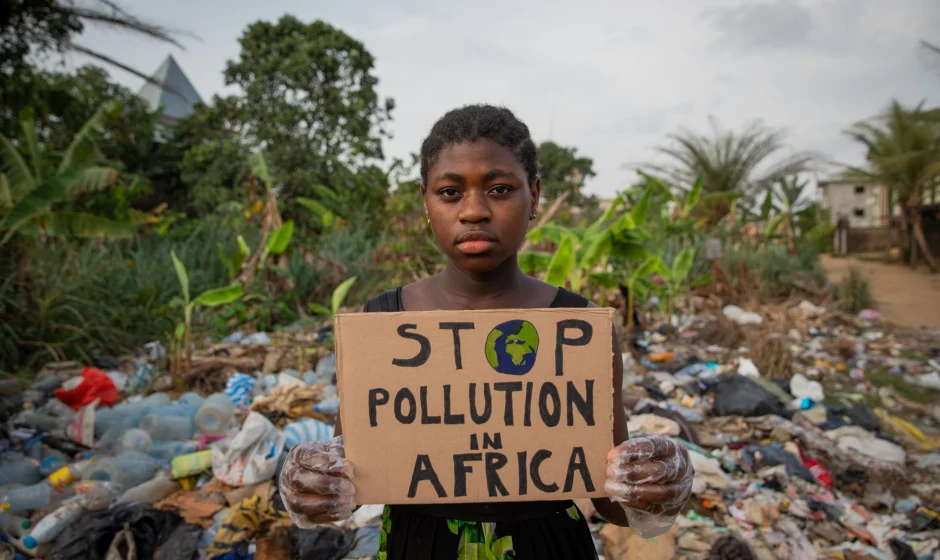

The Ghana Medical Association (GMA) has called on the government to ban single-use plastics in addition to the existing phase-out of styrofoam food packaging, warning that current measures are not enough to protect public health. Professor Ernest Yorke, President of the GMA, made the demand at the association’s 26th annual public lecture in Koforidua on July 24, 2026.
The call comes as global plastic pollution continues to rise. According to the European Commission, around 32 million tonnes of plastic waste are generated annually in Europe alone, and over half of all plastic ever manufactured has been produced since 2000. Only about 9% of plastics ever made have been recycled, with much of the rest ending up in landfills or the environment.
In Africa, the problem is acute. The World Health Organization (WHO) Regional Office for Africa notes that while the continent produces only 5% of global plastic, growing population and urbanization are driving increased single-use plastic consumption, heightening environmental pollution and health threats. GMA’s demand highlights the urgent need for a comprehensive approach to plastic waste in Ghana.
Quick links (related guides):
GMA’s Call for a Comprehensive Ban
Professor Yorke stated that the continued use of styrofoam and single-use plastics for food packaging is a major cause of unsafe food in Ghana, leading to diseases and rising healthcare costs. He emphasized that food safety failures can occur at any point along the food chain, from production and harvesting to transportation, processing, storage, and final preparation.
The GMA president argued that while the government, through the Environmental Protection Agency (EPA), is phasing out styrofoam, the ban must be expanded to include all single-use plastics. “We believe that the ban must be expanded to include single-use plastics in order to achieve a comprehensive solution,” he said. He called for affordable and sustainable alternatives, improved waste collection, recycling, public education, and stronger enforcement of environmental regulations.
We believe that the ban must be expanded to include single-use plastics in order to achieve a comprehensive solution.
Health and Environmental Impacts of Plastic Pollution
Plastic pollution poses direct and indirect health risks. According to the WHO Africa office, plastic waste contaminates freshwater sources, and microplastics can enter the food chain through seafood. Toxic chemicals in plastics can leach into the environment, potentially causing endocrine disruption, developmental issues, and increased cancer risks. Improper disposal also creates breeding grounds for disease-carrying mosquitoes, and burning plastic releases harmful pollutants that cause respiratory problems.
The environmental toll is equally severe. The European Commission reports that plastics represent about 80% of marine litter, with single-use items like caps and lids among the most common debris on European beaches. Globally, plastic bottles can take 450 to 1,000 years to decompose, breaking down into microplastics that persist in ecosystems. In Ghana, recent floods in Accra have highlighted how environmental health and food safety are linked, as floodwaters contaminate drinking water and food preparation areas.
- Contamination of drinking water and food with microplastics.
- Toxic chemical leaching leading to long-term health risks.
- Increased vector-borne diseases from improper waste disposal.
- Air pollution from burning plastic waste.
Government’s Current Measures and the Path Forward
The Ghanaian government has already begun phasing out styrofoam products through the EPA, but the GMA argues this is insufficient. Professor Yorke noted that if implemented effectively with sustainable alternatives, an expanded ban could reduce plastic pollution, improve waste management, and contribute to cleaner urban environments. However, he stressed that food safety is not solely the responsibility of producers and regulators. Consumers also play a key role by making informed decisions about where and how food is purchased, stored, and disposed of.
Across Africa, around 30 countries have already banned single-use plastic bags, according to the WHO. Yet enforcement and monitoring remain weak. The WHO and UNEP are pushing for a global plastics treaty to strengthen waste management systems and promote sustainable alternatives. For Ghana, the GMA’s demand adds pressure on policymakers to act more decisively. The association hopes its annual lecture will produce practical recommendations to inform national policy and improve consumer awareness.
Sources
- Ghana Medical Association demands ban on single-use plastics to protect public health – Graphic Online
- 5 things you should know about single-use plastics – Environment
- Tackling health impacts of plastic pollution in Africa | WHO | Regional Office for Africa