


250 Things to Know Before Moving to Ghana
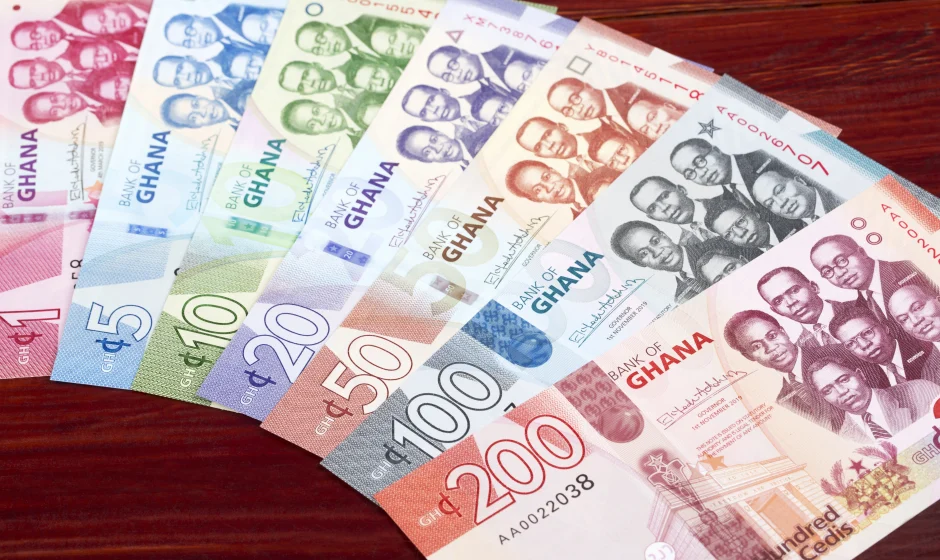
The Ghana cedi exchange rate in 2026 has been drifting downward against the US dollar in gradual, measured steps. As of April 30, 2026, the cedi was trading at 11.19 to the dollar, compared to 11.08 just one week earlier, according to LSEG market data cited by Reuters. That is not a crash – but traders are not expecting relief any time soon either.
The cedi’s problem right now is a mismatch between supply and demand. Energy companies and manufacturers are consistently buying more dollars than the market can absorb, and inflows from the mining sector – while present – are not large enough to offset that pressure. The Bank of Ghana has been holding FX auctions to manage the gap, but those auctions are being oversubscribed, which means demand for dollars is outpacing what the central bank can supply.
For diaspora members sending money home, expats budgeting in Ghana, and investors with cedi-denominated exposure, this trajectory has real practical consequences.
Where the Cedi Stands Right Now
At the close of trading on April 30, 2026, the Ghana cedi was quoted at 11.19 per US dollar, up from 11.08 the week before, based on LSEG data reported by Reuters. That represents a depreciation of roughly 1% in a single week – modest by historical Ghana standards, but part of a pattern that has been consistent throughout April.
Tracking back a few weeks: on April 9, 2026, the Bank of Ghana’s official interbank mid-rate stood at 11.02, with buying at 11.01 and selling at 11.03. On March 30, 2026, the mid-rate was 10.99. In other words, the cedi has moved from below 11.00 to above 11.19 in just one month – a depreciation of approximately 1.8% over that period, according to NewsGhana and the Bank of Ghana’s published interbank rates.
| Date | USD/GHS Rate | Source |
|---|---|---|
| March 30, 2026 | 10.99 (mid-rate) | Bank of Ghana Interbank |
| April 9, 2026 | 11.02 (mid-rate) | Bank of Ghana Interbank |
| April 23, 2026 | 11.05 | LSEG / Reuters |
| April 30, 2026 | 11.19 (mid-rate) | LSEG / Reuters; Bank of Ghana Interbank (11.1900) |
The movement since March has been steady rather than dramatic. Still, each week’s data point is landing higher than the last, and traders interviewed by Reuters are not signalling that a reversal is close.
Why Energy Demand Is the Core Driver
The cedi’s depreciation in late April is not a reflection of any single shock – it reflects a structural demand imbalance. Energy sector companies operating in Ghana need dollars to pay for fuel imports, electricity infrastructure, and international contracts. Manufacturing firms face the same requirement for imported raw materials and equipment. Both sectors are consistently in the market for US dollars, and that combined demand is proving difficult to offset.
Reuters reported on April 30, 2026 that “firm energy sector demand” is expected to keep the cedi under pressure in the near term. The language from traders is direct: mining sector inflows are real – Ghana’s gold exports remain a meaningful source of foreign currency – but they are not arriving at a volume or frequency that neutralises what the energy and manufacturing side is pulling out.
This is not a new dynamic. A Reuters report from April 23, 2026 noted the same pattern: “FX backlogs observed at recent central bank FX auctions indicate supply remains constrained, despite occasional inflows from the extractive sector.” The word “occasional” is worth noting. Mining dollars do not arrive on a predictable weekly schedule, so the market cannot count on them to smooth out demand spikes from other sectors.
Bank of Ghana Auctions: Oversubscribed and Under Pressure
The Bank of Ghana runs regular foreign exchange auctions to help manage liquidity in the interbank market. In theory, these auctions should give commercial banks access to dollars at a predictable rate, helping to stabilise the cedi.
In practice, the auctions have been consistently oversubscribed in recent weeks. Ronald Mensah, a trader at Stanbic Bank Ghana, told Reuters that this oversubscription signals strong underlying dollar demand – more bids than the central bank can fill. When that happens repeatedly, it means market participants are not getting the FX they need through official channels, which increases pressure on the interbank rate.
Mensah added that he does not expect meaningful relief in the near term. That view is echoed across the market. The Bank of Ghana has intervened to prevent sharp volatility – and so far the depreciation has been gradual rather than disorderly – but the underlying demand imbalance has not resolved.
What This Means for Diaspora and Expats
For Ghanaians in the UK, the US, or Canada sending money home, a weakening cedi means the recipient gets more cedis per dollar or pound sent. On the surface, that sounds beneficial. In practice, it is offset by higher import-driven inflation inside Ghana, which erodes the purchasing power of those cedis once they arrive.
For expats budgeting in Ghana – whether on a dollar salary or converting foreign income – a rate of 11.19 is actually relatively favourable compared to where the cedi was a year ago. According to a member of Ghana’s Parliamentary Select Committee on Finance, speaking on April 30, 2026, the cedi appreciated 41% across the full calendar year 2025, making it one of the strongest-performing currencies among emerging markets that year. The recent one-month slide is real – Bank of Ghana data shows the interbank mid-rate moved from 10.99 on March 30 to 11.19 on April 30, a depreciation of approximately 1.8% – but it needs to be read against that longer recovery.
For investors holding cedi-denominated assets – Ghanaian government bonds, local equities on the Ghana Stock Exchange, or fixed deposits – depreciation is a drag on returns when measured in hard currency terms. A 5% cedi return that coincides with a 3% depreciation nets out to roughly 2% in dollar terms. Worth factoring in.
Diaspora members interested in remittances should also watch timing. For a broader view on channels and trends, see the guide on Ghana remittances in 2025.
The 12-Month Picture: Steep Recovery, Recent Softness
It is easy to focus on the week-on-week movement and miss the larger context. A year ago, the cedi was trading at significantly weaker levels than it is today. A member of Ghana’s Parliamentary Select Committee on Finance confirmed on April 30, 2026 that the cedi appreciated 41% across the full year 2025 – cited in reporting by GBC Ghana – reflecting a genuine macro recovery: Ghana’s successful IMF programme, improved fiscal management under the Mahama administration, and stronger gold export revenues all contributed.
Against that backdrop, the April slide looks more like a soft patch than a structural reversal. Still, two consecutive Reuters currency roundups calling the cedi’s outlook “downside” – on both April 23 and April 30 – suggests the near-term direction is unlikely to reverse without either a shift in energy sector import patterns or a meaningful increase in dollar inflows from mining or other sources.
Emerging market currencies broadly have also been exposed to tighter global conditions. When global risk appetite contracts, portfolio capital flows out of frontier and developing markets quickly – tightening local FX conditions and strengthening the dollar against currencies like the cedi. Ghana is not unique in that respect, but it does have less of a buffer than larger EM economies.
Risks to Watch
Several factors could push the cedi further or pull it back in the weeks ahead:
- Energy import bill: If global oil prices rise, Ghana’s energy sector will need more dollars, adding to the demand-side pressure already in the market.
- Mining inflows: A surge in gold export proceeds – possible if prices remain elevated – could provide enough supply to ease auction pressure.
- Bank of Ghana intervention: The central bank has shown willingness to manage volatility. If depreciation accelerates, further intervention is possible.
- IMF programme milestones: Ghana’s ongoing programme with the IMF has been a market confidence anchor. Any delays in programme reviews could unsettle sentiment.
- Global dollar strength: If the US Federal Reserve maintains a restrictive posture, dollar strength globally will continue to weigh on the cedi and similar currencies.
Get your copy here →
Sources
- Reuters via CNBC Africa: “Ghana’s currency could extend gradual slide” (April 30, 2026)
- Reuters via CNBC Africa: “Ghana’s currency under pressure, others broadly steady” (April 23, 2026)
- NewsGhana: “Cedi Edges Lower Against Dollar as Global Pressures Persist” (April 9, 2026)
- GBC Ghana: “Majority defends Bank of Ghana’s report, cites gains in inflation, reserves and cedi stability” (April 30, 2026)
- Bank of Ghana: Daily Interbank FX Rates (April 30, 2026)
Compliance note: All money transfer services must be licensed by the Bank of Ghana.