

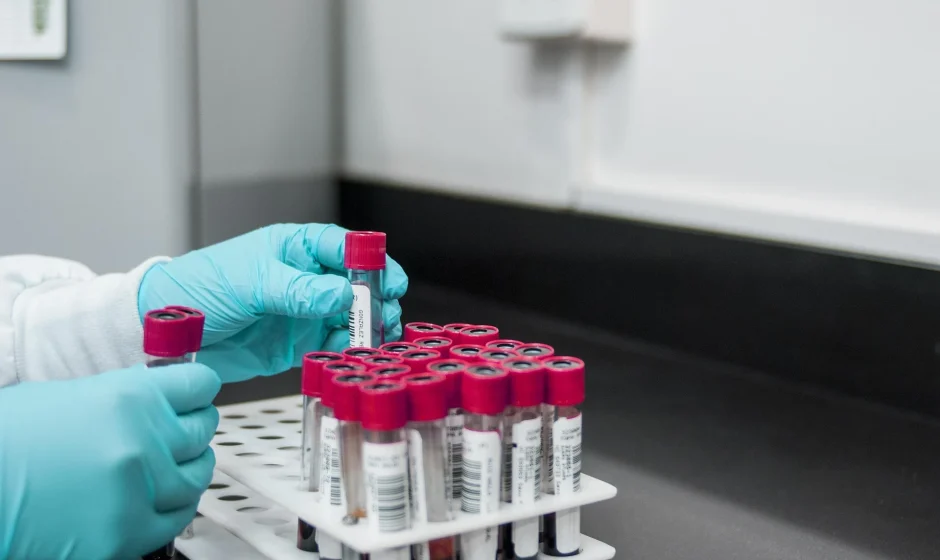

Ghana has established a new mRNA vaccine laboratory at the Noguchi Memorial Institute for Medical Research as the country moves closer to developing and manufacturing more vaccines and biological medicines domestically.
The National Vaccine Institute says the facility gives Ghana advanced mRNA research capabilities and places the country among a small group of African nations with this type of technology. The laboratory is expected to be formally inaugurated by President John Dramani Mahama.
The development comes as Ghana pursues a much broader vaccine manufacturing strategy. The country is targeting local production of Anti-Tetanus Serum in 2027 and expects its first locally manufactured human vaccine, a tetanus-diphtheria vaccine, to emerge from an ongoing technology-transfer and manufacturing partnership involving the National Vaccine Institute, Atlantic Lifesciences, the Noguchi Memorial Institute and PT Bio Farma of Indonesia.
However, the new laboratory should not be confused with a commercial vaccine factory. Ghana is building the research, clinical, regulatory and manufacturing infrastructure needed for vaccine production, but the mRNA facility itself does not mean Ghana is already mass-producing mRNA vaccines.
Table of Contents
- What Has Ghana Established?
- What Is mRNA Technology?
- Why Is the Laboratory at Noguchi?
- Is Ghana Really One of Five African Countries With mRNA Technology?
- Does Ghana Now Manufacture mRNA Vaccines?
- Ghana’s First Local Vaccine Targeted for 2027
- Anti-Tetanus Serum Production
- Ghana’s Snake Venom Antiserum Milestone
- Indonesia’s Bio Farma Partnership
- Role of Atlantic Lifesciences
- How Ghana Is Funding Vaccine Manufacturing
- Clinical Trials and Regulation
- How This Fits Ghana’s Pharmaceutical Policy
- Why Local Vaccine Manufacturing Matters
- What Happens Next?
What Has Ghana Established at the Noguchi Memorial Institute?
The National Vaccine Institute announced in October 2026 that it had established a state-of-the-art mRNA laboratory at the Noguchi Memorial Institute for Medical Research at the University of Ghana. NVI Chief Executive Officer Dr. Sodzi Sodzi-Tettey announced the development during the launch of Ghana’s new Pharmaceutical Manufacturing Policy.
The National Vaccine Institute describes the laboratory as part of Ghana’s effort to develop next-generation vaccine technology and strengthen the scientific infrastructure required for domestic vaccine development. According to the institute, President Mahama is expected to formally inaugurate the facility in 2026.
The laboratory adds mRNA research and development capability to an existing biomedical research ecosystem at Noguchi, one of Ghana’s leading institutions for infectious disease research, laboratory science and public health.
What Is mRNA Vaccine Technology?
Messenger RNA, usually shortened to mRNA, is a molecule that carries instructions telling cells how to make proteins. In an mRNA vaccine, scientists design a temporary genetic instruction that causes cells to produce a harmless version or part of a target protein associated with a pathogen.
The immune system recognizes that protein and learns to respond to it. The mRNA does not need to enter the cell’s nucleus, and it is broken down after delivering its instructions.
The technology became widely known during the COVID-19 pandemic through vaccines developed by companies including Pfizer-BioNTech and Moderna. However, mRNA research is now being investigated for a much wider range of infectious diseases and other medical applications.
One important advantage of the platform is flexibility. Once researchers have established an mRNA development platform, they can potentially redesign vaccine candidates more quickly for different pathogens than would be possible with some traditional vaccine-development techniques.
Why Is Ghana’s mRNA Laboratory at Noguchi?
The Noguchi Memorial Institute for Medical Research is part of the University of Ghana and is one of the country’s best-established biomedical research institutions. Its work includes infectious disease research, molecular biology, virology, immunology, epidemiology and laboratory diagnostics.
Locating the mRNA laboratory at Noguchi allows vaccine-development work to take place within an institution that already has researchers, laboratory infrastructure and experience working with infectious diseases.
It also reflects Ghana’s broader strategy of connecting universities and research institutes with private pharmaceutical manufacturers. The goal is to create a system in which discoveries made in research laboratories can eventually move through testing, regulatory approval and industrial manufacturing.
Is Ghana Really One of Five African Countries With mRNA Technology?
The National Vaccine Institute says establishing the Noguchi laboratory makes Ghana one of five African countries with this mRNA technology capability. That figure comes directly from NVI and was repeated in its October 30, 2026 official press release.
The wording is important. There are different levels of mRNA capability, including laboratory research, vaccine development, clinical development and large-scale commercial manufacturing. Being able to conduct advanced mRNA research is not the same as operating a factory capable of producing millions of finished vaccine doses.
Ghana’s current milestone therefore relates to technological and research capability. Commercial vaccine manufacturing is being developed separately through the country’s broader vaccine ecosystem.
Does Ghana Now Manufacture mRNA Vaccines?
No. The establishment of an mRNA laboratory does not mean Ghana is currently mass-producing mRNA vaccines.
The Noguchi facility gives researchers access to technology needed to develop and study mRNA-based products. Moving from laboratory research to a vaccine that can be administered to millions of people requires multiple additional stages, including candidate development, preclinical work, clinical trials, regulatory approval, process development, manufacturing validation and large-scale production.
Commercial manufacturing also requires specialized facilities capable of consistently producing pharmaceutical products under strict Good Manufacturing Practice standards.
| Capability | Current Ghana Status |
|---|---|
| mRNA research laboratory | Established at Noguchi |
| mRNA research capability | Being developed |
| Commercial mRNA vaccine manufacturing | Not yet announced |
| Locally manufactured tetanus-diphtheria vaccine | Targeted for 2027 |
| Anti-Tetanus Serum | Targeted for 2027 |
| Snake Venom Anti-Serum | Initial local manufacturing milestone reached in 2025 |
Ghana Is Targeting Its First Locally Manufactured Human Vaccine in 2027
Separate from the mRNA laboratory, Ghana is working toward producing its first locally manufactured human vaccine in 2027. The National Vaccine Institute says the first planned product is a tetanus-diphtheria vaccine.
The project involves NVI, Atlantic Lifesciences, the Noguchi Memorial Institute for Medical Research and Indonesian state-owned vaccine manufacturer PT Bio Farma. According to the National Vaccine Institute, Ghanaian specialists have traveled to Indonesia as part of the technology-transfer process required to establish local production.
Dr. Sodzi-Tettey said in October that bulk vaccine material had already arrived in Ghana and manufacturing processes were underway at Atlantic Lifesciences. The goal is to complete the necessary work so that the first locally manufactured tetanus-diphtheria vaccine can emerge in 2027.
The 2027 date remains a target. Manufacturing processes, regulatory requirements, quality testing and other technical steps must still be completed successfully before a locally produced vaccine can enter routine use.
Ghana Also Plans to Manufacture Anti-Tetanus Serum in 2027
Anti-Tetanus Serum is another biological product Ghana is targeting for domestic production in 2027. It is different from a tetanus vaccine.
A vaccine trains the immune system to develop protection before future exposure. Tetanus antitoxin or serum contains antibodies that can provide more immediate passive protection in situations where a person may be at risk of tetanus and does not have adequate immunity.
The National Vaccine Institute says work involving Noguchi and Atlantic Lifesciences is supporting both tetanus-diphtheria vaccine development and tetanus antitoxin production.
In September 2026, an NVI-supported research programme awarded Noguchi and Atlantic Lifesciences approximately €500,000 in grant funding, alongside €47,000 in partner contributions, to generate stability data supporting regulatory approval and reliable local production of tetanus-diphtheria vaccines and tetanus antitoxin.
Ghana Already Reached a Biological Manufacturing Milestone With Snake Venom Antiserum
The 2027 vaccine target follows an earlier milestone. In May 2025, the National Vaccine Institute and Atlantic Lifesciences collaborated on the manufacture of Snake Venom Anti-Serum, which NVI describes as Ghana’s first biological product.
The product is intended to address snakebite, which remains an important health problem particularly in rural and agricultural communities. The National Vaccine Institute has cited an estimate of approximately 10,000 snakebite victims in rural Ghana each year.
NVI said in October 2026 that procurement processes for the locally manufactured antiserum were progressing. This is significant because establishing manufacturing capacity is only one part of creating a viable domestic pharmaceutical industry. Manufacturers also need health systems and other buyers capable of purchasing their products.
Why Is Indonesia’s Bio Farma Involved?
PT Bio Farma is an Indonesian vaccine manufacturer with extensive experience producing vaccines for domestic and international markets. Ghana is using the partnership to obtain technology, training and manufacturing knowledge needed to establish local tetanus-diphtheria vaccine production.
Technology transfer can be critical for countries establishing vaccine manufacturing for the first time because vaccine production involves much more than purchasing machinery. Manufacturers must understand formulations, production processes, quality-control procedures, documentation, stability testing and regulatory requirements.
Ghanaian specialists, including representatives from the Food and Drugs Authority and private manufacturers, have participated in the technology-transfer work with Indonesia.
The arrangement is intended to allow Ghana gradually to build domestic expertise rather than permanently importing all finished vaccine products.
What Is Atlantic Lifesciences’ Role?
Atlantic Lifesciences is one of the private Ghanaian pharmaceutical manufacturers involved in the country’s vaccine and biological manufacturing programme. The company is participating in the snake antiserum, tetanus antitoxin and tetanus-diphtheria initiatives.
The National Vaccine Institute says the tetanus-diphtheria manufacturing process is being carried out at Atlantic Lifesciences, while Noguchi contributes scientific and research capacity and Bio Farma supports technology transfer.
Atlantic Lifesciences has also been accepted under the Africa Centres for Disease Control and Prevention’s African Pooled Procurement Mechanism. NVI says the company has been registered as an APPM manufacturer for five years and has received a contract to supply oxytocin under an African reproductive, maternal, newborn and child health procurement framework.
Access to regional procurement mechanisms is important because Ghanaian manufacturers may ultimately need markets larger than Ghana’s population to operate vaccine facilities efficiently at scale.
How Is Ghana Funding Its Vaccine Manufacturing Strategy?
President Mahama allocated US$50 million to the National Vaccine Institute in August 2025 to support Ghana’s vaccine manufacturing programme, according to NVI.
However, significantly more private and public investment may be needed. The National Vaccine Institute has said Atlantic Lifesciences and DEK Vaccines require at least US$100 million to build and equip manufacturing facilities associated with the country’s vaccine strategy.
Those figures illustrate one of the main challenges in vaccine production. Research laboratories can be expensive, but large-scale manufacturing facilities require even more capital for specialized equipment, clean rooms, sterile production lines, utilities, testing laboratories and quality systems.
Ghana’s new Pharmaceutical Manufacturing Policy is intended partly to make projects like these easier to finance by creating a formal government framework supporting pharmaceutical manufacturing, investment, research, local procurement and market development.
Ghana Is Also Strengthening Its Clinical Trials System
A vaccine manufacturing ecosystem requires more than factories and laboratories. New products must be tested scientifically and regulated before they can be approved for use.
The National Vaccine Institute and World Health Organization have therefore been working to strengthen Ghana’s clinical trials ecosystem. In 2026, participating institutions assessed their capabilities across areas including trial operations, infrastructure, quality management, leadership and institutional systems.
Fourteen research centers and facilities participated in the benchmarking programme, including Noguchi, the University of Ghana Medical Centre and the West African Centre for Cell Biology of Infectious Pathogens.
WHO has described strong clinical-trial systems as a critical part of Ghana’s vaccine-production agenda because domestic research capability can support product development, regulatory evidence and eventual commercialization.
What Role Does Ghana’s Food and Drugs Authority Play?
Vaccines cannot be introduced simply because a manufacturer is capable of producing them. Ghana’s Food and Drugs Authority is responsible for evaluating the safety, quality and efficacy of medicines and vaccines before they can be authorized for use.
Regulatory capacity is particularly important for biological products because manufacturing consistency can directly affect the characteristics of the finished medicine. Facilities, production processes, testing methods and quality systems all have to meet defined standards.
Ghanaian FDA representatives have been involved in the international technology-transfer work associated with vaccine manufacturing, helping ensure that regulatory considerations are incorporated while production capability is being developed.
WHO and the European Union Are Supporting Ghana’s Vaccine Manufacturing Programme
Ghana’s vaccine strategy is also supported by the Vax & Pharm-Ghana Project, a partnership involving the Government of Ghana, World Health Organization and European Union.
WHO says Ghana currently relies heavily on imported medicines and, as of its December 2025 project brief, did not manufacture human vaccines domestically. The COVID-19 pandemic demonstrated the risks of that dependence when global competition, border restrictions and supply-chain disruptions made vaccine access particularly difficult for many African countries.
Ghana subsequently developed a 10-year vaccine manufacturing roadmap and established the National Vaccine Institute to coordinate the country’s transition toward domestic development and production.
The Vax & Pharm programme supports areas including workforce development, regulation, research, manufacturing systems and international standards.
How the mRNA Lab Fits Ghana’s Pharmaceutical Manufacturing Policy
The mRNA laboratory was announced during the launch of Ghana’s Pharmaceutical Manufacturing Policy in October 2026, and the two developments are closely connected.
Ghana currently imports roughly 70% of the medicines it consumes and almost all of the active pharmaceutical ingredients used by domestic manufacturers. The new policy seeks to expand local pharmaceutical production, research, vaccine manufacturing, raw-material production, contract manufacturing and access to long-term investment capital.
The vaccine programme represents the more technically demanding end of that strategy. Manufacturing conventional tablets is considerably different from developing vaccines and biological products, which require advanced research, sterile manufacturing, specialized regulatory systems and sophisticated quality controls.
Ghana’s mRNA laboratory, tetanus-diphtheria project and domestic antiserum initiatives therefore form part of a broader effort to move the country beyond basic pharmaceutical formulation toward more complex biotechnology and biological manufacturing.
Ghana Is Trying to Connect Research Directly With Manufacturing
One of the recurring problems in developing pharmaceutical industries is the gap between academic research and commercial production. A university or research institute may develop promising technology that never reaches a factory or patient.
Ghana’s current model attempts to connect institutions such as Noguchi directly with private manufacturers including Atlantic Lifesciences. The National Vaccine Institute acts as a coordinating body linking research, manufacturing, regulation, government policy and international partners.
In September 2026, approximately €2 million was awarded across several Ghanaian research-and-development projects intended to connect scientific institutions with manufacturers. Projects include malaria medicines, pharmaceutical raw materials, biological products and vaccine-related development.
The approach is intended to create products that move beyond laboratory publications into scalable manufacturing and regulatory approval.
Why Local Vaccine Manufacturing Matters for Ghana
Ghana currently depends on international suppliers for routine childhood vaccines and vaccines needed during outbreaks. That dependence can become particularly risky during a global emergency when many countries need the same products simultaneously.
Domestic manufacturing would not eliminate the need to import vaccines. Even countries with established pharmaceutical industries participate in international supply chains. Instead, local production could give Ghana more control over selected products and strengthen its ability to respond to regional health needs.
Local manufacturing can also create biotechnology jobs, develop specialized technical skills, support research institutions and potentially create pharmaceutical exports if Ghanaian facilities meet international quality requirements.
There is also a regional dimension. African governments and organizations such as Africa CDC have been trying to increase the proportion of vaccines manufactured on the continent after COVID-19 exposed Africa’s heavy dependence on overseas producers.
What the mRNA Laboratory Does Not Mean
The announcement is an important scientific milestone, but several interpretations would overstate Ghana’s current capabilities.
The new laboratory does not mean:
- Ghana is already mass-producing mRNA vaccines.
- A Ghanaian mRNA vaccine has already received regulatory approval.
- Ghana has stopped importing vaccines.
- The tetanus-diphtheria vaccine planned for 2027 is necessarily an mRNA vaccine.
- Commercial mRNA vaccine factories are already operating in Ghana.
- Every stage of Ghana’s vaccine supply chain is now domestically produced.
The tetanus-diphtheria vaccine programme and the mRNA laboratory are related through Ghana’s broader vaccine-development strategy, but they are separate technological initiatives. The currently announced first local human vaccine is a tetanus-diphtheria product being developed through technology transfer with Bio Farma.
What Challenges Does Ghana Still Face?
Moving from research infrastructure to a sustainable vaccine industry will require Ghana to solve several difficult technical and financial problems. Vaccine manufacturing is capital-intensive, highly regulated and dependent on specialized personnel and reliable infrastructure.
Major challenges include:
- Financing commercial manufacturing plants.
- Maintaining international Good Manufacturing Practice standards.
- Training and retaining specialized biotechnology personnel.
- Securing reliable electricity, water and cold-chain infrastructure.
- Completing technology transfer successfully.
- Building a strong clinical trials ecosystem.
- Obtaining regulatory approvals.
- Maintaining consistent product quality.
- Securing enough demand to keep factories commercially viable.
- Competing with established global vaccine manufacturers.
- Developing regional export markets.
These challenges explain why the establishment of a sophisticated laboratory is an important step but only one part of the much larger vaccine manufacturing system Ghana is attempting to build.
What Happens Next?
The next phase will show whether Ghana can move successfully from research capability and technology transfer into routine commercial manufacturing. The immediate milestones are likely to be the formal inauguration of the mRNA laboratory, completion of work on Anti-Tetanus Serum and progress toward the first locally manufactured tetanus-diphtheria vaccine.
Important developments to watch include:
- Formal launch of the Noguchi mRNA laboratory.
- Announcement of specific mRNA research programmes.
- Completion of tetanus-diphtheria technology transfer.
- Regulatory approval of Ghana’s locally manufactured vaccine.
- Commercial production of Anti-Tetanus Serum.
- Expansion of Atlantic Lifesciences’ manufacturing capacity.
- Development of DEK Vaccines’ production facilities.
- Additional government and private financing.
- Clinical trials capacity improvements.
- FDA regulatory milestones.
- Participation in Africa CDC pooled procurement.
- Development of future Ghanaian vaccine candidates.
Bottom Line
Ghana has established an advanced mRNA laboratory at the Noguchi Memorial Institute for Medical Research, giving the country a new biotechnology platform for vaccine research and development. The National Vaccine Institute says the facility places Ghana among a small number of African countries with this level of mRNA capability.
The laboratory is part of a much larger effort to build a domestic vaccine industry. Ghana has developed a 10-year manufacturing roadmap, established the National Vaccine Institute, expanded clinical trials work, invested in private manufacturing and partnered with international organizations and vaccine manufacturers.
The country’s most immediate commercial target is not an mRNA vaccine. Ghana is aiming to manufacture Anti-Tetanus Serum and its first locally produced human vaccine, a tetanus-diphtheria vaccine, in 2027 through collaboration involving NVI, Atlantic Lifesciences, Noguchi and Indonesia’s Bio Farma.
Ghana has already reached an earlier biological-production milestone through locally manufactured Snake Venom Anti-Serum. The next challenge is turning these individual achievements into a sustainable industrial system capable of producing safe, regulated vaccines and biological medicines at commercial scale.
The mRNA laboratory therefore represents an important research milestone rather than the completion of Ghana’s vaccine manufacturing journey. Its longer-term significance will depend on whether research conducted there eventually produces vaccine candidates that successfully move through clinical development, regulatory approval and commercial manufacturing.
Sources
- National Vaccine Institute: Ghana’s Next-Generation mRNA Technology Lab at Noguchi, October 30, 2026
- MyJoyOnline: NVI’s mRNA Lab, October 29, 2026
- National Vaccine Institute: New Pharmaceutical Manufacturing Policy Will Transform Ghana, October 30, 2026
- MyJoyOnline: Ghana Targets First Locally Manufactured Vaccine by 2027, October 9, 2026
- National Vaccine Institute: €2 Million Awarded to Vaccine and Pharmaceutical R&D Projects, September 2026
- World Health Organization Africa: Vax & Pharm Ghana Project Brief
- World Health Organization Africa: Ghana Advances Vaccine Manufacturing With Clinical Trials Strengthening, April 16, 2026