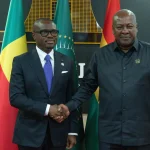

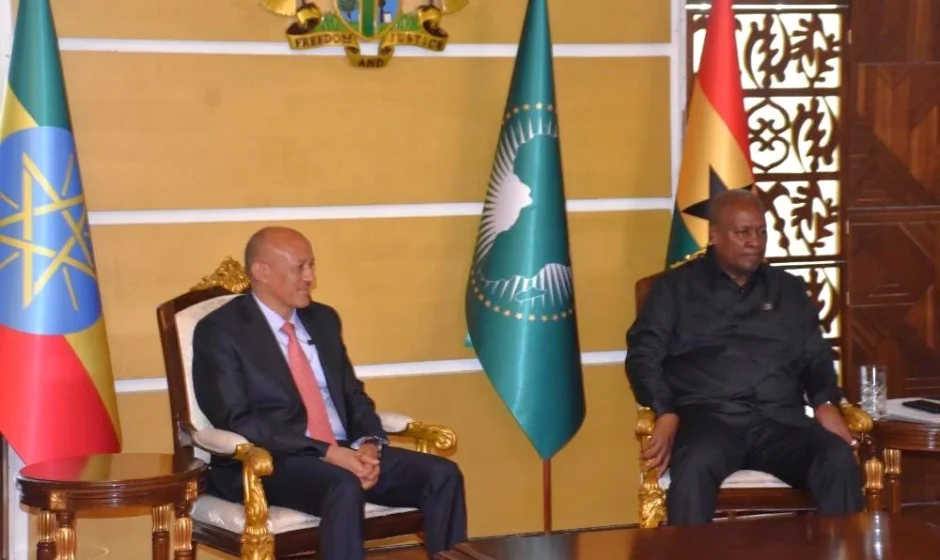

President John Dramani Mahama and Ethiopian Deputy Prime Minister Temesgen Tiruneh held bilateral talks on the sidelines of the African Union Extraordinary Health Summit in Accra. The meeting, which took place at the Presidency, aimed to deepen ties between the two African nations and advance shared continental and global interests.
The relationship between Ghana and Ethiopia runs deep. President Mahama noted that the connection dates back to the era of Ghana’s first President, Dr. Kwame Nkrumah, and Ethiopia’s Emperor Haile Selassie. Both countries have long supported each other in international forums and continue to seek ways to collaborate on development and diplomacy.
This guide breaks down the key outcomes of the talks, the historic context, and why this growing partnership matters for citizens, businesses, and policymakers in both countries.
Quick links (related guides):
Historic Foundations of the Relationship
Ghana and Ethiopia share a unique bond rooted in pan-African history. President Mahama highlighted the legacy of Nkrumah and Selassie, who were both champions of African unity. Ethiopia’s capital, Addis Ababa, is often called the diplomatic capital of Africa, hosting the African Union headquarters.
The two countries have consistently supported each other on the global stage. Most recently, Ethiopia was among the 123 nations that backed Ghana’s UN General Assembly resolution on slavery. This mutual support forms the bedrock of their current cooperation.
We are happy with the strong partnership. – Ethiopian Deputy Prime Minister Temesgen Tiruneh
Key Areas of Cooperation Discussed
During the talks, President Mahama expressed interest in learning from Ethiopia’s afforestation program, which has planted billions of trees and measurably changed the country’s climate. Ghana plans to send a technical team to study the program and adapt it locally.
Both leaders also discussed the successful commissioning of the new chancery building of the Ghanaian Embassy in Addis Ababa, a symbol of their strengthening diplomatic infrastructure. The meeting reaffirmed a commitment to work together on peace, security, and economic development.
- Afforestation: Ghana to study Ethiopia’s tree-planting success.
- Diplomatic infrastructure: New Ghana embassy chancery in Addis Ababa.
- Peace and security: Continued collaboration through forums like Tana.
What This Means for Ghana and Ethiopia
For ordinary citizens, deeper bilateral ties can translate into more cultural exchanges, trade opportunities, and collaborative projects in sectors like agriculture, environment, and education. Business travelers and investors may find it easier to navigate regulations as diplomatic relations improve.
The partnership also strengthens Africa’s collective voice in global affairs. When Ghana and Ethiopia work together, they set an example of south-south cooperation that benefits the entire continent.
Sources