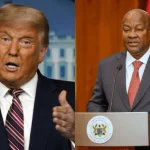


President John Dramani Mahama has announced that Ghana will no longer grant automatic tax waivers on imported medical equipment. The policy change applies to any institution or business seeking tax exemptions on imported medical equipment, including health facilities and medical equipment importers.
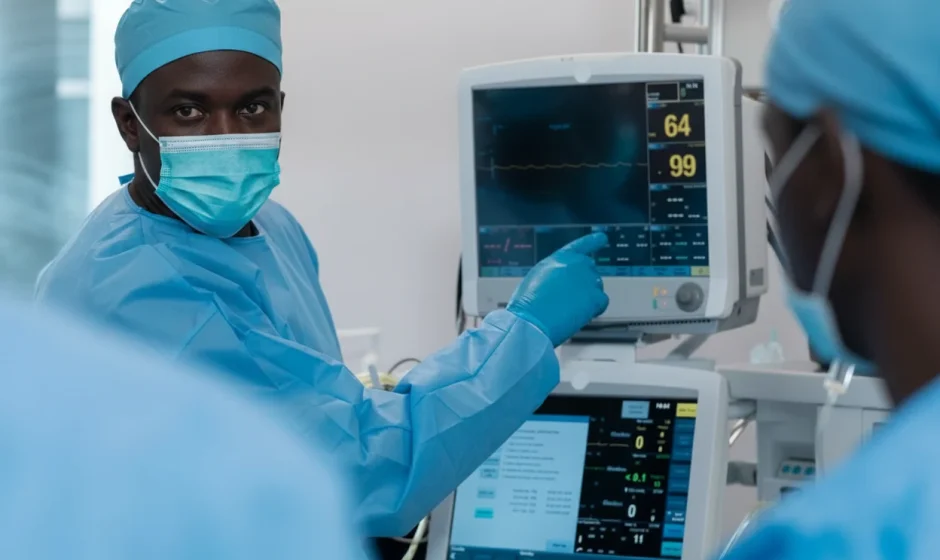
If that sounds like a technical budget move, here is the real meaning: hospitals and clinics can no longer assume they will get tax breaks on X‑ray machines, surgical tools, lab devices, or hospital beds. Every request will now be reviewed case by case, with stricter justification required. This decision is part of a broader government effort to address a fiscal gap that cost the state GH¢4.6 billion in 2023 alone due to tax expenditures. The Exemptions Act, 2022 (Act 1083) already requires prior written approval from the Finance Minister before any tax exemption can be granted, but this directive closes the door on automatic approvals.
This shift matters because medical equipment is already expensive. Adding import duties and the new unified 20% VAT could raise costs for private hospitals and potentially for patients. At the same time, the government argues that automatic waivers have been overused and that tighter controls will save public revenue and encourage local manufacturing. Understanding how the new system works is essential for hospital administrators, importers, and anyone tracking healthcare costs in Ghana.
What Changed: No More Automatic Waivers
Until now, importers of medical equipment could apply for and often receive automatic tax waivers under Ghana’s exemptions regime. These waivers typically covered import duties, the unified 20% VAT (comprising 15% standard VAT, 2.5% NHIL, and 2.5% GETFund), and other levies. The stated goal was to make medical equipment more affordable for hospitals and clinics, especially public facilities.
President Mahama’s announcement, first reported on May 13, 2026, during the commissioning of a PET CT scan facility at the Sweden-Ghana Medical Centre in Accra, ends that automatic process. The PET CT facility will operate under the Ghana Medical Trust Fund, known as MahamaCares, which assists eligible cancer patients with diagnosis and treatment costs. Under the new directive, every request for a tax waiver on medical equipment imports will be reviewed individually. The government says it will grant waivers only when the importer or health facility proves a clear public benefit and demonstrates that the equipment cannot be sourced locally at a competitive price.
In plain terms: the old system said “apply and likely get approved.” The new system says “prove why you deserve an exception.”
Why the Government Made This Move
Officials have pointed to two main reasons. First, revenue leakage. The government argues that automatic waivers have been overused. According to the Ministry of Finance, tax expenditures cost the state a staggering GH¢4.6 billion in 2023. The 2023 Tax Expenditure Report shows import exemptions totaled GH¢3.545 billion—76.76% of the total—with parliamentary exemptions accounting for GH¢1.7 billion. Parliamentary exemptions included GH¢1.3 billion for mining companies, GH¢460 million for grant‑funded projects, and GH¢40.9 million for the 1D1F program. Second, an industrial policy push. By tightening waivers, Ghana wants to create a stronger market for locally assembled or manufactured medical devices.
This is not an isolated move. In recent months, Ghana has also ended automatic tax waivers on some other imported goods and has pushed for local content in mining and pharmaceuticals. The medical equipment policy fits a broader pattern: use tax policy to encourage local production while closing loopholes that drain state revenue.
The World Bank previously estimated that Ghana’s tax exemptions cost about 3.9% of GDP in 2021, with VAT exemptions alone accounting for 1.9 percentage points. This provides additional context on the scale of the fiscal challenge the government is trying to address.
What this means in practice: hospitals and importers will need to plan ahead, budget for potential duties, and be ready to justify each waiver request with documentation. Automatic approval is no longer an option.
Who Is Affected: Hospitals, Importers, Patients
Private hospitals and clinics are likely to feel the biggest immediate impact. Many private facilities rely on imported equipment and previously used waivers to keep costs manageable. Without automatic waivers, they may face higher upfront costs, which could lead to higher patient fees or delayed equipment purchases.
Public hospitals may be shielded somewhat because the government can still grant waivers on a case-by-case basis, but the extra bureaucracy could slow down procurement. For a regional hospital waiting for a new ultrasound machine or a dialysis unit, delays could affect patient care.
Medical equipment importers and distributors will need to adjust their pricing models and timelines. If a waiver is denied, the importer must either pay the duties or pass the full cost to the hospital. That could reduce the number of orders or shift demand toward cheaper, possibly lower-quality alternatives.
Patients are at the end of this chain. If hospitals pay more for equipment, some of that cost could be passed on through higher service fees. However, the government has not yet indicated any plan to cap patient charges or subsidize equipment purchases. Patients should watch for changes in hospital pricing, especially for diagnostic tests, surgeries, and specialized treatments that rely heavily on imported machines.
Local medical equipment manufacturers or assemblers stand to benefit. If tax waivers become harder to get, buying locally made products may become relatively more attractive. Ghana has a small but growing medical device assembly sector, including manufacturers of hospital furniture, basic diagnostic tools, and PPE. Over time, this policy could help those companies grow.
Potential Impact on Healthcare Costs & Access
The direct financial effect depends on which taxes apply. Standard import duties on medical equipment typically range from 5% to 20%, depending on the HS code classification. Ghana uses the ECOWAS Common External Tariff bands of 0%, 5%, 10%, 20%, and 35%. Medical equipment can fall under 0% (social goods), 5% (capital goods), 10% (intermediate goods), or 20% (finished goods), depending on classification. Additionally, a unified 20% VAT rate (which consolidates the standard 15% VAT, a 2.5% NHIL, and a 2.5% GETFund levy) is applied on the duty‑inclusive CIF value. Combined, total taxes and duties can add 25–40% to the landed cost of imported equipment.
In a simplified example, if a hospital previously received a full waiver and now pays the full rate, a $50,000 MRI machine part could cost $69,000 or more before other fees (assuming 15% duty and then 20% VAT on the duty‑inclusive value). For a small private clinic buying a $5,000 dental X‑ray unit, the added cost might be $1,750–$2,000. Actual costs depend on CIF value, HS code, additional fees, exemptions, and exchange rates.
Not every import will lose its waiver. The government has said it will still grant exemptions for “compelling public health reasons” or when equipment is not available locally. But the burden of proof now falls on the importer. That means paperwork, waiting times, and uncertainty.
In the short term, some hospitals may delay purchases. That could mean longer wait times for patients needing diagnostic scans or surgeries. In the medium term, if local manufacturers step up, prices could stabilize or even drop for basic equipment. But for high-end devices like CT scanners or ventilators, local alternatives do not yet exist, so Ghana will remain dependent on imports. Those items may still get waivers, but the process will be slower.
What Comes Next: New Approval Process
The Ministry of Finance and the Ghana Revenue Authority (GRA) are expected to issue detailed guidelines within weeks. Until then, some ambiguity remains. Key questions include:
- Which specific medical equipment categories will face the highest scrutiny?
- What documentation will be required to prove “local unavailability”?
- How long will the review process take?
- Will there be an appeals process for denied waivers?
Based on similar policy changes in other sectors, importers should expect to submit purchase orders, supplier quotes, a declaration that the equipment is not produced locally, and a justification of public health benefit. Public hospitals may need endorsement from the Ghana Health Service or the Ministry of Health. Private hospitals will need to make their own case.
The government has not announced a transition period. That means any new import orders placed after the announcement are subject to the case-by-case review, even if the official guidelines are not yet published. Importers already holding valid waivers under the old system should check whether those waivers remain honored.
Detailed public guidelines from the Ministry of Finance and GRA for this specific medical equipment waiver process have not yet been published. Importers should monitor official channels and consult licensed customs brokers for the most current interpretation.
FDA Import Rules for Medical Devices
Separate from taxes, medical device importers must still comply with Ghana FDA import rules. FDA guidelines require importers to be properly registered and licensed, obtain import permits before importation, and ensure imported products are registered and inspected where required. These requirements apply regardless of whether a tax waiver is granted. Importers should factor FDA compliance timelines and costs into their planning.
What Readers Should Do
If you are a hospital administrator, clinic owner, or medical equipment importer:
- Review any pending import orders. If you have not yet applied for a waiver, assume the new rules apply.
- Contact the GRA or a licensed customs broker to understand the current interpretation before the formal guidelines are released.
- Build duty costs into your budgeting. Do not assume a waiver will be granted.
- Consider local suppliers for basic equipment, furniture, and consumables. Even if quality is not identical, the total cost after duties may favor local options.
- Ensure FDA registration and import permit requirements are met before shipping.
If you are a patient or someone who relies on private healthcare:
- Ask your clinic or hospital whether they expect price changes for specific services.
- For planned procedures or diagnostic tests, you may want to schedule them sooner if delays or price hikes are possible.
- Keep an eye on official announcements from the Ministry of Health and the GRA for clarity on how this policy will be implemented.
If you are a local manufacturer or aspiring entrepreneur in medical devices:
- This policy creates a market advantage for you. Reach out to hospitals and the Ministry of Trade to highlight what you can produce.
- Consider partnerships with foreign suppliers to assemble or co-produce in Ghana, which may qualify for different tax treatment.
For everyone: this is a developing story. The exact rules, timelines, and exceptions are not yet final. Follow reliable sources and be cautious about assuming the worst or the best until the guidelines are published.
If you need personalized legal assistance with customs, tax compliance, or medical equipment import regulations in Ghana, consider speaking with a qualified Ghanaian lawyer. Use the form below to get started:
Sources
- Graphic Online: “President Mahama: No more automatic tax waivers for medical equipment imports” (May 2026)
- 3news: “Mahama announces end to automatic tax waivers on imported medical equipment” (May 2026)
- Ministry of Finance: 2023 Tax Expenditure Report
- Ghana Revenue Authority: VAT
- Ghana Revenue Authority: Customs Tariffs and Levies
- Food and Drugs Authority Ghana: Guideline for Importation of Medical Devices
- World Bank: Ghana Economic Update, tax expenditure discussion