
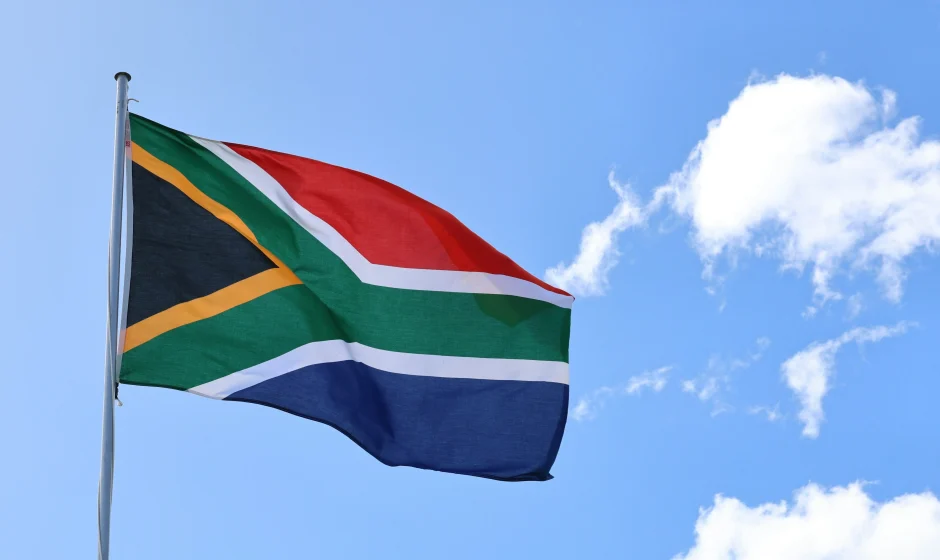

Ghana spent GH₵49,721,786 evacuating 1,964 Ghanaian citizens from South Africa during a months-long operation triggered by renewed anti-foreigner violence and intimidation in 2026.
The evacuation began on May 27 and concluded on September 4. It involved chartered and commercial flights, ground transportation, accommodation, food, medical care, reintegration assistance and the repatriation of two deceased Ghanaian nationals.
Foreign Affairs Minister Samuel Okudzeto Ablakwa disclosed the final cost at a September 7 briefing in Accra. The exercise also helped prompt plans for a new Ghanaian Diaspora Consular Fund designed to give the government a dedicated source of emergency money when citizens need evacuation or other urgent assistance overseas.
Quick links (related guides):
How Much Did Ghana’s South Africa Evacuation Cost?
The final reported cost was GH₵49,721,786.
Using Bank of Ghana mid-rates published on September 15, 2026, that is approximately US$4.33 million, GBP 3.21 million or RMB 29.06 million.
Those conversions are approximate because exchange rates change daily.
On a simple total-cost-per-evacuee basis, the operation averaged about GH₵25,317 per person, roughly US$2,205, GBP 1,636 or RMB 14,797. That should not be confused with the amount handed directly to individual returnees. Most of the total expenditure went toward transportation, accommodation, medical care and other operational expenses.
Where the GH₵49.7 Million Went
Ablakwa provided a detailed breakdown of the expenditure.
| Expense | Amount | Approximate International Value |
|---|---|---|
| Flights, tickets, ground transport, feeding, hotels, medical care and hospitalisation | GH₵38,835,512 | US$3.38 million, GBP 2.51 million, RMB 22.70 million |
| Reintegration and transportation allowances | GH₵10,802,000 | US$940,744, GBP 698,061, RMB 6.31 million |
| Repatriation of two mortal remains | GH₵84,274 | US$7,339, GBP 5,446, RMB 49,257 |
| Total | GH₵49,721,786 | US$4.33 million, GBP 3.21 million, RMB 29.06 million |
The GH₵38.84 million operational component was by far the largest expense, reflecting the cost of transporting and caring for nearly 2,000 people during an evacuation carried out over several months.
The Foreign Minister said all costs had been fully paid and there were no outstanding liabilities from the exercise.
Who Paid for the Ghana South Africa Evacuation?
The entire GH₵49.72 million was not paid directly from government funds.
The Government of Ghana contributed GH₵33,721,786, approximately US$2.94 million, GBP 2.18 million or RMB 19.71 million.
Engineers & Planners, the company owned by Ghanaian businessman Ibrahim Mahama, contributed another GH₵16 million, approximately US$1.39 million, GBP 1.03 million or RMB 9.35 million.
| Contributor | Contribution | Share of Total Cost |
|---|---|---|
| Government of Ghana | GH₵33,721,786 | About 67.8% |
| Engineers & Planners | GH₵16,000,000 | About 32.2% |
The Foreign Ministry separately said Ghana did not seek financial or material assistance from the South African government for the evacuation.
What Each Evacuee Received After Returning to Ghana
Each returnee received a GH₵5,000 reintegration grant, approximately US$435, GBP 323 or RMB 2,922, according to the Foreign Minister.
They also received a GH₵500 transportation allowance, approximately US$44, GBP 32 or RMB 292.
Together, the direct cash support amounted to GH₵5,500 per evacuee, approximately US$479, GBP 355 or RMB 3,215.
Ghana News Agency reported that returnees also received medical screening, National Health Insurance Scheme registration, food packages, SIM cards and psychosocial support.
The first large phase of the evacuation relied heavily on chartered flights. Later phases included commercial flights as the government continued bringing home citizens who had registered for evacuation.
Why Did Ghana Evacuate Citizens From South Africa?
The evacuation followed a deterioration in the security environment for some African migrants in parts of South Africa beginning in April 2026.
Ghanaian officials reported intimidation, harassment, property losses and violent attacks affecting Ghanaian nationals and other African migrants, particularly in parts of KwaZulu-Natal and other commercial areas.
Foreign Minister Ablakwa linked some of the anti-foreigner activity to groups including Operation Dudula and a group identified by Ghanaian authorities as March and March. He said members had stopped people in public places, questioned their nationality and immigration status and, in some cases, engaged in what were described as citizen arrests.
South Africa’s government has itself said that violence and intimidation against foreign nationals are unlawful. In a June 26 statement, South Africa’s Inter-Ministerial Committee on Migration said preventing people from accessing hospitals, clinics, schools or other public services is prohibited and that xenophobia, hate speech and violence have no place under the country’s constitutional system.
South African officials have also said immigration laws still apply and that undocumented migration must be addressed through lawful state institutions rather than vigilante action.
Four Ghanaian Deaths Were Reported During the Crisis
At the September 7 briefing, Ablakwa said four Ghanaian nationals had died amid the worsening security situation between April and July 2026.
They were identified by Ghanaian authorities as Bashiru Issahaq, Kwadwo Antwi, Amoonu Jailor Nash and Ebenezer Ayi Tawiah.
The circumstances were not identical. Ghanaian authorities described three as victims of violent incidents, while Tawiah was reported to have died after being unable to obtain medical treatment amid harassment by vigilantes.
The GH₵84,274 repatriation expense listed in the government’s accounting related specifically to two mortal remains. That figure should not be interpreted as meaning only two deaths were recorded during the broader crisis.
Ghana’s government has said it is pursuing diplomatic and legal measures over the deaths. The Ghana High Commission in Pretoria lodged complaints with South African authorities in relation to at least some of the cases and called for investigations and prosecution where criminal responsibility is established.
Ghana Took the Xenophobia Issue to the African Union
The response has extended beyond bilateral discussions with South Africa.
Ablakwa said Ghana formally petitioned the African Union Commission on May 6, asking that recurring xenophobic attacks against African nationals in South Africa be treated as an urgent continental issue.
According to Ghana News Agency, the AU Commission responded and indicated that the issue would be scheduled for deliberation at the African Union Summit expected in January 2027.
The concern is broader than Ghana alone. Migrants from several African countries have faced recurring anti-foreigner hostility in South Africa, making the issue relevant to regional integration, labor mobility and the African Union’s broader goal of freer movement across the continent.
Ghana Plans a Diaspora Consular Fund After the Evacuation
The South Africa operation exposed a practical problem for the Foreign Ministry: large overseas emergencies can require millions of cedis with little warning.
Ablakwa said the evacuation had not been anticipated and therefore was not included in the government’s original budget.
The Ministry now plans to establish a Ghanaian Diaspora Consular Fund as a dedicated emergency financing mechanism.
The stated purpose is to provide money for urgent evacuations, repatriations and other consular interventions involving Ghanaians abroad without depending entirely on improvised funding arrangements after a crisis begins.
The need extends beyond South Africa. The Foreign Minister said Ghana had helped repatriate 4,972 citizens from various countries between 2025 and September 2026.
Those included 3,807 people from Libya, 440 from Côte d’Ivoire, 246 from Nigeria, 244 from Cambodia and 201 from Algeria, along with smaller numbers from Kuwait, Sierra Leone, Mauritius, Morocco and Iraq.
Details on how the Consular Fund will be financed, who will administer it, eligibility rules and whether travelers or citizens abroad will contribute to it had not yet been announced as of September 16.
What This Says About Ghanaian Citizenship Abroad
For Ghanaian citizens living or traveling outside the country, the story highlights one of the less visible functions of citizenship: consular protection.
A Ghanaian passport does not guarantee that the government can remove someone from every dangerous situation, nor does an embassy replace local police, courts or emergency services.
However, diplomatic missions can become critical during wars, political instability, mass unrest, detention, natural disasters or situations in which large numbers of citizens need assistance at the same time.
The South Africa evacuation is an unusually large example. Nearly 2,000 people were transported home, while Ghana’s diplomatic mission coordinated with South African authorities, airlines and Ghanaian government agencies.
Readers interested in the wider rights and practical value associated with citizenship can also review our guide to the benefits of Ghanaian citizenship.
What Happens Next?
The physical evacuation has ended, but several parts of the story remain unresolved.
Ghana is waiting for the outcome of investigations into the deaths and attacks involving its nationals. The government is also continuing discussions with South African authorities and pursuing the issue through the African Union.
At home, attention will turn to whether the proposed Diaspora Consular Fund becomes operational and how it will be financed.
The reintegration of almost 2,000 returnees is another longer-term issue. Cash assistance can help with immediate transportation and resettlement, but many returnees also left behind employment, businesses, property or established lives in South Africa.
For that reason, the final cost of the evacuation tells only part of the story. The larger question is how Ghana prepares for the next overseas emergency involving its citizens and whether a permanent consular emergency fund can make future responses faster and more predictable.
Sources
- Graphic Online: “Gov’t spent GH¢49.7 million evacuating Ghanaians from South Africa – Ablakwa” (September 7, 2026)
- Ghana News Agency: “Government spends GH¢49.7m on South Africa evacuation” (September 7, 2026)
- Information Services Department: “Government Spends GH¢49.72m to Evacuate 1,964 Ghanaians from South Africa” (September 8, 2026)
- Ghana News Agency: “Foreign Affairs Ministry to launch Diaspora Consular Fund” (September 7, 2026)
- Ghana News Agency: “Four Ghanaians die in South Africa xenophobic violence – Ablakwa” (September 7, 2026)
- Ministry of Foreign Affairs: Evacuation of Ghanaians From South Africa (September 7, 2026)
- South African Government: Inter-Ministerial Committee on Migration Statement (June 26, 2026)
- Bank of Ghana: Daily Interbank FX Rates