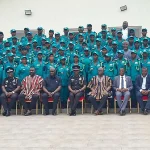

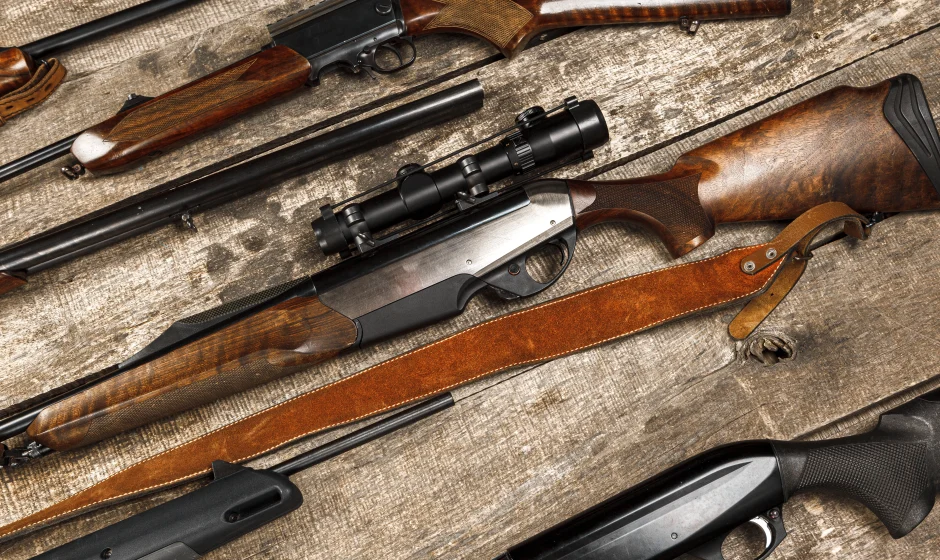

The Ministry of the Interior and the Ghana Police Service destroyed more than 2,000 surrendered and seized firearms on July 9, 2026, at a ceremony held at the Police Depot in Tesano, Accra. The event marked the eighth Arms Destruction Ceremony under Ghana’s National Gun Amnesty Programme and closed out a process that pulled thousands of unlicensed weapons out of circulation.
In plain terms: for eight weeks, gun owners across Ghana could hand in unlicensed firearms without facing arrest or prosecution. More than 4,000 weapons came in during that window. Roughly half have now been physically destroyed, while the rest remain under review for owners seeking to register them legally.
This matters beyond the ceremony itself. Ghana has moved from a voluntary compliance phase into what officials are calling full enforcement, with tighter licensing rules and more intelligence-led operations targeting illegal weapons. Anyone living in, visiting, or doing business in Ghana should understand what changed and what enforcement looks like going forward.
What Happened at the Destruction Ceremony
Chief of Staff Julius Debrah presided over the July 9 ceremony at the Ghana Police Training School and Police Depot in Tesano, Accra. He described the exercise as the close of the voluntary compliance period and the start of full enforcement of post-amnesty measures. Debrah said the destruction would prevent the diversion, misuse, and potential exploitation of the weapons by criminals, and he warned that anyone still holding an unlicensed firearm would face the full consequences of the law.
The destruction followed international protocols for permanently disabling firearms so they cannot be reassembled or reintroduced into circulation. Government said it will keep supporting security agencies with resources for intelligence-led operations aimed at identifying and retrieving illicit weapons across the country.
How the Gun Amnesty Programme Worked
The National Gun Amnesty Programme, themed “Silencing the Guns to Save Our Lives,” ran from December 1, 2025, to January 30, 2026. It let anyone holding an unlicensed firearm surrender or attempt to regularize it without arrest, interrogation, or prosecution. Interior Minister Muntaka Mohammed-Mubarak said 4,038 unregistered firearms were presented to police during that window, most of them locally described as pump-action guns, the majority imported into the country.
Not every surrendered weapon was destroyed. Some owners handed in firearms because they no longer wanted them. Others submitted weapons hoping to register them legally, often because a gun was registered in a relative’s name and the current holder wanted it transferred. Those firearms went through a separate assessment process rather than straight to destruction.
| Detail | Figure |
|---|---|
| Amnesty period | December 1, 2025 to January 30, 2026 |
| Total firearms surrendered | More than 4,000 |
| Firearms destroyed on July 9, 2026 | Over 2,000 |
| Destruction location | Police Depot, Tesano, Accra |
| Ceremony number | Eighth Arms Destruction Ceremony |
The programme was run jointly by the Ministry of the Interior, the National Commission on Small Arms and Light Weapons, the Ghana Police Service, the Ghana Armed Forces, and the National Security Council Secretariat.
What Full Enforcement Means Now
With the amnesty window closed, Ghana has shifted into what officials call the post-gun amnesty enforcement phase. In practice, that means security agencies are ramping up targeted searches, surveillance, and intelligence-led operations rather than relying on voluntary surrender. Deputy Interior Minister Ebenezer Okletey Terlabi said border surveillance is also being intensified to intercept firearms smuggled into the country, and that government is procuring metal detection equipment for security agencies.
The practical effect is straightforward: the grace period is over. Anyone found with an unlicensed firearm after January 30, 2026 no longer benefits from amnesty protections and can expect prosecution under Ghana’s firearm laws.
Stricter Rules for Legal Gun Owners
Alongside the destruction exercise, the Interior Ministry has revoked all existing private firearm licenses and ordered a fresh re-registration process. The minister linked this decision to concerns that licensed gun owners were misusing legally registered weapons, including a rise in suicide cases involving licensed firearms and an incident involving the Kantanka church that intensified public debate on gun control.
Under the new regime, anyone renewing or applying for a firearm license will need to complete a mental health assessment, undergo drug testing through the Narcotics Control Commission, and demonstrate competence through certified firearms handling training. The ministry has also banned private security organizations from possessing or operating firearms, citing Regulation 13 of the Police Service (Private Security Organisations) Regulations, 1992 (L.I. 1571). Officials said some security companies had been sidestepping the rule by having employees obtain personal protection permits, then pooling those weapons for commercial use, which is not permitted under Ghanaian law.
To improve traceability, locally manufactured firearms are now being marked with unique identification numbers so they can be tracked through the registration system.
Who This Affects
This policy shift touches several groups differently. Legal gun owners in Ghana, including licensed hunters, sport shooters, and personal protection permit holders, will need to go through the new screening process before their permits are renewed. Private security companies must remove firearms from daily operations entirely, since pooling personally registered weapons for commercial security work is no longer tolerated.
Traditional authorities who use firearms during customary ceremonies are not exempt either. The ministry said it will continue engaging chiefs and community leaders on how firearms are used during festivals and rites, since these events have historically involved gun use that falls outside standard licensing categories.
For the diaspora and returning residents considering firearm ownership in Ghana, whether for farm security, personal protection, or sport, the process is now considerably more involved than it was before January 2026.
What Readers Should Know
If you currently hold an unlicensed firearm in Ghana, the amnesty window has closed. Voluntary surrender no longer guarantees protection from prosecution, and security agencies have stated they are actively pursuing intelligence-led searches for illegal weapons.
If you hold a licensed firearm, expect your permit to require renewal under the new conditions, including a mental health assessment and drug screening. Details of exactly how and where to complete these steps have not yet been published, so gun owners should watch for official guidance from the Ministry of the Interior rather than relying on secondhand information.
If you run or work for a private security firm, firearms are no longer a lawful part of daily operations, regardless of how permits were previously structured.
Sources
- Citi Newsroom: “Gov’t destroys over 2,000 firearms following gun amnesty exercise” (July 9, 2026)
- Ghana News Agency: “Interior Ministry to destroy over 2,000 firearms on July 9”
- MyJoyOnline: “Over 2,000 firearms to be destroyed under Gun Amnesty Programme – Deputy Interior Minister”
- ModernGhana: “Interior Minister revokes all private firearm permits, orders re-registration”