

250 Things to Know Before Moving to Ghana
Table of Contents
- Legal Framework – Current Laws
- The Anti-LGBTQ Bill (Human Sexual Rights & Family Values Bill)
- Timeline of the Bill
- Government Position and Enforcement
- Safety and Social Climate
- Expat and Traveler Guidance
- International and NGO Responses
- Economic & Diplomatic Impact
- Risk Mitigation for Expats
- Sources
Ghana’s criminal code still punishes same-sex intimacy under the “unnatural carnal knowledge” clause, carrying up to three years in prison. A new Human Sexual Rights and Family Values Bill (often called the anti-LGBTQ Bill) passed Parliament in February 2024 but lapsed without presidential assent. It was reintroduced in March 2025 and again in February 2026.
If that sounds like legal noise, here is the real meaning: even without the new Bill, identifying as LGBT in Ghana carries serious risks. Police harassment, mob violence, and evictions are well documented. The proposed law would add jail time for simply “holding out” as LGBT or supporting an LGBT organization.
That matters for anyone planning to live in or visit Ghana. Foreigners are not immune. The U.S. State Department now advises LGBTQ+ travelers to “exercise increased caution” due to targeted crime. This guide explains the current laws, social climate, and practical steps to stay safe.
This guide does not take a position on Ghana’s laws or cultural values. It is intended as a practical reference for LGBT travelers and expats making informed decisions about safety.
Legal Framework – Current Laws
Ghana’s 1960 Criminal Offences Act (inherited from British colonial law) prohibits “unnatural carnal knowledge” in Section 104. Courts interpret this as anal sex (and possibly other non-vaginal acts). The maximum penalty is three years in prison. Female same-sex acts are not explicitly mentioned and are rarely prosecuted. Transgender identity is not specifically criminalized.
Convictions are almost unheard of, but arrests happen. Human Rights Watch notes “some evidence of enforcement in recent years, with LGBT people occasionally arrested.” The UK Home Office documented more than 50 arrests of LGBTI people between 2021 and 2023, sometimes where victims of violence were arrested instead of their attackers. Police have disrupted LGBT meetings and detained activists for weeks.
In custody, LGBT detainees face forced strip searches, being outed to inmates, and threats. The constitution guarantees privacy and dignity (Articles 15-18). In 2024, the Supreme Court dismissed two challenges to the Bill (filed by activist Richard Sky and legal researcher Amanda Odoi) as premature – since the Bill was not yet law.
Current vs Proposed Penalties
| Offense / Activity | Current Law – Criminal Offences Act (1960) | Proposed Bill “Human Sexual Rights & Family Values” |
|---|---|---|
| Male same-sex sexual acts | Illegal – up to 3 years’ prison (rarely enforced) | Up to 5 years’ imprisonment. Broadly criminalized. |
| Female same-sex sexual acts | Not explicitly mentioned; no known cases | Likely treated similarly (covered by “carnal knowledge” definition) |
| Living as LGBT / Identifying openly | No specific offense | Criminalized: “Holding oneself out” as LGBT – up to 3 years’ prison |
| Forming or funding LGBT groups | Not explicitly illegal (groups cannot officially register) | Up to 5 years’ imprisonment for forming, funding, or running LGBT organizations |
| “Promotion” / advocacy / information | Not illegal | Up to 10 years’ prison for any “propaganda, sponsorship, or support” of LGBT activities |
The Anti-LGBTQ Bill (Human Sexual Rights & Family Values Bill)
Parliament has repeatedly considered a sweeping anti-LGBT bill sponsored by a bipartisan group of MPs led by Sam Nartey George. Key provisions include criminalizing any person who “holds out” as LGBT (three-year penalty), banning support or funding of LGBT activities (five years), forbidding public display or advocacy, and even requiring people to denounce others. It also bans same-sex marriage and “gender-altering” medical procedures.
The Bill would expand punishments dramatically. Consensual same-sex acts would jump from three years to five. Simply identifying as LGBT or being an ally would be a three-year offense. Organizing or funding LGBT groups would bring five years. Doctors, teachers, and journalists who fail to report someone’s LGBT status could be prosecuted (per Human Rights Watch’s analysis of the bill text).
Timeline of the Bill
- August 2, 2021 – First reading introduced.
- February 28, 2024 – Third reading passed by Parliament after committee review.
- December 18, 2024 – Supreme Court dismisses constitutional challenges (Richard Sky and Amanda Odoi) as premature because Bill not yet law.
- January 7, 2025 – John Dramani Mahama inaugurated as President. In November 2025, he told the Christian Council he would sign the Bill if Parliament passes it again; his public position has since become less categorical, emphasizing it is a private member’s bill.
- March 6, 2025 – Bill reintroduced by ten MPs (Reuters confirms).
- February 17, 2026 – Parliament receives Bill for first reading in new session; referred to Constitutional and Legal Affairs Committee.
Former President Nana Akufo-Addo delayed signing the Bill in 2024 while awaiting Supreme Court rulings, stating he would not allow Ghana to “backslide on human rights and the rule of law.” President Mahama has taken a different stance: he pledged during his campaign to sign the Bill if passed, but as of April 2026 his government has not made it a priority, drawing criticism from some NPP members. On a March 2026 visit to the United States, Mahama emphasized that the bill was a private member’s bill, not government-sponsored, and invoked democratic process rather than taking a direct position on its provisions.
Government Position and Enforcement
Officially, the government does not target LGBT people beyond enforcing existing law. But in practice, human rights organizations and official reports have documented harassment, extortion, and arrests involving LGBT individuals. The U.S. State Department notes that parliamentarians have urged refusal of medical services to gay patients.
Victims of assault often fear reporting incidents because of police homophobia and corruption. There are credible reports of police officers bullying suspected LGBT people for extortion or framing them for other crimes. Law enforcement generally views homosexuality as suspect, so official protection is minimal.
As of April 2026, the Bill remains in committee. The Constitutional and Legal Affairs Committee has not yet issued a report. President Mahama has not publicly signaled when or whether he will push for a vote, but his campaign promise to sign has kept the bill’s passage a live possibility.
Safety and Social Climate
Ghanaian society is overwhelmingly hostile toward LGBT people. Afrobarometer data (2021) shows about 93% of Ghanaians would oppose having a gay neighbor – one of the highest rates of homophobia in Africa. Major religious bodies (Catholic, evangelical Pentecostal, Muslim leaders) publicly oppose LGBT equality. Only a few figures like Cardinal Peter Turkson have urged tolerance.
Physical attacks are well documented by human rights organizations including Human Rights Watch, which recorded numerous cases where LGBT individuals were assaulted by mobs or family members, sometimes with weapons or rape as “punishment.” Since 2021, reports of beatings, forced evictions, and gang violence have increased. Human rights organizations report that the Bill’s debate has coincided with an increase in attacks against LGBT individuals. Community shelters are virtually nonexistent.
Discrimination extends to employment, education, and housing. People have been evicted by landlords and denied jobs when “found out.” Healthcare access is especially problematic. UNAIDS warned the Bill could set back Ghana’s HIV response by a decade, and human rights groups have warned that a harsher legal climate could further reduce access to care for vulnerable communities.
Expat and Traveler Guidance
Ghana remains relatively stable for visitors, but LGBT-identifying foreigners should take serious precautions:
- Awareness: Review your country’s travel advisory. The U.S. State Department advises “exercise increased caution” due to crime and violence against LGBTQ+ people. Enroll in your embassy’s traveler program (e.g., STEP for U.S. citizens).
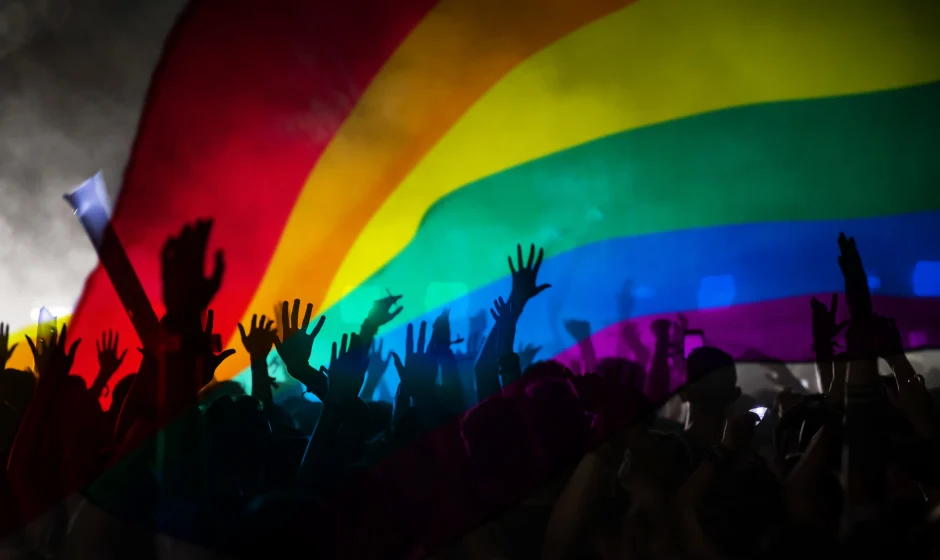
- Discretion: Do not be publicly “out” in Ghana. Avoid any display of same-sex affection in public. Do not display rainbow flags or LGBT symbols. Refrain from discussing your orientation on social media. Use generic terms like “partner” if needed.
- Housing: Choose safer areas like Cantonments, East Legon, or Airport City in Accra. See our Housing in Ghana guide for neighborhood breakdowns. Rent from reputable agencies. Keep a low profile as a tenant. Some expats live in multicultural compounds.
- Workplace: No legal protections against orientation discrimination. Avoid mentioning LGBT issues at work unless absolutely necessary.
- Socializing: LGBT-focused venues are virtually absent. Underground social groups exist but can be targets for raids. Use encrypted communication channels.
- Health: Identify trusted clinics ahead of time (UN-affiliated or international NGOs). Bring adequate supplies of any regular medication (HIV meds, hormones).
Do’s and Don’ts Quick Table
| Do (Recommended) | Don’t (Avoid) |
|---|---|
| Enroll in embassy traveler registration (STEP). Monitor local news. | Don’t display any LGBT symbols, flags, or write about sexuality on social media while in Ghana. |
| Research safe neighborhoods in Accra/Kumasi. Live in a secure building. | Don’t hold hands or kiss in public. Even gestures may provoke hostility. |
| Keep a low profile on social media. Use private mode. | Don’t attend known LGBT gatherings unprotected. Avoid activist events. |
| If partnered, use cover stories (“colleague” or “friend”). Book separate beds if needed. | Don’t report minor discrimination to authorities; it may attract attention. |
| Carry essential medicines with prescription. Bring extra supply. | Don’t assume local police will protect LGBT victims. Contact your embassy first. |
International and NGO Responses
UN human rights experts warned that the proposed Bill “establishes a system of State-sponsored discrimination” and called it a “recipe for violence.” Amnesty International and Human Rights Watch have repeatedly condemned it as draconian.
The U.S. State Department warned that passing such a law could jeopardize U.S. aid, though the effectiveness of that threat has diminished following deep cuts to USAID and PEPFAR in 2025. The European Parliament held debates urging Ghana not to enact the law and warned of consequences for bilateral trade and budget support. (AGOA is a U.S. program, not an EU mechanism.) Ghana’s own Finance Ministry calculated that signing the Bill could cost $3.8 billion in World Bank funding over five to six years.
Global travel advisories now explicitly flag LGBT safety. The U.S. Travel Advisory (April 2025) added a caution for “crime and violence against members of the LGBTQI+ community.” Canada similarly urges vigilance.
In May 2026, Ghana is set to host the African Inter-Parliamentary Conference on Family and Sovereignty in Accra – a platform that Human Rights Watch says has documented ties to U.S.-based conservative advocacy groups and has promoted Uganda’s Anti-Homosexuality Act as a model. Human Rights Watch has flagged this conference as a potential catalyst for further legislative action.
Economic & Diplomatic Impact
The Bill’s passage has raised concerns among Ghana’s international partners. U.S. officials previously warned of funding cuts; Ghana received about $211 million in U.S. aid in 2022. However, the Trump administration’s deep cuts to USAID and PEPFAR in 2025 have significantly reduced Washington’s leverage. Some EU member states have hinted that trade preferences and budget support could be reviewed. The tourism sector may see a downturn if Ghana gains a reputation as unwelcoming.
At the UN, Ghana’s election to the Human Rights Council in 2022 could be strained by the Bill’s enactment. Domestically, the issue has become politicized, with pro-business leaders warning of investor concerns if Ghana is seen as regressive.
Risk Mitigation for Expats
Stay informed via trusted news outlets like MyJoyOnline and Citi News. If comfortable, privately connect with LGBT-friendly expats or local NGOs (e.g., Rightify Ghana) for safe spaces. Avoid openly affiliating on social platforms.
Identify a local lawyer familiar with human rights law. In an emergency (arrest), consular officers can provide a list of attorneys. Use condoms/PrEP and get tested regularly. Maintain comprehensive travel insurance that covers emergency evacuation. Keep copies of relevant laws and advisories.
For more on staying safe in Ghana, read our Safety Tips for Visiting Ghana and Crime in Ghana: What Expats Should Know.
If you need personalized legal assistance in Ghana (including advice on discrimination, arrests, or immigration matters), consider reaching out to a qualified Ghanaian lawyer. Use the form below to get started:
Sources
- Afrobarometer: “Ghanaians united and tolerant – except toward same-sex relationships” (June 2021)
- Human Rights Watch: “Ghana’s Parliament Revives Dangerous Anti-LGBT Bill” (March 10, 2026)
- Reuters: “Ghana lawmakers reintroduce anti-LGBTQ legislation” (March 2025)
- Outright International: “Ghana’s Anti-LGBTQ Bill Clears Supreme Court Hurdle” (December 2024)
- Human Rights Watch: “No Choice but to Deny Who I Am” (January 2018)
- Amnesty International: “Ghana: Anti-LGBTQ bill stirs up hatred” (2021)
- OHCHR: “Ghana: Anti-LGBT draft bill a ‘recipe for violence'” (August 2021)
- U.S. State Department: Ghana International Travel Information
- 76 Crimes: “Ghana president pledges to sign repressive anti-LGBTQ bill” (November 20, 2025)