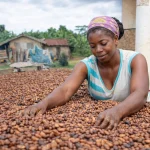



• Best sectors: Poultry, agro‑processing, cashew, horticulture exports.
• Minimum capital: Foreign investors: US$200,000 (joint venture) / US$500,000 (wholly owned). Start smaller? Wait for GIPC reform.
• Land: Lease only; safest route is government‑backed “agro‑production enclaves.”
• Tax: 0% corporate tax for up to 10 years for processing.
• Citizenship: No direct “investment for passport,” but substantial agribusiness can lead to naturalization after 5+ years.
• Biggest risk: Land title disputes. Never pay without a lawyer and a Lands Commission search.
Ghana’s agricultural sector is one of the most tangible wealth‑building opportunities in West Africa. It employs roughly 35‑40% of the national workforce, contributes about 20% of GDP, and Ghana spends an estimated US$2 billion or more annually importing food it could grow at home. That gap isn’t a problem, it’s the opportunity.
But here’s the real question investors ask me: “How much does it actually cost to start, and can it get me citizenship?”
This guide answers both. You’ll get a clear breakdown of startup costs, the exact steps to register, how to access land safely, and importantly, how agriculture investment can lead to Ghanaian citizenship. Whether you’re a foreign investor, a Ghanaian in the diaspora, or someone looking for a second home, this is your playbook.
Quick links (related guides):
- Ghana Cocoa Farming Industry (2026)
- Ghana Tomato Industry (2026)
- Ghana Foreign Investment Guide: The Essentials
- Step-by-Step Business Registration for Foreign Investors
- Can Foreigners Own Land in Ghana? The 50-Year Lease Rule
- Ghana Citizenship by Investment: The Legal Path
- Dual Citizenship Ghana: Everything You Need to Know
- Cost of Living in Ghana: 2026 Guide
Table of Contents
- Why Invest in Ghana Agriculture in 2026?
- The Key Investment Sectors (Where the Money Is)
- Startup Costs: How Much Do You Really Need?
- The Feed Ghana Programme: Your Government Partner
- Legal Framework for Foreign Investors (GIPC & Reform)
- Can Agriculture Investment Lead to Citizenship?
- Land Access and Tenure: How to Get It Right
- Tax Incentives and Rates (The Real Numbers)
- Financing and Credit Access (GIRSAL, ADB & More)
- How to Actually Move & Get Started (Step-by-Step)
- Real Risks to Know Before You Invest
- Investment Outlook Summary & Next Steps
Why Invest in Ghana Agriculture in 2026?
The question isn’t “if” you should invest in Ghanaian agriculture. It’s “why now?” The answer comes down to three things: the macroeconomy has stabilized, the government is actively courting you, and there’s a significant import gap waiting to be captured.
The economy is on a stronger footing. After years of volatility, Ghana’s economy grew somwhere between 4% – 7% in 2025, crossing the US$100 billion GDP mark. Inflation, while still a concern, has moderated significantly from the highs of 2023. The cedi saw a strong recovery in 2025, appreciating by around 40% against the US dollar over the course of the year, which helped stabilize input costs for agribusiness. (For a deeper look at what drives the economy, see our explainer on Ghana’s GDP.)
The government is making it easier. The Mahama administration’s “Feed Ghana Programme” is a four‑year, 22‑value‑chain agenda to transform agriculture. It aims to develop agro‑production enclaves with irrigation and infrastructure, establish 50 Farmer Service Centres, and boost agricultural lending. The President has also announced plans to amend the GIPC Act to reduce the minimum capital requirement, opening the door for smaller foreign investors. As of March 2026, this reform is in progress, but the signal is clear: Ghana wants you.
The opportunity is staring you in the face. Ghana imports hundreds of millions of dollars’ worth of food annually, poultry alone accounts for an estimated US$300‑400 million, despite having the land and climate to produce much of it. This is not a production problem; it’s an investment and infrastructure problem. If you can build a processing plant, a cold chain, or a commercial farm that competes with imports, the market is ready and waiting.
The Key Agriculture Investment Sectors in Ghana (Where the Money Is)
Not all agriculture is created equal. Here are the sectors with the most immediate potential, based on import data, government focus, and market demand. For a broader view of Ghana’s most profitable industries, check out our guide on industries in Ghana that make money.
Biggest Mistake Investors Make: “I’ve seen people fly in, meet a ‘chief’, pay cash for 50 acres, and disappear back to the US. Three months later, a different family shows up with a competing claim. No lawyer, no search, no legal paperwork. They lost everything.”, Real case from Accra High Court
Rule: Never pay for land without a lawyer and a Lands Commission search.
1. Poultry: The Multi‑Hundred‑Million‑Dollar Gap
This is the lowest‑hanging fruit. Ghana imports the majority of the chicken it consumes. The Feed Ghana Programme includes a “Poultry Farm‑to‑Table” initiative with government backing. Opportunities range from large‑scale broiler farms to feed mills and processing centers. The demand is there; the domestic supply is not.
2. Agro‑Processing & Cold Chain Infrastructure
This is the hidden gem. Post‑harvest losses are estimated at 30% or more across the broader agricultural sector. This is value literally rotting away. Investing in a tomato processing plant, a cassava starch factory, or a network of cold storage facilities can capture that lost value. The government offers the strongest tax incentives for this subsector.
3. Horticulture for Export (Mango, Pineapple, Avocado)
Ghana’s climate is ideal for fruits and vegetables. The demand from European markets for certified fresh produce is immense. With the right EU‑compliant farming and packing facilities, you can tap into a high‑value export market.
4. Cashew Processing
Ghana is a major producer of raw cashew nuts but exports most of them unprocessed. The value‑add opportunity in cashew processing for both domestic and export markets is significant.
5. Rice and Grain Milling
Ghana imports a huge amount of rice. The government wants to stop that. Large‑scale commercial production and modern milling operations are a priority under the Feed Ghana Programme.
Startup Costs: How Much Do You Really Need?
One of the most common questions is “How much capital do I need to start?” The answer depends entirely on what you’re doing and where. Below is a realistic estimate for three common entry points. These are not exact quotes—they are based on 2026 market rates, land lease assumptions, and equipment costs.
| Investment Type | Estimated Startup Cost (GHS) | USD Equivalent | GBP Equivalent | RMB Equivalent |
|---|---|---|---|---|
| Small‑scale farm (5–10 ha, crops) | GHS 300,000 – 600,000 | $26,000 – $52,000 | £20,000 – £40,000 | ¥185,000 – ¥370,000 |
| Medium agribusiness (poultry or horticulture, 20–50 ha) | GHS 1.5M – 3.5M | $130,000 – $300,000 | £100,000 – £230,000 | ¥925,000 – ¥2.15M |
| Processing facility (e.g., fruit juice, cassava) | GHS 3M – 10M+ | $260,000 – $870,000+ | £200,000 – £670,000+ | ¥1.85M – ¥6.2M+ |
Note: Exchange rates are indicative as of March 2026 (approx. GHS 11.5 = USD 1). Actual costs vary by location, scale, and infrastructure needs.
The Feed Ghana Programme: Your Government Partner
The Feed Ghana Programme (FGP) is a key government initiative that outlines where public resources and support are intended to flow. Aligning with it can mean fewer regulatory hurdles and potential access to government‑backed infrastructure.
The programme has nine pillars, three of which are especially relevant for investors:
- Infrastructure and Agro‑Production Enclaves: The government’s target is to develop 100,000 hectares of litigation‑free land with irrigation, roads, and warehouses. If you’re looking for a large land concession, this is the safest starting point.
- Innovative Agricultural Financing: The government is working to increase agricultural lending through GIRSAL (a credit guarantee scheme). Projects that meet certain criteria may benefit from easier access to finance.
- Feed the Industry: This sub‑programme aims to link farmers directly with agro‑processors, which can help secure raw material supply for processing facilities.
A word of caution: Programmes like this look strong on paper, but execution can vary by region and over time. Always verify the current status of any government‑promised infrastructure with the MoFA Agribusiness Unit before committing capital.
Your first step should be to visit the MoFA website and contact their Agribusiness Unit. They can help you understand how your project might fit within FGP.
Legal Framework for Foreign Investors (GIPC & Reform)
If you are a foreigner, the Ghana Investment Promotion Centre (GIPC) is your first and most important stop. You must register with them after incorporating your company. Here’s what you need to know.
Current Minimum Capital Requirements
As of March 2026, these are the rules. But remember, the government is actively working to reduce them, so check the GIPC website for the latest updates. For more context on the proposed changes, see our coverage of the GIPC minimum capital requirement update.
| Ownership Structure | Minimum Capital Requirement |
|---|---|
| Joint Venture (min. 10% Ghanaian equity) | US$200,000 (approx. GHS 2.3M, GBP 154,000, RMB 1.4M) |
| Wholly Foreign‑Owned | US$500,000 (approx. GHS 5.8M, GBP 385,000, RMB 3.6M) |
What’s Changing (The GIPC Reform)
President Mahama announced in August 2025 a plan to eliminate the minimum capital requirement entirely. The GIPC Amendment Bill, 2023, is currently in parliament. If passed, it will allow foreign investors to enter with a more flexible capital base, determined by the viability of their business plan rather than a fixed threshold. This would be a game‑changer for smaller investors.
Once registered, your company is entitled to automatic work and residence permits for key expatriate staff. This makes setting up your on‑the‑ground team much simpler. (Read our detailed guide on Ghana work permit requirements to understand the process.)
Can Agriculture Investment Lead to Ghanaian Citizenship?
This is the question that ties directly to your brand. The short answer is yes, but indirectly. There is no official “citizenship by investment” program in Ghana, unlike in the Caribbean. However, a substantial and sustained investment can be a strong basis for naturalization.
Ghanaian citizenship can be acquired by:
- Birth or descent (for those with Ghanaian parentage).
- Registration (for persons of African descent in the diaspora under the Right of Abode framework).
- Naturalization (for foreigners who have lived in Ghana for a continuous period, typically five years, and demonstrate a commitment to the country).
Under the Naturalization Act, 2000 (Act 591), one of the criteria the Minister of the Interior considers is “a substantial contribution to the economic development of Ghana.” A successful, job‑creating agribusiness fits that description perfectly. In practice, investors who have run a profitable farm or processing facility for several years and employed Ghanaians have been granted citizenship.
Your path: If citizenship is your goal, structure your investment to generate local employment, train Ghanaian staff, and operate for at least five years before applying. A good immigration lawyer can help you track your contributions to present a strong case. For more details, see our dedicated guides on Ghana Citizenship by Investment and Dual Citizenship. If you are a US citizen, you may also find our dual citizenship requirements for US citizens helpful.
Land Access and Tenure: How to Get It Right
Land is the most complex part of investing in Ghana. If you get this wrong, you can lose your entire investment. Here is the reality, not the theory.
For Foreigners: You cannot own freehold land. The constitution limits you to a 50‑year lease, which is renewable. You will most likely lease from a traditional authority (a chief or family) or the government. For a full breakdown, see our guide Can Foreigners Own Land in Ghana?
For Ghanaians (including those in diaspora): You can own freehold land, but the verification process is still vital. Multiple family members can claim ownership of the same plot. An independent search at the Lands Commission is not optional—it’s mandatory.
The Safe Route: Agro‑Production Enclaves
Here’s where the Feed Ghana Programme shines. The government is creating “agro‑production enclaves”, large, contiguous blocks of land with irrigation and infrastructure. Because the government has already vetted and secured the title to this land, it is the safest way for a foreign investor to get access. If you’re serious, contact MoFA’s Agribusiness Unit to ask about enclave allocations for your target commodity.
Your action item: Before you pay a cedi for any land, hire a qualified Ghanaian land lawyer. Have them conduct a full search at the Lands Commission. If the lawyer hesitates, find a new one. This single step can save you from years of legal battles. Our guide on the Ghana land title verification process walks you through exactly what to expect.
A real example: I worked with a European investor who paid a chief directly for a 20‑acre cocoa farm. No lawyer, no search. Six months later, three different families showed up with deeds claiming the same land. The investor lost everything. Don’t let this be you.
Tax Incentives and Rates (The Real Numbers)
This is where Ghana competes. The tax regime for agriculture is designed to attract you. Here’s what you can expect. For a more detailed breakdown of all corporate rates, see our Ghana corporate tax rates guide.
| Activity | Tax Incentive |
|---|---|
| Crop & Livestock Production | Tax holiday for up to 5 years, followed by reduced corporate rates. |
| Agro‑Processing (outside Accra/Tema) | 0% corporate tax for 5 years; operations in the north can pay 0% indefinitely. |
| Agro‑Processing (Free Zone) | 0% corporate tax for 10 years, then 15% thereafter. |
| Non‑Traditional Agricultural Exports | 8% corporate tax rate on export income. |
| Machinery & Equipment Imports | 0% import duty for registered agribusinesses. |
Profit Repatriation: You are fully guaranteed to repatriate your dividends and investment returns. Withholding tax on dividends is 8%, which can be reduced under tax treaties with the US, UK, and other countries.
Financing and Credit Access (GIRSAL, ADB & More)
Banks in Ghana have historically been cautious about lending to agriculture. The government has worked to address this through GIRSAL (Ghana Incentive‑Based Risk Sharing System for Agricultural Lending).
GIRSAL provides a partial credit guarantee to banks for agricultural loans. This means a bank may be more likely to lend to your project because their risk is partially covered. If you need commercial bank financing, it is wise to approach GIRSAL before you approach the bank; they can help you structure a project that qualifies for a guarantee.
The Agricultural Development Bank of Ghana (ADB) is another key resource. It is a specialist lender with products designed for agribusiness. For diaspora investors, you may also be able to access certain diaspora‑targeted investment bonds for qualifying projects. If you need to manage finances across borders, our guide on opening a Ghanaian bank account from the USA provides a step‑by‑step walkthrough.
How to Actually Move & Get Started (Step‑by‑Step)
Here’s the actionable, step‑by‑step guide that turns this article from a guide into a plan.
Step 1: Choose Your Entry Point
Decide if you will be a primary producer (farm) or an infrastructure player (processor, cold chain). The latter generally has lower land risk and higher tax incentives.
Step 2: Get On the Ground (Or Find a Local Partner)
You cannot do this from abroad. You either need to travel to Ghana or, if that’s not possible, find a trusted Ghanaian partner who can act as a local representative. The diaspora networks (e.g., the Ghanaian diaspora in the US or UK) are excellent starting points for finding credible partners.
Step 3: Register Your Business
This is a two‑step process: first, register with the Registrar General’s Department. Then, if you are a foreign investor, register with the GIPC. Our step‑by‑step business registration guide walks you through this.
Step 4: Secure Land (The Right Way)
Do not accept the first offer. Visit the site. Hire a land lawyer. Conduct a search. Or, go directly to MoFA’s Agribusiness Unit and ask to be placed in an agro‑production enclave.
Step 5: Structure for Tax Efficiency
Before you sign any papers, talk to a tax advisor. A processing plant in the Northern Region will have a radically different tax profile than a farm in the Eastern Region. Choose your location and corporate structure strategically.
Step 6: Talk to GIRSAL and ADB
If you need financing, engage these institutions early. They can help you design a bankable project.
Who This Guide Is For (and Who It’s Not)
To help you self‑select, here’s a quick filter:
This guide IS for you if:
- You have at least GHS 300,000 (approx. $26,000) to invest.
- You are willing to travel to Ghana or have a trusted local partner.
- You are a foreigner, Ghanaian diaspora, or African American exploring business and/or citizenship.
This guide is NOT for you if:
- You expect a passive, remote investment with no involvement.
- You are looking for a quick flip or short‑term speculative play.
- You are not prepared to navigate bureaucracy or engage local experts.
If the second list describes you, Ghana agriculture is probably not the right fit—and that’s okay. Better to know now.
Real Risks to Know Before You Invest
This section is about building trust. A balanced view of the risks makes your advice more credible.
Land Tenure Insecurity
This is the number one risk. Title disputes are common. The safe path is the government’s agro‑production enclaves. The risky path is buying from a middleman without a lawyer. If you skip due diligence on land, you are gambling with your money.
Infrastructure Gaps
Your farm or factory is only as good as the road that leads to it. Be prepared to invest in your own logistics. Budget for a generator, and factor in higher transport costs for getting goods to market.
Policy Implementation
Ghana has a history of well‑intentioned policies that are slow to be implemented. The GIPC reform is coming, but it’s not law yet. Do not plan your business around a policy that hasn’t been enacted.
Currency & Commodity Price Volatility
While the cedi stabilized significantly in 2025, it has experienced volatility in the past. If you have costs in USD and revenue in GHS, hedge your risk. Export‑focused businesses that earn USD have a natural buffer.
Another reality: Most first‑time investors overpay for land, sometimes by 30–50%, because they don’t understand local market rates. Engage a Ghanaian appraiser or a reputable real estate firm. The extra upfront cost will save you thousands.
If you need personalized legal assistance with land acquisition, business registration, tax structuring, or citizenship pathways, consider reaching out to a qualified Ghanaian lawyer. Use the form below to get started. (You can also read our guide on how to find a lawyer in Ghana and what immigration lawyers charge.)
Investment Outlook Summary & Next Steps
Ghana’s agricultural sector is not just an opportunity; it’s a necessity for the country’s economic future. The government has rolled out a comprehensive programme to support it, and for the investor who is willing to do their due diligence, engage with the right partners, and follow the available roadmaps, the potential returns are significant.
Your Next Step, Based on Your Stage
Beginner / Just Exploring: Start with our Foreign Investment Guide and Cost of Living in Ghana to understand the broader landscape.
Ready to Invest: Contact a Ghanaian land lawyer and tax advisor. Use the form above to get a referral. Also read our Business Registration Guide for a detailed checklist.
High‑Net‑Worth / Strategic: If you are considering a large‑scale investment (US$1M+) and are interested in citizenship pathways, contact us directly. We can connect you with vetted legal and investment advisors who specialize in high‑value agriculture projects and citizenship planning.
The window for early‑mover advantages in the Feed Ghana Programme is now. The land is ready. The policy is in place. The opportunity is yours to take.
Sources
- Ministry of Food and Agriculture: Feed Ghana Programme
- Ghana Investment Promotion Centre (GIPC)
- Ghana Revenue Authority: Business Tax Exemptions
- US Department of State: 2025 Investment Climate Statement, Ghana
- US International Trade Administration: Ghana Agribusiness Transformation Program
- Naturalization Act, 2000 (Act 591)
Compliance note: All money transfer services must be licensed by the Bank of Ghana.