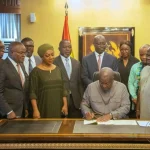

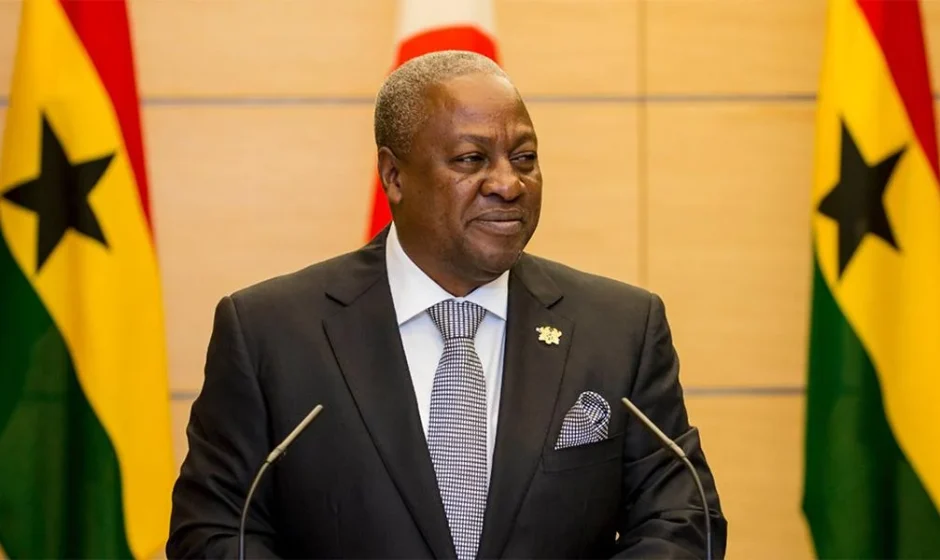

On May 11, 2026, President John Dramani Mahama assented to the Value for Money (Public Procurement) Office Bill, 2026, officially making it law.
If that sounds like another layer of bureaucracy, here is the real meaning: Ghana is creating a dedicated watchdog with the legal teeth to review major government contracts before they are signed, not after. The new office can cancel or renegotiate any deal it deems wasteful or overpriced.
That shift matters because for years, government procurement has been a black box. Contracts get approved, money leaves the treasury, and citizens are left with overpriced projects or shoddy work. This new law aims to pull back the curtain and give the state a formal mechanism to say “no” before the damage is done.
250 Things to Know Before Moving to Ghana
Quick links (related guides):
What the Value for Money Office Bill Does
The new law establishes a Value for Money Office as an independent body within the Ministry of Finance. Its core job is to assess major public procurement contracts and issue a binding “value for money certificate.” No certificate, no contract.
That is a significant change. Previously, the legal division of the Ministry of Finance was responsible for conducting value for money assessments. The new office removes that function from an internal division and gives it to a dedicated, semi-independent body.
The bill, which contains 67 clauses, was laid before Parliament on February 24, 2026 and passed on March 25, 2026. It gives the office the power to engage its own technical experts. If a ministry says a road project requires a specific type of asphalt at a specific price, the Value for Money Office can hire an independent engineer to verify the claim.
Why This Matters for Government Spending
Ghana has a long history of public procurement scandals. In a 2018 report, the Auditor-General identified GHS 5.4 billion in what then-President Akufo-Addo described as “fictitious claims” paid to contractors for work not done or as double payment. That single finding, covering liabilities as of December 31, 2016, illustrates the scale of the problem.
The Value for Money Office is designed to stop those irregularities at the source. Instead of auditing after the money is gone, the office reviews before the payment is authorized. That is the critical difference, and it is why the bill has received broad support from civil society groups and anti-corruption advocates.
That said, the bill has its skeptics. Some worry that the office could become a bottleneck, delaying critical infrastructure projects. Others question whether it will have enough political insulation to challenge powerful ministers or well-connected contractors. The law’s effectiveness will ultimately depend on who leads the office and how much real independence it is given.
How the Value for Money Office Will Work
The office will be headed by a Value for Money Officer, appointed by the President with parliamentary approval. The position comes with a fixed term and protected tenure, similar to the Auditor-General, which is meant to shield it from political pressure.
The law creates two distinct triggers for review. First, all single-source procurement contracts (where the government awards a deal without competitive bidding) must go through the office for a value for money certificate regardless of value. Second, any public contract that meets a specified financial threshold, estimated by the Ministry of Finance at $10 million (approximately GHS 112 million), must also obtain a certificate. That includes competitively tendered contracts above the threshold.
Here is how the process will work in practice:
First, a ministry or public agency prepares a tender for a major contract. Before issuing the award, it submits the full contract file to the Value for Money Office. The office then benchmarks the proposed costs against regional and international data. It can request additional documentation, interview bidders, or commission independent assessments. If satisfied, it issues a value for money certificate. If not, it sends the contract back with specific recommendations for renegotiation or cancellation.
The law exempts contracts related to national security and certain emergency procurements, but all other major deals (including infrastructure, consulting, and supplies) fall under the office’s purview.
The office is expected to become fully operational by January 2027, according to the Finance Minister, Dr. Cassiel Ato Forson.
Note: Official processing times for reviews have not been announced. Based on similar offices internationally, businesses may need to plan for an additional 30 to 60 days for value for money assessments, but this is an editorial estimate, not a government guarantee.
Impact on Businesses and Contractors
If you are a business owner, contractor, or investor bidding on government work, the new law changes the game. You now have an additional approval layer to navigate. That means potentially longer timelines between bid submission and contract signing.
On the flip side, the law could benefit honest businesses. When the government is forced to justify every cost, the playing field levels. Contractors who rely on political connections or inflated pricing will struggle. Those who offer fair, market-based rates will have a better chance.
The funny thing is that some foreign investors may see this as a positive signal. A government that voluntarily submits its own contracts to independent review is signaling a commitment to transparency. For US, UK, and Chinese companies accustomed to due diligence requirements, the Value for Money Office could reduce the risk of corruption-related delays or contract cancellations later on.
Still, there are practical concerns. The office is new, and its procedures are not yet finalized. Businesses should build flexibility into their bid timelines and budgets. It is also wise to ensure your pricing is thoroughly documented and benchmarked. If you cannot explain why something costs what it costs, the Value for Money Office will likely send it back.
If you need help navigating contract reviews or preparing bids for the Ghanaian public sector, consider speaking with a local procurement lawyer.
Need legal advice on government procurement or contract bidding? Use the form below to reach qualified legal professionals in Ghana:
The Practical Impact for Citizens
For the average Ghanaian, the Value for Money Office will not be visible. You will not walk into its office or fill out its forms. But the effects should eventually reach your daily life.
A road project that used to cost 100 million GHS might now cost 80 million GHS because the office flagged inflated asphalt prices. A hospital construction that used to produce cost overruns might now stay on budget because every change order must be reviewed. Over time, that translates to more infrastructure for each cedi collected in taxes.
What this means is that the law is not a silver bullet. It creates a mechanism, but the culture of public procurement will take years to shift. The office needs skilled staff, reliable data, and genuine political backing. Without those, it becomes another stamp on a piece of paper.
Even so, the bill is a meaningful step. Ghana has had anti-corruption laws and watchdog bodies before, but few with this specific pre-approval mandate. The Value for Money Office represents a bet that prevention is cheaper than cure.
Get the comprehensive guide:
543 Business Ideas to Start in Ghana
Sources
- Graphic Online: “President Mahama assents to Value for Money Office Bill” (May 11, 2026)
- MyJoyOnline: “Parliament passes Value for Money Bill 2025” (March 25, 2026)
- Parliament of Ghana: Value for Money (Public Procurement) Office Bill, 2026 – Legislative Alert
- GhanaWeb: “Akufo-Addo: GHS 5.4 billion fictitious contract claims – The real story” (February 8, 2018)
- 3News: “Mahama assents Value for Money Office Bill 2026” (May 11, 2026)