

Malaria is a serious, sometimes fatal, disease transmitted by mosquitoes. For travelers heading to Ghana, it is a significant health consideration.
If you are planning a trip to Ghana, you might feel concerned. Here is the reality: malaria is prevalent in Ghana, but it is also highly preventable and treatable. The risk does not mean you should cancel your trip. It means you need a clear, actionable plan before you go.
This matters because taking the right precautions—like choosing the correct medication and using mosquito avoidance measures—is the difference between a safe, enjoyable journey and a medical emergency. This guide provides the information you need, grounded in official health sources.
Understanding the Malaria Risk in Ghana
Malaria is transmitted by the female Anopheles mosquito, which bites primarily from dusk to dawn. In Ghana, the disease is endemic, meaning it is consistently present throughout the country. According to the U.S. Centers for Disease Control and Prevention (CDC) and the World Health Organization (WHO), malaria risk is present in all areas, including urban centers like Accra and Kumasi.
Plasmodium falciparum is the most severe and potentially life‑threatening form of malaria. This fact underscores why prevention is not just a recommendation but a necessity.
The risk is highest during and immediately after the rainy seasons. In southern Ghana, there are two main rainy seasons: one from May to June (with the heaviest rainfall in June) and another from September to October. Northern Ghana has a different rainfall pattern, typically with one longer rainy season. Transmission rates increase significantly during these periods when mosquito breeding grounds expand.
Core Prevention Strategies: The “ABCDE” Approach
International health authorities, including the CDC and the UK’s National Health Service (NHS), advocate a five-pronged strategy known as the “ABCDE” of malaria prevention. This framework is your best defense.
Awareness of Risk
You are taking the first step now. Understand that malaria exists, learn about the symptoms (fever, chills, headache, muscle pain), and recognize that it can progress rapidly. This awareness ensures you will take the other steps seriously and seek help promptly if symptoms appear.
Bite Prevention (Avoid Mosquito Bites)
This is your most effective line of defense. No medication is 100% effective, so preventing bites is critical.
Here are the recommended methods, as advised by the Ghana Health Service and the WHO:
- Use insect repellent: Apply a repellent containing at least 20% DEET, picaridin, or IR3535 to exposed skin. Reapply according to the product label.
- Sleep under a mosquito net: Use a long-lasting insecticidal net (LLIN), especially if your accommodation is not fully air-conditioned or screened. Ensure the net is tucked in and has no holes.
- Wear protective clothing: Wear long-sleeved shirts and long pants, especially during evening and nighttime hours when Anopheles mosquitoes are most active.
- Use air conditioning and screens: If available, stay in rooms with air conditioning or well-fitted window and door screens to create a mosquito-proof barrier.
Chemoprophylaxis (Take the Right Medication)
This means taking antimalarial drugs to prevent infection. You must start the medication before you travel, take it while in Ghana, and continue for a specified period after leaving the malaria-risk area. The choice of medication is a critical decision that should be made with a travel health specialist or your primary care physician. We cover this in detail in the next section.
Diagnosis (Seek Immediate Help for Symptoms)
If you develop a fever or flu-like symptoms while in Ghana or up to a year after returning home, seek medical attention immediately. Malaria can be diagnosed with a simple finger-prick blood test (rapid diagnostic test or microscopy). Do not assume it is the flu. Prompt diagnosis and treatment are essential for a full recovery.
Eradicate Mosquitoes in Your Environment
While less critical for a short-term traveler, you can help reduce risk by ensuring your living space is free of standing water (where mosquitoes breed) and using insecticide sprays or coils in your room.
Antimalarial Medication: What to Take
Selecting the right antimalarial medication is a medical decision. The table below summarizes the options commonly recommended by the CDC for travelers to Ghana. You must consult a travel health specialist or your primary care physician to determine which option is best for you, based on your medical history, potential side effects, and personal preferences.
Methodology Note: The information below is derived from the CDC’s 2024 Yellow Book and WHO’s Guidelines for Malaria. All options are considered highly effective against P. falciparum when taken correctly.
| Medication | Typical Regimen | Pros | Cons / Key Considerations |
|---|---|---|---|
| Atovaquone-Proguanil (Malarone) | Daily, starting 1-2 days before travel, daily while in area, and for 7 days after leaving. | Well-tolerated, few side effects, short post-travel course. | Daily dosing; can be more expensive. Not for use during pregnancy or by breastfeeding mothers of infants under 5 kg; not for people with severe renal impairment. |
| Doxycycline | Daily, starting 1-2 days before travel, daily while in area, and for 4 weeks after leaving. | Inexpensive, also offers protection against other infections (e.g., some tick-borne diseases). | Can cause sun sensitivity (photosensitivity) and gastrointestinal upset; not suitable for pregnant women or children under 8. |
| Mefloquine (Lariam) | Weekly, starting 1–2 weeks before travel; starting 2 weeks before is advisable to assess tolerability before departure. Continue weekly while in area and for 4 weeks after leaving. | Once-weekly dosing; long history of use. | Potential for neuropsychiatric side effects (vivid dreams, anxiety, depression); not suitable for individuals with certain mental health conditions. |
| Tafenoquine (Arakoda) | Daily loading dose for 3 days before travel, then weekly during travel, and a single dose after leaving. | Simplified weekly dosing; short post‑travel course. | Must be tested for G6PD deficiency before use; not for use during pregnancy or breastfeeding; for adults 18+ only. |
Important Note: Chloroquine is not effective in Ghana due to widespread resistance. Do not rely on it for prevention.
When you purchase your medication, costs will vary. For example, a course of Malarone for a two-week trip can cost approximately GHS 1,200 (USD 100, GBP 78, RMB 720). Doxycycline is significantly cheaper, often around GHS 120 (USD 10, GBP 8, RMB 70). These are indicative market estimates. Actual prices depend on the pharmacy, insurance coverage, and whether generic versions are available. Always check with your local pharmacy or travel clinic.
What to Do If You Get Sick
Despite your best efforts, it is possible to contract malaria. The key is to act fast.
If you develop a fever, chills, severe headache, or muscle aches while in Ghana, do not wait. Self-medication with leftover medication is dangerous. Here is what to do:
- Get Tested Immediately: Visit a reputable clinic, hospital, or a well-stocked pharmacy. Rapid Diagnostic Tests (RDTs) are widely available and provide results in 15-20 minutes. The cost for a test is typically GHS 100-200 (approx. USD 8-16).
- Confirm the Diagnosis: A positive test confirms malaria. If the test is negative but symptoms persist, seek a second opinion or a more detailed blood test (microscopy).
- Follow Prescribed Treatment: If you test positive, a doctor will prescribe a course of antimalarial treatment. The standard first-line treatment in Ghana for uncomplicated malaria is artemisinin-based combination therapy (ACT), such as Artemether-Lumefantrine (Coartem). In October 2025, Coartem Baby was launched in Ghana, the first approved treatment for infants weighing 2 to less than 5 kilograms, closing a critical gap in care. Complete the full course as prescribed.
Ghana has a well-developed network of hospitals and clinics in major cities. In Accra, facilities like the Korle-Bu Teaching Hospital or Nyaho Medical Centre are equipped to handle malaria cases. Travel insurance that covers medical evacuation is highly recommended to give you peace of mind.
If you are planning an extended stay or moving to Ghana and need guidance on health insurance or navigating the local healthcare system, consider reaching out to a qualified advisor. For legal matters related to residency or citizenship, a Ghanaian lawyer can provide personalized assistance.
Common mistakes travelers make with malaria prevention
- Assuming malaria is only a risk outside major cities — it exists everywhere in Ghana, including Accra and Kumasi.
- Starting antimalarial medication too late or stopping it too early after leaving Ghana.
- Relying only on medication and ignoring mosquito bite prevention (nets, repellent, long sleeves).
- Waiting to see if a fever “goes away” instead of getting tested immediately.
- Buying antimalarials in Ghana without confirming they are the correct preventive type (some drugs sold are for treatment only).
Avoiding these mistakes can mean the difference between a safe trip and a serious illness.
Other health requirements: Yellow fever vaccine
While malaria prevention is critical, Ghana also requires proof of yellow fever vaccination for entry. This is a separate requirement that travelers often confuse with malaria.
Key points about the yellow fever vaccine:
- Required for all travelers aged 9 months and older. Children under 9 months are generally exempt.
- Ghana requires proof of vaccination for arriving travelers. If you are transiting without leaving the airport, the requirement may be interpreted differently depending on your itinerary and airline. It is best to confirm with your airline and the Ghana Immigration Service before travel.
- The official yellow card (vaccination certificate) must be signed and stamped by an authorized clinic. Carry your original yellow card with you; while digital copies are not mentioned in official rules, the safest approach is to have the physical certificate.
- The vaccine is considered valid for life; boosters are not required for most travelers.
For full details, see our complete guide: Ghana Vaccine Requirements (2026).
Frequently Asked Questions
Do I need to take malaria pills for a short trip to Accra?
Yes. The CDC and WHO recommend antimalarial medication for all travelers to Ghana, regardless of the city or duration of stay, because the risk is nationwide.
Is there a malaria vaccine?
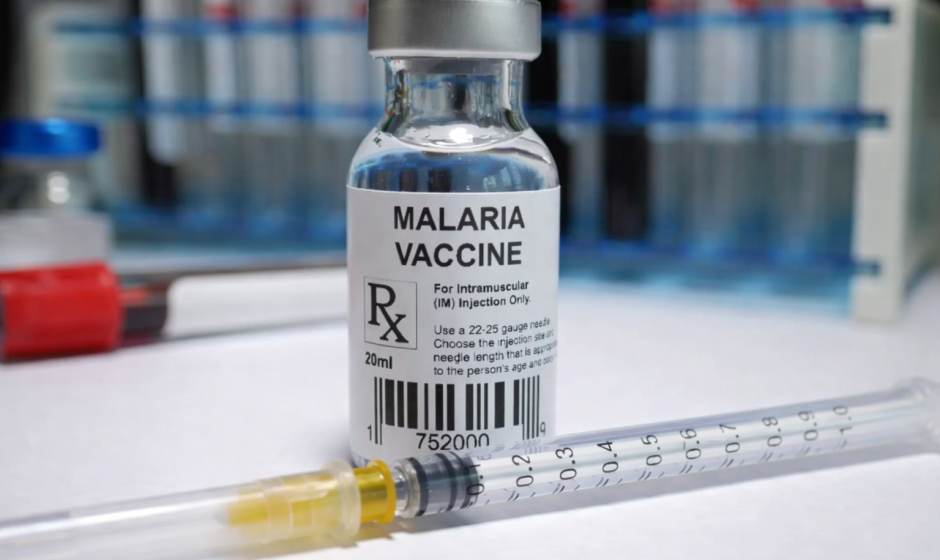
Yes, but not for adult travelers. Ghana, along with other African countries, now administers malaria vaccines to children from around 5 months up to 36 months of age, depending on the vaccine. The RTS,S vaccine reduces clinical malaria by approximately 39% over multi‑year follow‑up, while the R21/Matrix‑M vaccine has shown efficacy of 75–77% in phase 3 trials. Both vaccines reduce cases by more than 50% in the critical first year after vaccination. However, they are not a substitute for preventive medication in adult travelers. For adults visiting Ghana, chemoprophylaxis (taking antimalarial drugs) remains the recommended standard of care.
Can I buy antimalarials in Ghana without a prescription?
While some medications like ACTs for treatment are widely available over the counter, it is strongly advised that you obtain your preventive medication from your home country before travel. This ensures you get the correct, unexpired, and properly dosed medication from a trusted source and allows you to start the regimen on time.
Related Ghana guides:
- Medical Care in Ghana: What Expats and Travelers Should Expect
- Ghana Hospitals Ranked by Locals: Where to Go in an Emergency
- Top Items to Bring When Traveling to Ghana (Avoid Common Mistakes)
- Ghana Safety & Relocation Guide: What to Know Before You Move
- Medical Insurance for Ghana: Best Options for Expats and Travelers
Sources & Methodology
Methodology: This guide was compiled using a source hierarchy prioritizing official government and international health bodies. Tier 1 sources (CDC, WHO, Ghana Health Service) formed the foundation for all risk assessment, prevention strategies, and medication recommendations. Tier 2 and 3 sources (e.g., major travel clinics, peer-reviewed journals) were used only to supplement general information or provide market context for pricing, which is clearly indicated as an estimate.
- U.S. Centers for Disease Control and Prevention: “Malaria Information and Prophylaxis, by Country [Ghana]” (Updated 2025)
- World Health Organization: “Malaria” Key Facts (2025)
- Ghana Health Service: “Malaria Control Programme” (2026 Overview)
- NHS (UK) Fit for Travel: “Ghana” (February 2026)