

250 Things to Know Before Moving to Ghana
Quick links (related guides):
Table of Contents
- Quick Answer: Who Is This For?
- What Ghanaian Citizenship by Naturalization Means
- Who Is Eligible (2026 Requirements)
- Required Documents Checklist
- Step-by-Step Application Process
- Timeline & Why Delays Happen
- Costs & Fees (2026 – Two Official Schedules)
- Hidden Challenges in the Process
- Dual Citizenship: What You Need to Know
- Naturalization vs Right of Abode: Key Differences
- Benefits of Becoming a Ghanaian Citizen
- Cultural Integration & Community Perception
- Personal Stories from Naturalized Citizens
- Practical Tips for Applicants
- Frequently Asked Questions
- Sources & Official References
Quick Answer: Who Is This For?
Ghana citizenship by naturalization is for foreigners who have made Ghana their long-term home and want to become full citizens. You typically need 5 years of residency (within the previous 7 years), including 12 continuous months immediately before applying, plus proof of good character, ability to speak an indigenous Ghanaian language, and a genuine commitment to the country.
Here is what that actually means: naturalization is not automatic. It is a discretionary grant ultimately approved by the President. Meeting the legal requirements does not guarantee approval, but it gets your foot in the door. The government wants to see that you have truly integrated, contributed, and intend to stay permanently.
That matters because Ghana allows dual citizenship. You generally do not have to give up your original nationality. But the process takes time, officially 6 months for processing (upon receipt of a complete application), though real-world delays can stretch it to a year or more. Patience is not optional; it is the price of entry.
What Ghanaian Citizenship by Naturalization Means
Naturalization is the legal process by which a foreign national becomes a Ghanaian citizen. Unlike citizenship by birth or descent, which you either have or do not, naturalization is something you actively apply for and must qualify for.
Once granted and you have taken the Oath of Allegiance, naturalized citizens generally enjoy the same rights and responsibilities as native-born Ghanaians: a Ghanaian passport, the right to vote, and the freedom to live and work in Ghana without immigration restrictions. However, some high-level public offices may have additional constitutional eligibility rules, so it is worth checking specific positions if that matters to you.
The good news: Ghana allows dual citizenship. You usually do not have to renounce your original nationality to naturalize. But the dual citizenship process is separate from naturalization itself, more on that later.
Who Is Eligible (2026 Requirements)
Under Ghana’s Citizenship Act 2000 (Act 591) and current Ministry of Interior guidelines, you must meet all of the following to be eligible to apply for naturalization (via Form 5):
- Long-term residency: You must have lived in Ghana for at least 5 years (in total) out of the last 7 years, and 12 months continuously immediately before submitting your application. Keep careful records of your entry and exit dates; any major gap can reset the clock.
- Valid residence permit: At the time you apply, you must hold a current residence permit (or indefinite residence) allowing you to live in Ghana legally.
- Good character: No serious criminal convictions. You will need to provide a police clearance certificate from Ghana; additional foreign police clearance may be requested depending on your circumstances. The Ministry also expects two well-respected Ghanaians (notaries public, lawyers, or senior public officers) to vouch for your character in writing using Sponsor Form 14.
- No imprisonment sentence: You must not have been sentenced to any period of imprisonment in Ghana or elsewhere for an offence recognized by Ghanaian law.
- Indigenous language ability: You must be able to speak and understand at least one Ghanaian language (Twi, Ga, Ewe, Fante, etc.). This is not an optional nicety, it is a hard requirement that may be assessed during an interview or informal conversation.
- Substantial contribution to Ghana: You must have made, or be capable of making, a substantial contribution to the progress or advancement in any area of national activity. This can be through employment in a critical field, investing in a business, creating jobs, or active community service.
- Assimilation into Ghanaian way of life: You need to show that you have already been assimilated into Ghanaian society, or that you can easily become so. That means more than just living here: participating in community life, observing local customs, and not isolating yourself in a “foreigners’ bubble.”
- Intent to stay permanently: You must declare that you intend to reside in Ghana indefinitely once citizenship is granted.
On paper, these rules are clear. In practice, some of them, like “assimilation” and “substantial contribution,” are subjective. That is where many applicants run into trouble.
Required Documents Checklist
According to the Ministry of Interior’s official naturalization page (source), you must submit:
- Completed Naturalization Form 5 (purchased from the Ministry)
- Sponsor Form 14 (completed by your two Ghanaian referees)
- An application letter addressed to the Honourable Minister for the Interior
- Copy of your residence permit (current page) or indefinite residence permit
- If applying as a business owner/investor: Certificate to Commence Business, Company Code, Certificate of Incorporation, Audited Accounts, current Tax Clearance Certificate, current SSNIT clearance
- Copy of landed property (indenture) if applicable
- Copy of passport (bio-data page)
- Four (4) passport-sized photographs with white background
- Police clearance certificate from Ghana; additional foreign police clearance may be requested depending on your circumstances
Tip: Keep copies of everything. Ghanaian bureaucracy has a way of “misplacing” documents. Submit a complete, organized file from the start to reduce back-and-forth delays.
Step-by-Step Application Process
The process generally involves purchasing the forms, submitting the application to the Ministry, background review and due diligence, and presidential approval; successful applicants are then notified of the next steps, including any oath or certificate issuance procedures.
- Purchase Form 5 and Form 14: Obtain the naturalization application form and sponsor form from the Ministry of Interior in Accra, or from a Ghanaian diplomatic mission abroad. Do not rely on third-party “agents” selling forms at inflated prices, go to the official source.
- Complete the forms and gather documents: Fill out every section carefully. Incomplete or inconsistent answers will trigger delays or outright rejection. Have your two Ghanaian sponsors fill out Form 14.
- Submit your application: File the completed forms and all attachments with the Ministry of Interior. Keep a dated receipt or acknowledgment if possible.
- Review and background checks: Ministry officials vet your documents, conduct due diligence, and may send officers to verify your residence or interview your sponsors. This stage takes the longest.
- Ministerial recommendation: The Minister of Interior reviews your file and makes a recommendation.
- Presidential approval: The President of Ghana grants naturalization by signing off. Naturalizations are typically approved in batches, so your timing may depend on when the next batch is processed.
- Citizenship ceremony and Oath of Allegiance: Successful applicants attend a swearing-in ceremony, take the Oath of Allegiance, and receive their citizenship certificate. This is the moment you officially become a Ghanaian citizen.
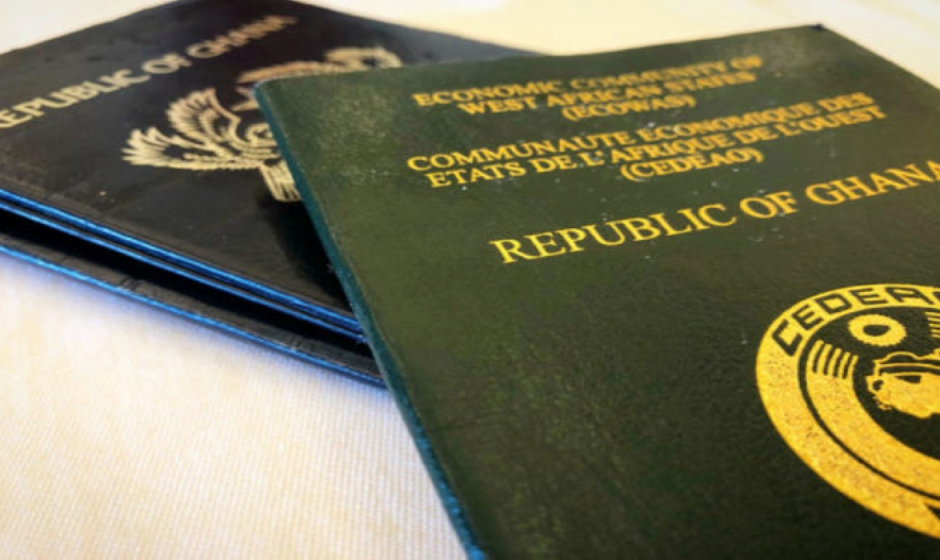
You should apply for a Ghanaian passport only after you have been granted citizenship and received the relevant citizenship documentation. The citizenship certificate alone is not a travel document.
Timeline & Why Delays Happen
The Ministry of Interior states an official processing timeframe of six months upon receipt of duly completed forms (source). In reality, it often takes longer, sometimes a year or more.
Why? Several factors:
- Multiple review layers: Your file goes through several desks at the Ministry, plus background checks by Ghana Immigration Service. Each step has its own pace.
- Batch processing: Final approval by the President usually happens in groups. If you just missed a batch, you might wait months for the next one.
- Incomplete or sloppy applications: If any required document is missing or needs verification, the Ministry will pause your file until you resubmit. That resets your place in line.
- General bureaucratic backlog: Ministries get overwhelmed. Files can sit on a desk awaiting a signature for weeks. Polite follow-ups can help, but do not expect daily progress updates.
Timeline tip: Mentally prepare for at least 12 to 18 months from application to citizenship certificate. Hope for faster, but do not plan your life around it.
Costs & Fees (2026 – Two Official Schedules)
This is where applicants must be careful. The Ministry of Interior currently maintains two different fee references online:
- Older naturalization service page lists Form 5 at GH¢7,758 (source).
- Newer consolidated Fees & Charges schedule (L.I. 2512, 2025) lists higher naturalisation fees by applicant category (source):
| Applicant Category | Fee (GH¢ or USD equivalent) |
|---|---|
| ECOWAS Citizens | GH¢15,000 |
| Africans / Diaspora (non-ECOWAS) | GH¢25,000 |
| Non-Africans | Cedi equivalent of US$25,000 |
The Ministry currently shows conflicting fee references online, so applicants should verify the applicable fee directly with the Ministry before paying.
What you should do: Before paying anything, contact the Ministry of Interior directly to confirm which fee applies to your specific category. Use only official channels. Do not rely on third-party summaries.
For the Historic Diaspora Community pathway, BBC reporting in February 2026 said the process had been suspended and cited reported fees of $136 for initial application and $2,280 for shortlisted candidates; applicants should verify the current status and any fees directly with the Ministry or official portal before applying.
Critical warning: Fees change without notice. Always verify current charges directly with the Ministry of Interior before submitting payment. Applicants should use only official channels and never accede to any request for unofficial “facilitation” payments. If someone asks for extra money outside the official fee structure, walk away and report it.
Hidden Challenges in the Process
On paper, naturalization looks straightforward. Here is what the official guidelines do not tell you.
The vagueness problem. Terms like “assimilated into Ghanaian way of life” and “substantial contribution” are subjective. Different Ministry officials may interpret them differently. You might need to go beyond the bare minimum, joining local associations, participating in community events, even adopting a Ghanaian name, to convince reviewers that you belong.
Discretionary approval. Meeting all legal requirements does not guarantee citizenship. The Minister and President have discretion to approve or deny. Personal connections and credible endorsements from respected Ghanaians can make a meaningful difference.
The waiting game. Many applicants underestimate the emotional toll. You might submit everything and then hear nothing for six months or a year. During that time, you are in limbo, invested in Ghana but not yet fully accepted. This uncertainty is one of the hardest parts of the journey.
Lost documents and resets. Do not be surprised if a document you already provided gets “misplaced” and you are asked to submit it again. Stay organized. Keep copies of everything. If the Ministry asks for the same document twice, provide it again without argument, fighting the system only slows you down.
Knowing these challenges upfront will not eliminate them, but it will help you prepare mentally and strategically.
Dual Citizenship: What You Need to Know
Ghana permits dual citizenship under the Citizenship Act 2000 (Act 591). You generally do not have to renounce your original nationality to become a Ghanaian citizen. However, there are important nuances.
First, whether you can keep your original citizenship also depends on the laws of your home country. Some nations, e.g., Japan and China, do not recognize dual citizenship. Check your home country’s rules before assuming you can hold both passports.
Second, dual citizenship is a separate registration process. If you are eligible for dual citizenship, registration is done on Form 10 at the Ministry of Interior or at a Ghanaian diplomatic mission; naturalization and dual-citizenship registration are separate processes. Required documents include copies of bio-data pages of both Ghanaian and foreign passports, four recent passport-sized photographs, and, if applicable, a copy of your foreign naturalization certificate.
Dual citizenship fees, note the official conflict: The Ministry’s Dual Nationality/Citizenship service page lists Form 10 at GH¢500 and the processing fee at GH¢100 (source). However, the 2025 Fees and Charges schedule (L.I. 2512) lists the processing fee as the cedi equivalent of US$100 (source). Applicants should verify the current amount before payment.
The official timeline for dual citizenship processing is about one month after receipt of a complete application. If you apply abroad, fees vary by embassy. The New York consulate charges $200 for the Dual Nationality Application Form; the Belgium embassy charges €200.
There is a critical administrative rule: applicants generally must have held primary Ghanaian citizenship as of December 31, 1996 to qualify under the standard dual citizenship pathway. This matters primarily for diaspora members of Ghanaian descent who lost citizenship by acquiring another nationality. People without direct ancestral ties to Ghana before that date cannot use this route, they must instead consider naturalization or Right of Abode.
Once registered, you receive a Dual Citizenship Certificate (Form 11) and a Dual Citizenship ID Card. Regarding travel documents: confirm with the Ministry, Passport Office, Ghana Immigration Service, or the relevant Ghana mission which passport or dual nationality document you should use when entering or leaving Ghana, especially if you also hold another nationality. Some Ghana missions advise that dual nationals may use Ghanaian passports for entry/exit and foreign passports as proof of admissibility to the other country, but traveling with only a foreign passport without a dual nationality card may require a Ghana visa. Always check current policy before travel.
Naturalization vs Right of Abode: Key Differences
Many diaspora readers confuse naturalization with Right of Abode. They are not the same. Here is the distinction:
| Feature | Naturalization | Right of Abode |
|---|---|---|
| Status | Full citizenship | Permanent residency (not citizenship) |
| Political rights (voting, office) | Yes (with some office restrictions) | No |
| Ghanaian passport | Yes | No |
| Visa-free travel in ECOWAS | Yes (as citizen) | Unclear, depends on documentation |
| Who qualifies | Any long-term foreign resident meeting criteria | Persons of African descent in diaspora, or Ghanaians who lost citizenship by acquiring another nationality |
| Processing timeframe | 6 months official (often longer) | 6 months after due diligence report |
Right of Abode is granted under Ghana’s 2000 law to people of African descent in the diaspora and to Ghanaians who lost Ghanaian citizenship after acquiring another nationality. It is generally treated as a secure long-term residence status, but it is not citizenship. Holders of Right of Abode should confirm the exact immigration, work, and travel benefits attached to their status with the Ministry of Interior or Ghana Immigration Service.
If your goal is full membership in the Ghanaian nation, the right to vote, a passport, and a say in the country’s future, naturalization is the path. If you primarily want secure, long-term residency without full political rights, Right of Abode may be sufficient, and often faster. Choose based on your actual needs, not what sounds most prestigious.
Benefits of Becoming a Ghanaian Citizen
With all these hurdles, is naturalization worth it? For many, the answer is yes.
- Belonging and security: No more visa renewals or residence permit anxiety. Ghana truly becomes home, and you are protected from future immigration rule changes.
- Political rights: Citizens can vote in Ghana’s elections and run for certain public offices. If you have made Ghana your long-term home, having a stake in its democracy is meaningful.
- Economic advantages: Work permits are no longer needed. Land ownership becomes simpler, though foreigners can lease land in many cases. You qualify for government contracts and jobs reserved for citizens.
- Regional mobility: As part of ECOWAS, Ghanaian citizens enjoy visa-free travel and residence rights in most West African countries.
- Emotional and cultural fulfillment: For many diaspora members, obtaining Ghanaian citizenship is a profound act of reconnection. It is a tangible, legal affirmation of belonging to the motherland.
One naturalized citizen from the United States put it this way: “I didn’t need citizenship to tell me I’m African. But that passport, for me, is for my ancestors.” That emotional weight is something no guidebook can fully capture.
Cultural Integration & Community Perception
Citizenship is not just a legal status, it is social acceptance. A key part of the naturalization journey is cultural integration: being seen as “one of us” by local Ghanaians.
Ghanaians are famously warm and welcoming (“Akwaaba”). If you make genuine efforts to learn the language, participate in local customs, and build friendships, you will find people embracing you. Sharing everyday life, greeting elders properly, eating fufu with your hands, wearing traditional attire at festivals, goes a long way.
That said, community perception can vary. Some Ghanaians may be curious or skeptical about a foreigner becoming Ghanaian. Questions like “Why do you want to be a citizen?” or “Are you giving up your other citizenship?” are common, mostly from genuine curiosity, not hostility. In rare cases, some locals feel citizenship should be harder to get, especially for those without ancestral ties.
Respect and humility are essential. Even after becoming a citizen, continue to approach Ghanaian culture with humility. Think of it as being adopted into a family: you want to honor the family’s ways. Over time, as you use Twi or Ga phrases in daily conversation, join in community celebrations, and maybe adopt a local nickname, people will naturally see you as part of the fabric of society.
Personal Stories from Naturalized Citizens
Real experiences illustrate the journey better than any checklist.
One African American woman, Akosua Boateng, became a citizen during the Year of Return 2019. Her path was not solitary, a diaspora-founded group called “Ministry of the Future” advocated on behalf of over 250 applicants. “They worked 24 hours around the clock trying to push this envelope forward, to the point of being hospitalized,” she recalled. That effort helped 126 people finally receive citizenship in one batch. Her story shows how advocacy and community support can break through bureaucratic gridlock.
A couple from Florida shared that it took them about five years from moving to Ghana to becoming citizens. During that time, they set up a business, integrated into their neighborhood, and kept hope alive. When they finally stood at the citizenship ceremony, they felt it was not just about them, it was for their ancestors and their children’s future.
On the flip side, a European expatriate who had lived in Ghana for decades applied for naturalization in the early 2010s and heard nothing for years. Only after connecting with a Ghanaian friend who knew someone at the Ministry did he discover that his application had been gathering dust. A few phone calls and additional letters of support later, his case moved forward. His advice: “Do not be too proud to ask for help from locals who know the system.”
Every story carries the same lesson: perseverance pays off. Listen to these experiences, learn from them, and know that others have made it to the finish line.
Practical Tips for Applicants
If you are planning to apply, here is actionable advice to smooth your path:
- Track your residency. Keep a log of entry and exit dates. The 12-month continuous stay before application is non-negotiable, plan your travel carefully during that critical year.
- Get documents ready early. Do not wait until the last minute. Police clearances, birth certificates, and reference letters take time to obtain. Start six months before you intend to apply.
- Learn the language now. Do not wait for an official test. Start learning Twi, Ga, or Ewe immediately. Practice daily. This is not just for the application, it transforms how locals perceive you.
- Find credible sponsors. Identify two well-respected Ghanaians (lawyers, notaries, senior public officers) who can genuinely vouch for your character. Brief them on your journey so they can fill out Sponsor Form 14 convincingly.
- Document your contributions. Keep evidence of volunteer work, business activities, or community engagement. Concrete examples strengthen your case.
- If applying as a business owner: Ensure your company registration, tax clearance, and SSNIT are all current and organized. The Ministry will check these.
- Network strategically. Connect with others going through naturalization. Join diaspora forums and local expat groups. These networks share tips, warn of pitfalls, and sometimes hear of upcoming ceremonies before official announcements.
- Be patient but persistent. Expect a marathon, not a sprint. Follow up politely every few months. A face-to-face visit to the Ministry can yield more information than a phone call.
- Stay legally clean. During the application process, keep your residence permits renewed, pay taxes on time, and avoid any legal trouble, even minor issues can derail naturalization.
Finally, keep your goal in mind. The process can be long and frustrating, but many have walked this path before you. With preparation and persistence, you can earn the reward of calling yourself Ghanaian.
Frequently Asked Questions
1. How long does Ghana citizenship by naturalization take?
Officially 6 months from submission of a complete application. In practice, expect 12 to 18 months or longer.
2. Can I keep my current citizenship?
Yes, Ghana permits dual citizenship. After naturalizing, you may register as a dual citizen using Form 10 if you are eligible. However, check whether your home country also allows dual nationality.
3. Do I need to give up my original passport?
No, dual citizens generally hold both passports. However, confirm with Ghana Immigration or the relevant mission which document to use when entering or leaving Ghana. Some missions advise using the Ghanaian passport for Ghana entry/exit and the foreign passport for the other country.
4. What is the difference between naturalization and Right of Abode?
Naturalization = full citizenship (passport, voting rights). Right of Abode = permanent residency only (no passport, no voting). Choose based on your long-term goals.
5. Is the language test hard?
There is no standardized exam. Officials assess your ability to speak and understand a Ghanaian language through conversation or an informal interview. Basic proficiency is sufficient.
6. Can I apply if I am married to a Ghanaian?
Yes. Marriage to a Ghanaian citizen may shorten the residency requirement, but you still must demonstrate integration and good character. Use Form 5 with spouse’s supporting documents.
7. What happens if my application is denied?
Denials can be appealed, but the process is not clearly defined. Consulting an immigration lawyer is strongly recommended.
8. Does naturalization affect land ownership?
Yes, citizenship can expand the types of land interests available to you compared with foreign leasehold limits. However, land in Ghana is complex and may involve stool, skin, family, state, or private land. Always verify title with the Lands Commission and use a qualified Ghanaian lawyer before paying.
9. Do I need a sponsor? What is Form 14?
Yes. Form 14 is the Sponsor Form that must be completed by two Ghanaian referees (notaries, lawyers, or senior public officers) attesting to your good character. It is submitted together with Form 5.
10. I see two different fees online. Which one is correct?
The Ministry currently has conflicting fee schedules. The newer 2025 schedule (L.I. 2512) lists higher fees (GH¢15,000 to GH¢25,000 plus), while an older service page still shows GH¢7,758 for Form 5. Always confirm directly with the Ministry before paying.
250 Things to Know Before Moving to Ghana
Sources & Official References
- Ministry of Interior: Naturalization as Ghanaian Citizen (Form 5) – Requirements, Form 5 fee (GH¢7,758), 6-month timeline
- Ministry of Interior: Fees and Charges (L.I. 2512, 2025) – Naturalisation fees by category (GH¢15,000 to USD 25,000) and Dual Citizenship processing (US$100 equivalent)
- Ministry of Interior: Dual Nationality/Citizenship (Form 10) – Requirements, Form 10 fee (GH¢500), processing fee (GH¢100)
- Ministry of Interior: Right of Abode – Requirements & Timeline
- BBC News: Ghana suspends citizenship process for people of African descent (February 2026) – (Historic Diaspora fee reporting)
- Ghana Embassy Netherlands: Dual Nationality entry/exit guidance
- Embassy of Ghana Belgium: Dual Citizenship Requirements (April 2026)
- Citi Newsroom: How to acquire dual citizenship as a Ghanaian living abroad (April 2026)