


Quick links (related guides):
- Cost of Living in Ghana vs USA (2026 Breakdown)
- Ghana Inflation 2026: What’s Really Happening to Prices
- Water Quality in Ghana: Can You Drink Tap Water?
- Daily Life in Ghana: What Expats and Locals Experience
- Ghana Living Essentials: What You Actually Need Day to Day
- Moving to Ghana Checklist (Step-by-Step Guide)
The National Association of Sachet and Packaged Water Producers (NASPAWAP) issued a formal statement on April 2, 2026, announcing a sachet water price increase in Ghana effective Monday, April 6, 2026. From that date, a bag of 30 sachets of 500ml water carries a maximum retail price of GH€15 – up from the previous widely observed rate of GH€8 to GH€10 at retail level.
Plain English: if you buy “pure water” from a street vendor or a kiosk, expect to pay more. If you run a business that relies on sachet water, your input costs just went up too.
The reason, according to NASPAWAP, is a global shortage of polymers – the raw plastic materials used to produce sachet packaging. The shortage has been worsened by the ongoing conflict in Iran, which has disrupted international shipping routes and driven up raw material prices worldwide. It is a foreign supply chain problem that is landing at market stalls across Accra, Kumasi, Tamale, and everywhere in between.
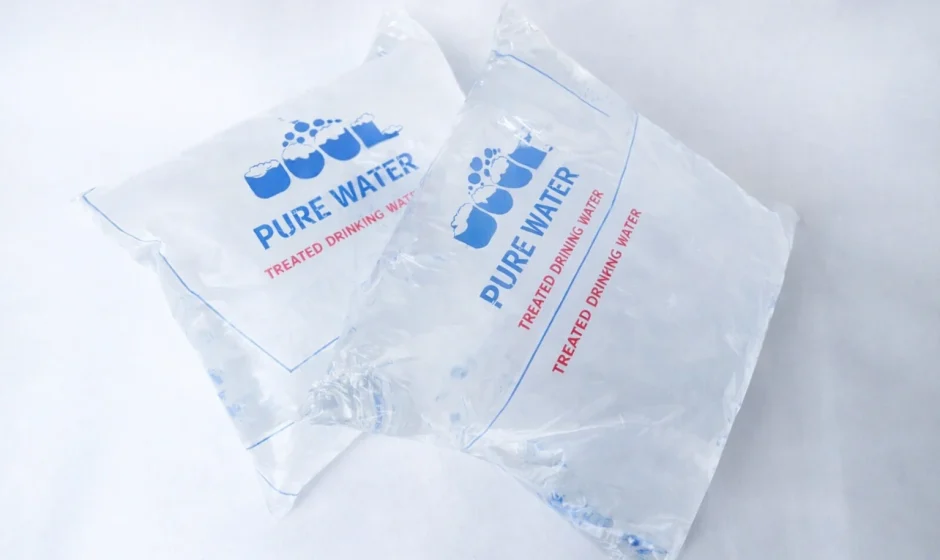
If you are new to Ghana, sachet water refers to small, sealed plastic bags of drinking water, commonly called “pure water.” Each sachet typically contains 500ml and is sold individually or in bags of 30. It is one of the most widely consumed sources of drinking water in the country, especially in areas where access to reliable tap water is limited.
What Changed and When
NASPAWAP’s announcement on April 2, 2026 set out a three-tier pricing structure for sachet water sold in Ghana. The directive is addressed to producers, distributors, and retailers across the country. The association explicitly urged compliance, stating that the adjustment is necessary to sustain production and ensure a continuous supply of safe drinking water to the public.
Notably, NASPAWAP President Magnus Nunoo confirmed on JoyNews’ The Pulse that the last formal price recommendation from the association was made approximately four years ago. The April 2026 revision is therefore not a routine annual adjustment – it reflects accumulated cost pressure that producers say they can no longer absorb.
The New Price Structure for Sachet Water in Ghana
The revised prices apply to a standard bag of 30 sachets of 500ml water. The three pricing points – factory, truck, and retail – reflect different stages in the distribution chain.
| Pricing Stage | GHS | USD (approx.) | GBP (approx.) | RMB (approx.) |
|---|---|---|---|---|
| Ex-Factory (per bag, 30 x 500ml sachets) | GH€8 | ~USD 0.54 | ~GBP 0.42 | ~RMB 3.90 |
| Ex-Truck (delivery price) | GH€10 | ~USD 0.67 | ~GBP 0.52 | ~RMB 4.87 |
| Maximum Retail Price | GH€15 | ~USD 1.00 | ~GBP 0.79 | ~RMB 7.30 |
Exchange rates are approximate, based on Bank of Ghana interbank mid-rates as of April 2026. Rates are subject to change. Always verify current rates at the Bank of Ghana.
The retail price of GH€15 per bag is the figure that directly affects households and businesses. That is the ceiling NASPAWAP has set – vendors who charge above this rate would be acting outside the association’s recommended structure.
Why Are Sachet Water Prices Rising?
The root cause is a global shortage of polymers – industrial plastic compounds used to manufacture the flexible sachets and bags. Supply has tightened significantly due to disruptions in international shipping, with the Iran conflict cited by NASPAWAP as a key factor worsening an already strained supply chain.
Packaging materials account for roughly 80% of total production costs for sachet water producers in Ghana, according to NASPAWAP President Nunoo. When polymer prices spike, the effect on producers is immediate and severe. Nunoo confirmed that suppliers announced a 20% hike in the cost of packaging materials, describing it as a significant jump that producers cannot absorb without passing it on to the market.
“Most major producers have very low stocks, and the ships are not coming,” Nunoo told JoyNews on April 2. That sentence captures the structural problem: it is not just that prices are rising, but that supply itself is constrained. If the shortage deepens, availability – not just affordability – could become the next issue.
Broader Cost Pressures on Sachet Water Producers
Polymer costs are the headline driver, but they are not the only pressure producers are navigating. Earlier in 2026, water tariffs increased by 15.92% and electricity costs rose by 9.86%. These utility increases compound the polymer problem – producers are paying more for the water they treat and more to run the equipment that treats it, before the packaging costs are even considered.
Together, these increases represent a sustained erosion of margins across the sachet water sector. NASPAWAP’s price adjustment is the industry’s formal response to that erosion. Whether retailers comply uniformly is a separate question – but the cost pressures behind the announcement are verifiable and material.
What the Sachet Water Price Increase Means for Consumers
Sachet water is not a discretionary purchase for most Ghanaian households. It is a daily necessity, particularly in urban areas where piped water access remains inconsistent. A price increase at this level therefore reaches across income brackets – a GH€15 retail ceiling per bag affects the household budget in a way that, say, a premium bottled water price change would not.
For businesses, the picture is more complex. Restaurants, chop bars, construction sites, schools, and offices that purchase sachet water in volume will see operating costs rise from April 6. Those costs will likely flow into pricing on other goods and services.
The broader economic context matters here. Ghana’s annual inflation rate fell sharply to 3.2% in March 2026 from 22.4% in March 2025, according to data consistent with Bank of Ghana reporting. That headline improvement has not insulated consumers from sector-specific shocks, and the sachet water increase is a clear example. Services inflation was already rising – to 7.2% in March 2026 from 3.7% in February – suggesting that the goods-sector disinflation visible in the headline figure does not capture the full consumer experience on the ground.
Separately, commentators have raised questions about whether NASPAWAP’s issuance of uniform recommended prices across all producers crosses into coordinated pricing territory under Ghana’s existing legal framework. Ghana currently has no comprehensive competition law. Only the petroleum downstream sector has explicit anti-cartelization provisions under the National Petroleum Authority Act. Whether the Ministry of Trade, Agribusiness and Industry engages formally with NASPAWAP on this point remains to be seen.
For now, the practical reality is straightforward: from April 6, 2026, Ghanaians should expect to pay up to GH€15 for a bag of sachet water, and that price reflects a genuine and documented shift in input costs – not an arbitrary decision by producers.
Sources
- MyJoyOnline: “Global polymer shortage triggers sachet water price hike in Ghana” (April 2, 2026)
- Graphic Online: “New sachet water prices announced: GH€8 ex-factory, GH€15 retail cap” (April 2026)
- GBC Ghana Online: “Price of sachet water to rise to GH€15 per bag from April 6” (April 2026)
- Bank of Ghana – Exchange Rate Reference
Compliance note: All money transfer services must be licensed by the Bank of Ghana.