
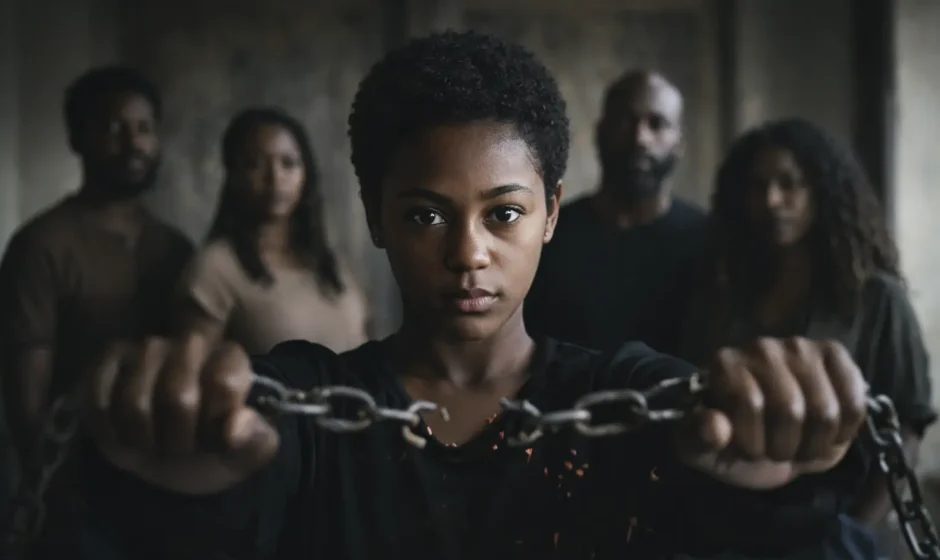

The UN just declared the slave trade the gravest crime against humanity. That is a historic shift in how the world officially recognizes one of the most defining events in African and Black history. It does not immediately change laws or force payments, but it raises the global pressure for reparations and accountability. For Ghana and the African diaspora, this moment signals something bigger: a move from remembering the past to actively negotiating its consequences.
If this moment made you think about history, identity, or returning to Africa, start here:
- Black Americans in Ghana: What Life Actually Looks Like Today
- Ghana Citizenship for the African Diaspora: Full Breakdown
- Right of Abode in Ghana: Live in Ghana Without Losing U.S. Citizenship
- Cost of Living in Ghana vs USA: Real Numbers (2026)
- Business Opportunities in Ghana for Black Americans
- Find Apartments in Ghana
What Just Happened at the United Nations
On March 25, 2026, the UN General Assembly voted to formally classify the transatlantic slave trade as the gravest crime against humanity. The resolution was introduced by Ghana and backed by a coalition of countries across Africa, the Caribbean, and the Global South.
The resolution recognizes that between roughly 12 and 15 million Africans were forcibly taken over centuries and that the consequences of that system still shape modern inequality, development gaps, and racial structures worldwide.
It also explicitly calls for a process of reparatory justice, including acknowledgment, policy change, and potential compensation.
How Countries Voted
| Vote Type | Outcome |
|---|---|
| In Favor | 123 countries |
| Opposed | United States, Israel, Argentina |
| Abstained | 52 countries, including the UK and EU member states |
The vote shows strong global support, but the opposition and abstentions highlight ongoing concerns about legal exposure and financial implications tied to reparations.
What the Resolution Actually Means
This resolution is not legally binding. It does not force any country to pay reparations or change policy immediately. That is a critical point often missed in coverage.
What it does instead is create a global political framework. By labeling the slave trade the gravest crime against humanity, the UN has elevated the issue above standard historical acknowledgment and placed it at the center of international policy discussions.
In practical terms, this gives countries, advocacy groups, and institutions a stronger foundation to push for structured negotiations around reparations and economic justice.
Reparations: What Comes Next
The resolution calls for reparatory justice, but it does not define exactly how that process will work. That gap is important.
Current discussions about reparations include several possible paths:
- Formal apologies from governments involved in the slave trade
- Return of looted cultural artifacts to African countries
- Financial compensation or development funding
- Policy reforms addressing systemic inequality
However, there is no agreed system, no global fund, and no enforcement mechanism. The resolution is the starting point, not the final outcome.
Why Ghana Is Leading This Movement
Ghana’s leadership in this effort is rooted in its long-standing role in Pan-Africanism and diaspora engagement.
Since independence in 1957, Ghana has positioned itself as a bridge between Africa and the diaspora. From Kwame Nkrumah’s early vision to modern initiatives like the Year of Return, the country has consistently framed itself as a place of reconnection.
This UN resolution builds on that strategy. It strengthens Ghana’s position not just culturally, but politically and economically, as a central hub for diaspora engagement, investment, and long-term return.
What Most Coverage Leaves Out
Most articles present this as a historic turning point, but several key realities are often overlooked.
First, the UN has already recognized slavery as a crime against humanity in earlier frameworks. This resolution escalates the language rather than creating a new legal category.
Second, there is no implementation roadmap. Questions about who pays, how much, and through what system remain unresolved.
Third, the economic dimension is rarely discussed. The transatlantic slave trade was one of the largest wealth transfers in history, and its effects still shape global inequality today.
Finally, this is part of a broader geopolitical shift. African nations are increasingly coordinating positions through the African Union to push for reparations and structural reforms in the global system.
What This Means for the African Diaspora
For people of African descent, especially Black Americans, this resolution strengthens the legitimacy of conversations around identity, return, and belonging.
It reinforces the idea that Africa is not only a historical origin point, but a place of opportunity and reconnection.
In Ghana, this could translate into increased migration, expanded citizenship pathways, and growing investment from the diaspora. While no immediate policy changes have been announced, the direction is clear.
Ghana is positioning itself at the center of a global shift that connects history, economics, and identity.
Sources
- Al Jazeera: UN passes resolution naming slave trade gravest crime (2026)
- The Guardian: UN votes slave trade gravest crime (2026)
- AFP/BSS: UN resolution on slave trade (2026)
Compliance note: All money transfer services must be licensed by the Bank of Ghana.