

Related Ghana guides:
The European Union and Ghana are preparing to sign a new defence partnership that could reshape security cooperation between Europe and West Africa.
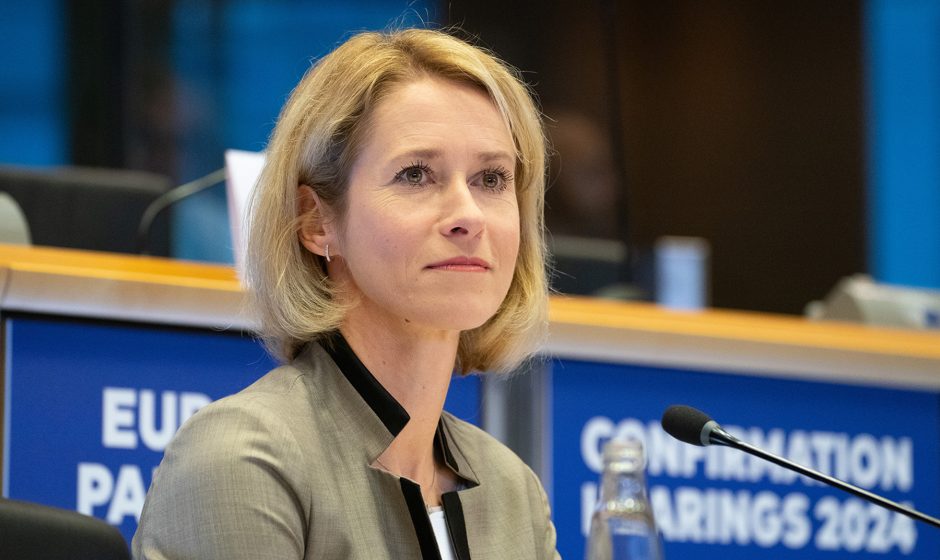
The announcement came from EU foreign policy chief Kaja Kallas, who confirmed that the European Union plans to sign defence agreements with Australia, Iceland, and Ghana as part of a broader expansion of global security partnerships.
If that sounds like routine diplomatic news, here is what it actually means: Ghana is about to become the first African country to enter into a formal defence cooperation framework with the European Union. That signals Ghana’s growing role in regional security and international diplomacy.
What the EU–Ghana Defence Partnership Is
The planned agreement is not a military alliance like NATO. Instead, it is a cooperation framework that allows the EU and Ghana to work together on shared security concerns.
These partnerships typically focus on collaboration in areas such as intelligence sharing, military training, joint exercises, and security coordination. They allow countries to strengthen cooperation without creating formal defense obligations.
According to the European Union, the goal is to build a network of security partners around the world as geopolitical risks increase. Many countries are seeking to diversify their international partnerships to respond to terrorism, piracy, and regional instability.
The EU already maintains similar defence partnerships with countries in Europe and Asia. Ghana will become the first African nation included in this framework.
Why Ghana Matters in Regional Security
Ghana has become one of the most strategically important countries in West Africa. The country is widely viewed as one of the region’s most stable democracies and plays an active role in regional security cooperation.
One major concern facing West Africa today is the spread of extremist violence from the Sahel region. Countries such as Mali, Burkina Faso, and Niger have experienced significant instability in recent years due to militant groups.
Ghana sits directly south of these conflict zones. Because of its geographic location, the country plays a key role in preventing terrorist groups from expanding toward the Gulf of Guinea.
Ghana is also a founding member of the Accra Initiative, a regional security partnership that includes Côte d’Ivoire, Benin, Togo, and several Sahel nations. The initiative focuses on intelligence sharing and joint security operations to stop terrorism before it reaches coastal West Africa.
Security Challenges in the Gulf of Guinea
Another reason the EU is strengthening ties with Ghana is maritime security. Ghana sits along the Gulf of Guinea, one of the world’s most important shipping routes.
The region has experienced several maritime security challenges in recent years, including piracy, illegal fishing, and trafficking operations.
Protecting shipping routes in the Gulf of Guinea is important not only for African countries but also for Europe and global trade. Strengthening cooperation with Ghana helps the EU support maritime monitoring, training programs, and coordinated security operations.
Improving security in the Gulf of Guinea also protects international supply chains, energy exports, and commercial shipping routes that pass through the region.
What the Partnership Could Include
Although the full details of the agreement have not yet been released, EU defence cooperation frameworks typically include several areas of collaboration.
These often include:
- Intelligence sharing and security coordination
- Military training programs
- Joint exercises and strategic planning
- Counter-terrorism cooperation
- Maritime security operations
These partnerships generally focus on coordination rather than direct military intervention. They allow both sides to exchange expertise and improve security preparedness.
Will Foreign Military Bases Be Established?
Some observers have raised questions about whether the defence partnership could lead to foreign military bases in Ghana.
However, Ghanaian officials have repeatedly emphasized that the country maintains a policy of not hosting permanent foreign military bases. The cooperation framework is expected to focus on training, information sharing, and security collaboration rather than permanent troop deployments.
This distinction is important. The partnership strengthens cooperation without changing Ghana’s sovereignty over its military or security institutions.
Why the European Union Is Expanding Global Security Partnerships
The defence agreement with Ghana is part of a broader shift in European security policy. In recent years, the European Union has increased cooperation with international partners as global security risks have grown.
Conflicts in Eastern Europe, instability in parts of Africa, and rising geopolitical competition have pushed the EU to build stronger relationships with countries outside its traditional alliances.
Expanding defence partnerships allows the EU to coordinate security responses, share intelligence, and support regional stability without requiring formal military alliances.
For Ghana, the partnership reinforces its reputation as a reliable regional partner and strengthens its role in international security cooperation.
What This Means for Ghana and West Africa
The upcoming EU–Ghana defence partnership highlights Ghana’s growing strategic importance in global security discussions.
The agreement could strengthen cooperation on counter-terrorism, maritime security, and regional stability across West Africa. It also reflects the European Union’s effort to deepen its relationships with trusted partners around the world.
As security threats evolve across multiple regions, partnerships like this may become an increasingly important part of international cooperation.
Sources
- Reuters: EU to sign defence partnerships with Australia, Iceland and Ghana (March 9, 2026)
- MyJoyOnline: EU to sign historic defence pact with Ghana (March 2026)
Compliance note: All money transfer services must be licensed by the Bank of Ghana.