

Ghana has announced a $1.2 billion infrastructure investment aimed at strengthening the country’s economy and improving essential public services. According to reporting by Yahoo Finance, the funding will support priority projects across transport energy, water, and sanitation as part of Ghana’s broader economic stabilization and growth strategy.
The investment reflects Ghana’s effort to modernize critical infrastructure while maintaining fiscal discipline. Government officials have framed the initiative as a long-term development move rather than short-term stimulus, with an emphasis on projects that improve productivity and attract private investment.
How Ghana plans to fund the infrastructure projects
The $1.2 billion package will be financed through a combination of domestic resources and development partner support. Ghana is working with multilateral institutions such as the World Bank and other lenders to structure financing in a way that supports growth without placing excessive short-term pressure on public finances.
Officials have emphasized careful project selection, cost controls, and oversight to ensure that infrastructure spending delivers measurable economic returns over time.
Key sectors receiving investment
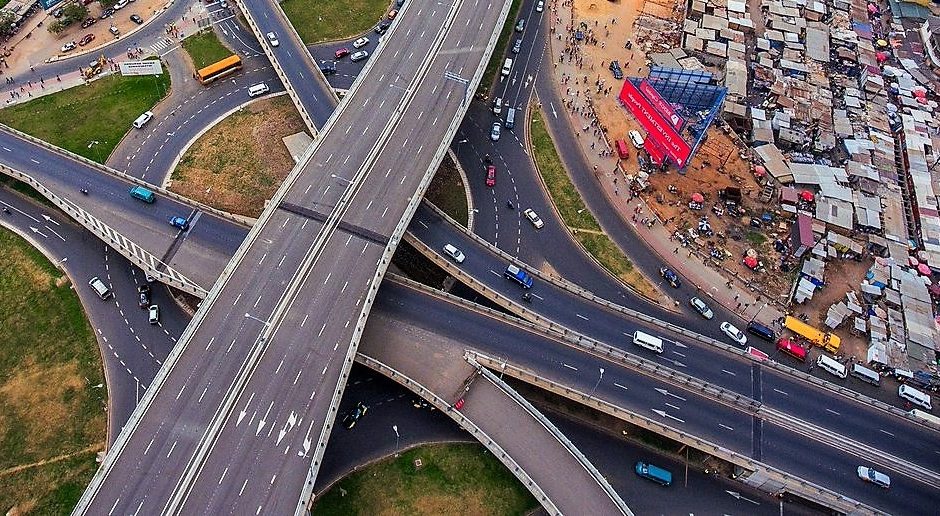
The infrastructure investment targets sectors that directly affect daily life and business activity. Transport projects will focus on road upgrades and logistics corridors to reduce travel time and operating costs. Energy investments aim to improve reliability for households and industry, while water and sanitation projects seek to expand access to clean water and improve public health outcomes.
Urban infrastructure is also a priority, particularly in fast-growing cities such as Accra and Kumasi, where population growth continues to strain existing systems.
Economic impact for Ghana
Large-scale infrastructure spending typically has a multiplier effect across the economy. Improved roads, utilities, and public services lower business costs, strengthen supply chains, and increase competitiveness. For Ghana, these investments also support macroeconomic stability by encouraging job creation and private sector participation.
Infrastructure quality is often a deciding factor for investors evaluating long-term opportunities, making this initiative significant beyond its immediate construction impact.
What this means for investors and people considering Ghana
For residents, investors, and members of the diaspora considering relocation, infrastructure quality directly affects quality of life. Reliable electricity, improved transportation, and access to clean water influence housing choices, business planning, and overall cost of living.
Ghana’s $1.2 billion commitment signals a continued focus on strengthening the fundamentals needed for sustainable growth. For investors and long-term residents, it reinforces confidence in Ghana’s development trajectory and institutional priorities.