


Ghana’s call for recognition
Ghana has renewed its international campaign to have the transatlantic slave trade crime against humanity formally recognized under global law. The call was made during a public address in Accra where Ghanaian leaders urged the international community to acknowledge the scale and brutality of the historic trade.
Government officials said recognizing the transatlantic slave trade crime against humanity would strengthen global efforts to address historical injustices and reinforce the need for historical truth. The initiative also aligns with broader conversations taking place within the African Union and the United Nations regarding historical accountability.
According to reporting from the Ghanaian Times, Ghana’s position emphasizes the importance of remembrance, justice, and recognition for millions of Africans who were forcibly transported across the Atlantic during centuries of slave trading.
Diaspora citizenship ceremony in Accra
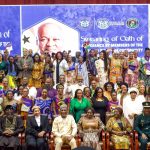
The announcement occurred during a citizenship ceremony held at the Accra International Conference Centre. Approximately 150 members of the African diaspora were granted Ghanaian citizenship during the event.
Officials described the ceremony as part of Ghana’s continuing effort to reconnect descendants of enslaved Africans with the continent. Many of the new citizens were individuals whose families trace their ancestry to people taken from West Africa during the transatlantic slave trade.
Ghana has increasingly positioned itself as a destination for members of the diaspora seeking cultural reconnection or long term relocation.
For readers interested in the citizenship process itself, see:
Related Ghana guides:
Historical scale of the transatlantic slave trade
Historians estimate that between 12 million and 12.5 million Africans were transported across the Atlantic between the fifteenth and nineteenth centuries.
Many more died during slave raids, forced marches to coastal trading posts, or during the Middle Passage across the Atlantic Ocean.
The trade reshaped global demographics and economies. It also devastated many African societies by removing large portions of the population and fueling conflict across parts of the continent.
Modern historical research now recognizes the transatlantic slave trade crime against humanity as one of the most destructive systems of forced migration in recorded history.
What recognition as a crime against humanity means
If the transatlantic slave trade crime against humanity were formally recognized in international law, it would place the historical system within the same legal category as other large scale abuses such as genocide or apartheid.
Crimes against humanity typically involve widespread or systematic attacks against civilian populations. The legal concept emerged after World War II and has since been applied to several major atrocities.
Recognition would not automatically create new legal cases. However, it could influence international discussions about historical responsibility, reparations programs, and educational initiatives.
Why Ghana continues to lead diaspora engagement
Ghana has taken a visible leadership role in reconnecting with the African diaspora.
Major initiatives include:
• The Year of Return in 2019
• Citizenship ceremonies for diaspora applicants
• Cultural heritage tourism at historic slave forts such as Cape Coast Castle and Elmina Castle
These programs have encouraged thousands of diaspora visitors to explore Ghana’s history and consider long term relocation or investment opportunities.
What this could mean for global policy
The proposal to classify the transatlantic slave trade crime against humanity may strengthen calls for global acknowledgement of the historical system and its consequences.
Possible outcomes discussed internationally include:
• greater historical recognition in global education systems
• expanded cultural restoration programs
• development partnerships addressing long term economic impacts
While the process of achieving international recognition could take years, Ghana’s leadership keeps the issue visible on the global diplomatic agenda.
Sources
All money transfer services must be licensed by the Bank of Ghana.