

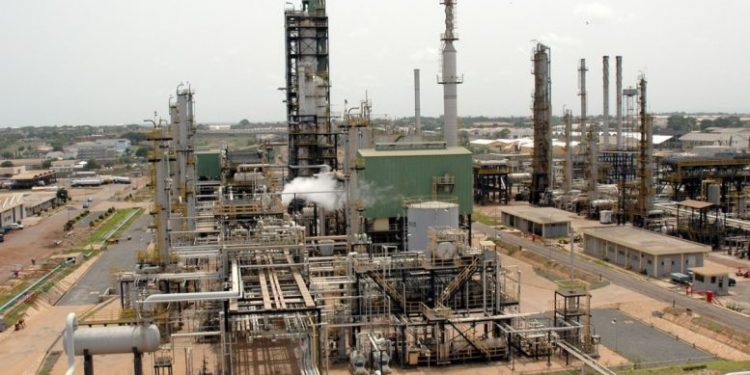

Ghana has restarted petroleum processing at the Tema Oil Refinery after an extended shutdown that left the country heavily dependent on imported refined fuel. The restart marks a significant development for Ghana’s energy sector, where domestic refining capacity has struggled for years due to financial pressure, aging infrastructure, and supply constraints.
With processing resuming, Ghana is signaling renewed intent to strengthen local energy production, reduce exposure to global fuel price volatility, and ease pressure on foreign exchange reserves used for fuel imports.
What Has Restarted at the Tema Oil Refinery
According to reporting by Energies Media, the refinery has resumed crude oil processing, enabling the production of key petroleum products within Ghana once again. While operations are not yet at full capacity, the restart represents a practical step forward after months of inactivity.
Even partial operations can help stabilize fuel supply planning and reduce reliance on imported finished products, which are often vulnerable to shipping delays and currency fluctuations.
Why the Refinery Has Faced Repeated Shutdowns
Tema Oil Refinery has experienced multiple shutdowns over the past decade. These interruptions stem largely from accumulated debt, maintenance backlogs, and difficulty securing financing for crude oil purchases. As a result, Ghana has relied heavily on imported refined fuel, increasing costs across the broader economy.
The current restart reflects ongoing restructuring efforts rather than a full resolution of these long-standing challenges.
Why This Restart Matters for Ghana
Domestic refining plays a strategic role in national energy security. When local refining capacity is offline, Ghana becomes more exposed to international price shocks and supply disruptions. Restarting the Tema Oil Refinery helps retain value within the local economy and supports long-term energy resilience.
The refinery also remains a key industrial asset for Tema and the Greater Accra region, supporting skilled employment, technical capacity, and related downstream industries.
What to Watch Going Forward
- Operational stability: Whether the refinery can sustain processing without further shutdowns.
- Crude supply agreements: Long-term supply arrangements will be critical for continuity.
- Financial restructuring: Addressing legacy debt remains central to the refinery’s future viability.
While the restart does not resolve all challenges facing the Tema Oil Refinery, it represents a meaningful step toward restoring Ghana’s domestic refining capacity and reducing long-term dependence on imported fuel.