

Loading...

Medical Care in Ghana: What Residents and Newcomers Should Know

Accessing medical care in Ghana can feel straightforward in some areas and confusing in others. The country has a mix of public hospitals, private clinics, specialist centers, pharmacies, and traditional health options. Understanding how these systems work together will help you make informed decisions about where to go, what to expect, and how much you may need to budget.

In major cities like Accra and Kumasi, you will find large public teaching hospitals as well as modern private facilities that serve both locals and expatriates. In smaller towns and rural areas, healthcare access may be more limited, with district hospitals and community health centers providing primary services. The quality of care can vary depending on location, equipment availability, and staffing.

This hub page breaks medical care in Ghana into practical categories. You will learn how public hospitals operate, what private clinics typically charge, how health insurance works, and when to seek specialist care. We also cover pharmacies, prescription practices, emergency response expectations, and common health considerations for visitors and long term residents.

If you are relocating, retiring, investing, or planning an extended stay, understanding medical care in Ghana is essential. The cards below provide clear introductions and direct links to detailed guides so you can navigate the healthcare system with confidence.

Ghana Hospitals Ranked by Locals

Hospitals in Ghana ranked by locals

See which public and private hospitals residents trust most, including major facilities in Accra and Kumasi, and what to expect for quality and wait times.

Pharmacy Landscape in Ghana
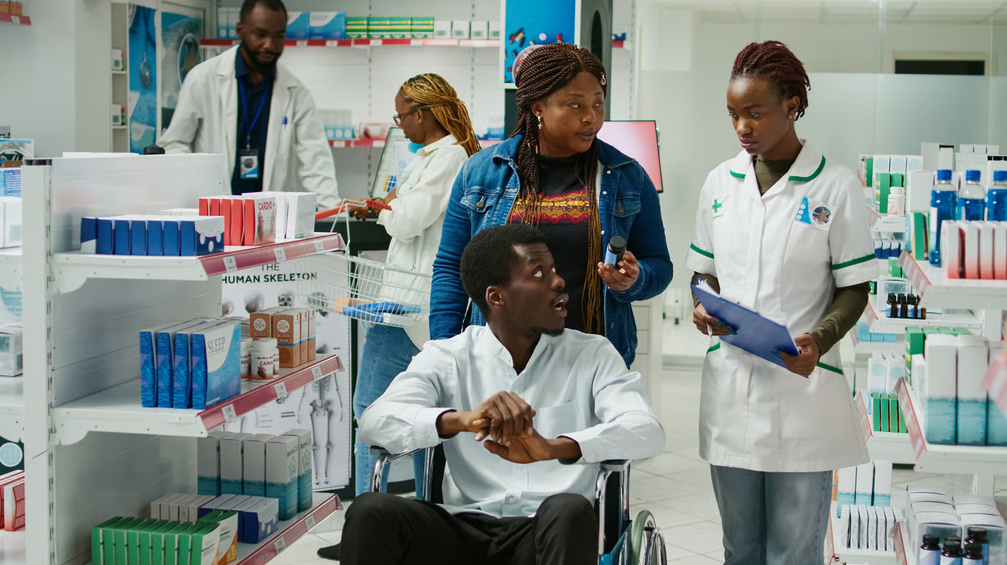
Pharmacies in Ghana

Learn how pharmacies operate in Ghana, when prescriptions are required, pricing expectations, and how to identify licensed and reputable providers.

Ozempic and GLP-1 Drugs in Ghana

Ozempic and GLP-1 drugs in Ghana

Understand availability, pricing, prescription requirements, and risks associated with GLP-1 medications such as Ozempic in Ghana.