

Calls are growing for investment in Ghana’s garment industry as policymakers and economists search for ways to create large numbers of manufacturing jobs. Supporters argue that clothing production could help Ghana diversify its economy, reduce youth unemployment, and rebuild a once thriving textile sector. However, the reality is more complex. Ghana’s garment industry faces both opportunity and serious structural challenges that have limited its growth for decades.
The debate gained renewed attention after industry experts urged the government to support garment manufacturing as part of a broader industrial strategy. Advocates believe the sector could generate thousands of jobs if the right policies and investments are implemented.
Ghana’s Textile Industry Once Employed Thousands
Before the 1990s, Ghana had one of the most active textile industries in West Africa. Major textile mills operated in cities such as Accra, Tema, and Kumasi. At its peak, the sector employed tens of thousands of workers across spinning, weaving, dyeing, and garment manufacturing.
However, the industry began to decline due to a combination of trade liberalization, smuggling of cheaper textiles, and rising production costs. By the early 2000s, many factories had either shut down or drastically reduced their operations.
Today, only a handful of large textile manufacturers remain active in Ghana, and most clothing sold in the country is imported.
Why Garment Manufacturing Can Create Jobs Quickly
Garment production is widely considered one of the most labor intensive industries in manufacturing. Unlike heavy industries such as steel or petrochemicals, clothing factories require relatively lower capital investment but employ large numbers of workers.
This is why countries such as Bangladesh and Vietnam built massive export industries around garment manufacturing. These sectors employ millions of workers and generate billions of dollars in exports each year.
Supporters of expanding Ghana’s garment sector believe similar job creation could occur if local production were scaled up.
| Country | Garment Export Value | Estimated Industry Jobs |
|---|---|---|
| Bangladesh | $40+ billion annually | Over 4 million |
| Vietnam | $30+ billion annually | More than 2.5 million |
| Ghana | Under $50 million | Tens of thousands |
The gap between Ghana and the leading garment exporters illustrates both the opportunity and the scale of investment required to compete globally.
How Ghana’s 24-Hour Economy Could Boost the Textile Industry
Ghana’s proposed 24-hour economy strategy could significantly strengthen the country’s textile and garment industry. By encouraging businesses to operate in multiple shifts throughout the day and night, the policy aims to increase production capacity, create jobs, and improve Ghana’s competitiveness in global manufacturing markets.
For textile manufacturers, the biggest advantage is higher output without building new factories. Many sewing, weaving, and garment assembly facilities currently operate only during daytime hours. A structured three-shift system could allow machines and facilities to run close to 24 hours a day, dramatically increasing production volumes while spreading fixed costs such as rent and equipment across more output.
This kind of expanded production capacity is important because the global apparel market operates on tight delivery schedules. If Ghanaian manufacturers can produce garments faster and at larger scale, they become more attractive to international buyers who are looking for reliable suppliers outside of Asia.
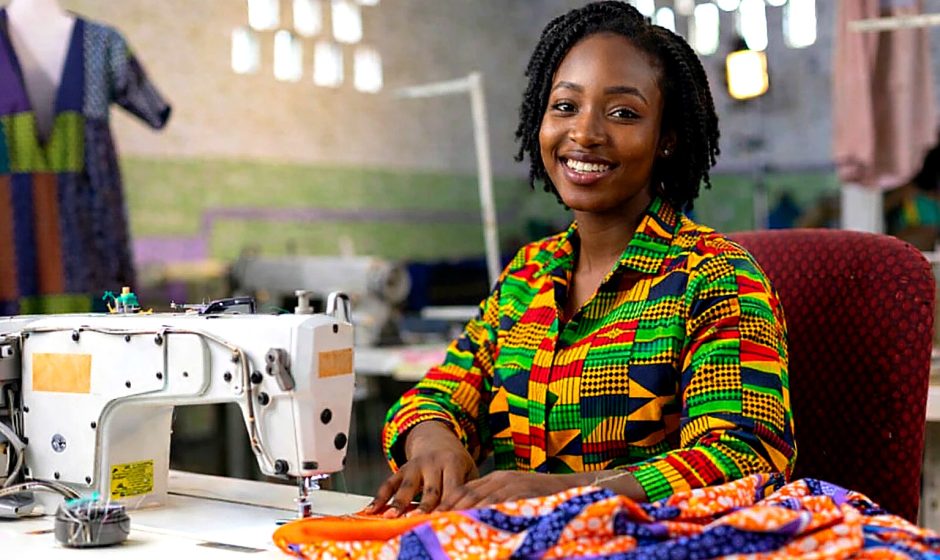
A 24-hour manufacturing cycle could also support local job creation. Textile factories require workers across many roles including sewing machine operators, quality control inspectors, fabric cutters, logistics staff, and packaging teams. Running additional shifts would likely increase demand for skilled and semi-skilled workers across the supply chain.
Another potential benefit is improved integration with export markets. Ghana has been actively working to expand its manufacturing and export capacity. Continuous production cycles would help textile companies meet larger orders from overseas buyers and respond more quickly to demand from international retailers.
Infrastructure improvements associated with the 24-hour economy could also help the industry. Reliable electricity, transportation logistics, and security are critical for factories that operate overnight. Investments in these areas would not only support textile manufacturing but also strengthen Ghana’s broader industrial sector.
You can read a full breakdown of the policy and how it works in this guide:
Ghana 24-Hour Economy Authority Law Explained
If implemented effectively, the 24-hour economy could become a major driver of Ghana’s industrial growth, helping the textile and garment sector scale production, create employment, and compete more effectively in global apparel supply chains.
Major Challenges Facing Ghana’s Garment Industry
Despite the optimism surrounding the sector, several structural barriers continue to limit growth.
Cheap Imported Clothing
Ghana imports large volumes of second hand clothing and low cost textiles from international markets. These imports are significantly cheaper than locally produced garments, making it difficult for domestic factories to compete.
High Production Costs
Electricity costs in Ghana are higher than in many competing manufacturing countries. Garment factories also face expenses related to transportation, logistics, and imported raw materials.
Limited Textile Supply Chains
Many successful garment producing countries operate integrated supply chains that include spinning mills, textile production, and garment assembly. Ghana currently imports much of its fabric, which raises production costs and reduces competitiveness.
Infrastructure and Financing
Access to financing remains difficult for many manufacturers. Industrial zones, modern equipment, and large scale garment factories require capital investment that has historically been limited in the sector.
Trade Programs Could Support Export Growth
Despite these challenges, Ghana has several advantages that could support garment exports.
One key opportunity is the African Growth and Opportunity Act (AGOA), a trade program that allows certain African exports to enter the United States duty free. Ghanaian clothing manufacturers can use this program to access one of the largest consumer markets in the world.
Regional trade through the Economic Community of West African States also creates a potential market of more than 400 million consumers. If Ghana strengthens its textile production capacity, the garment sector could expand exports throughout West Africa.
What Government Policy Could Change
Experts argue that rebuilding Ghana’s garment industry will require targeted government support. Several policy measures are often suggested by economists and industry leaders.
- Investment in industrial parks and manufacturing zones
- Support for local cotton and textile production
- Skills training programs for garment workers
- Access to financing for small and medium manufacturers
- Policies to reduce illegal textile imports
If implemented effectively, these policies could help rebuild the domestic textile supply chain and attract new investment into the sector.
Can Ghana Rebuild Its Textile and Garment Sector?
Rebuilding Ghana’s garment industry will not happen overnight. Countries that dominate the global clothing market developed their industries over decades with large investments in infrastructure, training, and export promotion.
However, the sector remains one of the few manufacturing industries capable of creating jobs quickly and at scale. With the right policy framework, Ghana could revive parts of its textile and garment ecosystem and strengthen its position within regional and global apparel markets.
For policymakers seeking solutions to unemployment and industrial development, garment manufacturing remains a sector worth serious consideration.
Related Ghana guides:
Compliance Notice: All money transfer services must be licensed by the Bank of Ghana.