

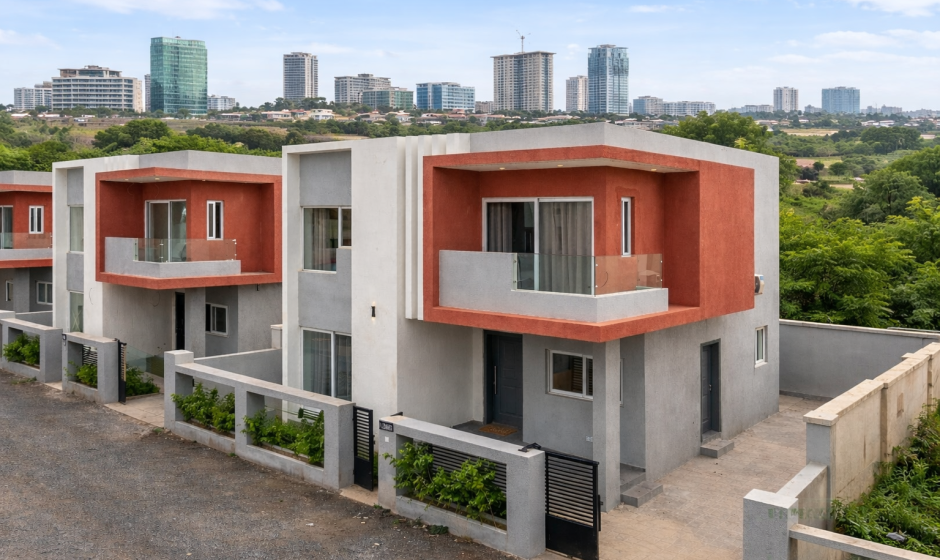

Interest in buying property in Ghana from abroad has surged in recent years. Diaspora Ghanaians and international investors are increasingly looking to Accra’s real estate market as a long-term investment opportunity. Rental yields in parts of Accra are often higher than comparable properties in many Western cities, particularly in high-demand neighborhoods near Kotoka International Airport.
However, purchasing real estate remotely raises practical questions. How do you verify land ownership without being in Ghana? What are the legal limits for foreign buyers? And how do you manage a property thousands of miles away?
The good news is that Ghana already has legal, financial, and management systems that make remote property ownership possible. Investors complete these transactions every year. What matters most is following a structured checklist and working with the right professionals.
Related article: Buying land as a foreigner in Ghana.
Step 1: Understand Your Legal Standing Before Buying Property in Ghana
Your citizenship status determines what type of property tenure you can hold. Ghana’s land ownership rules are defined primarily by the 1992 Constitution of Ghana.
Under Article 266 of the Constitution, foreigners cannot own freehold land in Ghana. Instead, non-citizens are limited to leasehold interests.
| Buyer Type | Maximum Leasehold Period | Notes |
|---|---|---|
| Ghanaian citizens | Up to 99 years | Most residential land is granted on long leaseholds |
| Foreign nationals | 50 years | Renewable but subject to negotiation |
| Right of Abode holders | 50 years | Right of Abode does not grant full property rights |
This structure does not prevent foreigners from investing in Ghana’s property market. It simply means the legal tenure differs from freehold ownership common in the United States or United Kingdom.
Step 2: Hire a Qualified Property Lawyer in Ghana
If you plan on buying property in Ghana from abroad, hiring a lawyer is the most important step. Never send funds to a seller or developer before legal verification.
A Ghanaian property lawyer typically performs three critical tasks:
- Verifies land title at the Lands Commission
- Reviews purchase agreements and indentures
- Executes documents through power of attorney
The Lands Commission is Ghana’s official land registry. Title searches confirm whether a property has disputes, encumbrances, or overlapping claims.
Land disputes remain one of the biggest risks in Ghana’s real estate market. Proper legal due diligence dramatically reduces the chance of problems later.
Step 3: Know the True Cost of Buying Property in Ghana
The advertised purchase price is not the total cost of acquisition. Buyers should plan for additional legal and administrative expenses.
| Cost Category | Typical Range | Purpose |
|---|---|---|
| Legal Fees | 1% – 3% | Contract review and title verification |
| Stamp Duty | 0.25% – 1% | Government tax on property transfer |
| Lands Commission Registration | Variable | Registration of ownership documents |
| Real Estate Agent Commission | 2% – 5% | If an agent is involved in the transaction |
In practice, the total acquisition cost often falls between 5% and 10% of the purchase price.
Step 4: Choose Property With Professional Management
Buying property is only the first step. Managing it remotely is the bigger challenge.
Many modern apartment developments in Accra offer integrated property management services. These programs typically handle:
- Tenant sourcing
- Rent collection
- Maintenance
- Guest management for short-term rentals
In prime neighborhoods such as Airport Residential Area, East Legon, and Cantonments, professionally managed apartments often maintain higher occupancy rates than self-managed properties.
This management structure allows diaspora investors to earn rental income without living in Ghana.
Step 5: Understand Rental Taxes in Ghana
Rental income generated in Ghana is subject to withholding tax administered by the Ghana Revenue Authority.
| Tax Type | Typical Rate | Notes |
|---|---|---|
| Residential rent tax | 8% | Applied to gross rental income |
| Non-resident income | May vary | Depends on residency status and agreements |
Many landlords in Accra also price leases in US dollars. This protects rental income from fluctuations in the Ghanaian cedi.
Quick Checklist for Buying Property in Ghana From Abroad
Before purchasing a property remotely, make sure the following steps are completed:
- Confirm citizenship status and leasehold eligibility
- Hire a qualified Ghanaian property lawyer
- Verify title through the Lands Commission
- Budget an additional 5% to 10% for acquisition costs
- Select a development with professional management
- Understand Ghana’s rental tax obligations
- Ensure all documents are registered legally
Following this checklist significantly reduces the risks associated with remote property ownership.
Related Ghana guides:
If you need personalized legal assistance for buying property in Ghana, consider contacting a qualified Ghanaian lawyer using the form below.
Sources
- MyJoyOnline: Diaspora Investors Checklist for Buying Property in Accra
- Ghana Lands Commission
- Ghana Revenue Authority
- 1992 Constitution of Ghana, Article 266
Compliance note: All money transfer services must be licensed by the Bank of Ghana.